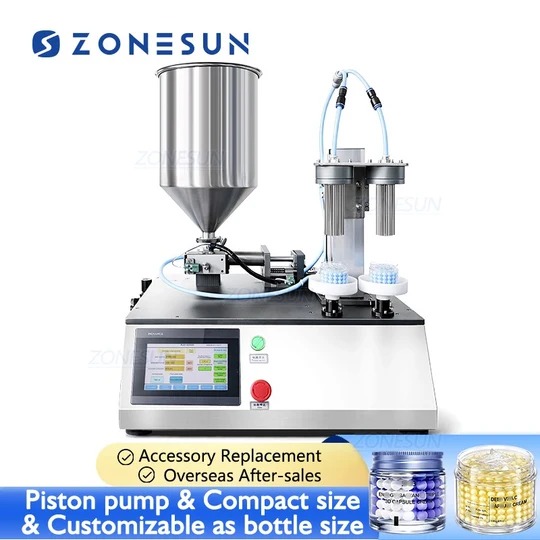
Every day, we interact with dozens of packaged products without a second thought, squeezing ketchup onto burgers, pouring laundry detergent into washing machines, dispensing hand sanitizer into our palms, and applying sunscreen before heading outdoors, yet the remarkable journey these substances take from massive industrial vats to the convenient containers in our homes is a story of engineering brilliance that remains largely untold. The unsung hero of this daily ritual is a piece of equipment that operates with clockwork precision in factories across the planet, transforming bulk materials into the neatly packaged goods that populate supermarket shelves, pharmacy aisles, and online shopping carts with remarkable consistency and efficiency. This apparatus is the filling machine, a marvel of mechanical and electronic engineering that has become so essential to modern manufacturing that its absence would bring much of the global economy to a standstill, affecting everything from food production to pharmaceutical manufacturing to the automotive industry. The evolution of this equipment from rudimentary hand-operated devices to the sophisticated, data-driven systems of today mirrors the broader trajectory of industrial progress, and understanding its capabilities, challenges, and future directions provides a deeper appreciation for the complex infrastructure that supports our convenient, modern lifestyles. The filling machine may operate behind the scenes, hidden from the view of consumers, but its impact on our daily lives is profound and far-reaching, touching virtually every product we use and consume.
Conquering the Unique Demands of Every Product Category
The sheer diversity of products that must be packaged using a filling machine is truly astounding, encompassing everything from the lightest, most volatile solvents and the thinnest, most watery beverages to the thickest, most stubborn adhesives and the heaviest, most abrasive industrial compounds, and each of these categories presents its own unique set of challenges that the equipment must overcome. The viscosity of the product is the primary factor that determines the design of the filling system, because a material that flows readily at room temperature requires very different handling than one that must be heated to become pourable or one that is so thick it must be pushed through the filling nozzles with considerable force. Products that are shear-sensitive, meaning their structure can be damaged by excessive mechanical agitation, demand gentle handling techniques that minimize stress on the material during the filling process, a particular concern for food items like yogurt or salad dressing that can break down and separate if handled too roughly. Conversely, products that are abrasive, such as certain industrial coatings or ceramic slurries, can cause rapid wear on filling components, requiring the use of hardened materials and specialized designs that extend the service life of the equipment. The presence of volatile components, such as solvents or essential oils, introduces additional considerations, because these substances can evaporate during filling, changing the product’s composition and potentially creating hazardous fumes that must be safely managed. This extraordinary diversity of requirements has driven the development of an equally diverse array of filling technologies, from simple gravity-fed systems and positive displacement pumps to advanced mass flow meters and sophisticated servo-driven filling heads, each designed to meet the specific needs of a particular product category with maximum efficiency and reliability.
The Financial Impact of Filling Accuracy on Business Performance
In the high-stakes world of manufacturing, where profit margins are often measured in pennies and competition is fierce, the accuracy of the filling machine has a direct and substantial impact on a company’s financial health, because every gram of product that is overfilled represents lost revenue, while every gram that is underfilled risks alienating customers and attracting regulatory scrutiny. The cumulative effect of even minor inaccuracies can be staggering, as a food producer filling millions of units per year could easily lose hundreds of thousands of dollars to product giveaway or, conversely, face costly recalls and reputational damage from persistent underfilling. Modern filling systems address this challenge through the integration of sophisticated weighing technologies, such as load cells and checkweighers, that provide continuous feedback on fill weights and allow the system to make automatic adjustments to maintain optimal accuracy throughout the production run. These systems are capable of detecting variations measured in fractions of a gram and can compensate for a wide range of factors that could affect fill weight, including changes in product temperature, variations in container weight, and subtle shifts in the product’s density or viscosity over time. The financial benefits of this precision extend beyond the direct savings from reduced product giveaway, because accurate filling also reduces waste, minimizes the need for rework, and enhances the overall efficiency of the production line, all of which contribute to improved profitability and competitiveness. By investing in high-quality filling equipment and implementing rigorous quality control procedures, manufacturers can protect their bottom line while ensuring that their customers receive the full value they expect, a combination that is essential for long-term success in today’s demanding marketplace.
The Immutable Laws of Hygiene in Food and Pharmaceutical Production
In industries where product purity is not just a marketing claim but a legal and ethical imperative, the filling machine serves as the critical barrier between sterile product and the external environment, ensuring that the food we eat, the medicines we take, and the cosmetics we apply are free from harmful contaminants that could cause illness or injury. The design and operation of filling equipment in these regulated sectors is governed by some of the most stringent standards in the industrial world, with requirements that dictate everything from the materials used in construction to the cleaning and sanitization procedures that must be followed with religious precision. Stainless steel is the material of choice for product contact surfaces, prized for its corrosion resistance, smooth finish, and ease of cleaning, while specialized seals and gaskets are selected for their compatibility with the specific products being filled and their ability to withstand the harsh chemicals used in sanitization. The filling machine is often integrated into a broader hygienic environment, such as a cleanroom or a controlled access area, where air quality, temperature, and humidity are carefully regulated to minimize the risk of contamination from airborne particles or microorganisms. Many modern systems incorporate automated cleaning and sterilization capabilities that allow the entire filling path to be sanitized without disassembly, reducing the risk of human error and ensuring that every batch is produced under the highest possible standards of hygiene. The validation and qualification processes that these machines undergo before they are placed into service are exhaustive, designed to demonstrate that the equipment can consistently produce safe, pure products under the most demanding conditions, providing manufacturers and consumers alike with the confidence that the final product is exactly what it claims to be.
The Digital Transformation Reshaping Industrial Filling Operations
The relentless march of digital technology is transforming every aspect of industrial manufacturing, and the filling machine is at the forefront of this revolution, evolving from a relatively simple mechanical device into a sophisticated, data-generating powerhouse that is fully integrated into the broader manufacturing ecosystem. Today’s advanced filling systems are equipped with an array of sensors and monitoring devices that continuously track performance parameters such as fill weight, cycle time, pressure, temperature, and energy consumption, generating a constant stream of data that can be analyzed to optimize production and identify potential issues before they cause downtime. This connectivity enables the implementation of predictive maintenance strategies, where the filling machine itself can alert maintenance teams to impending component failures, allowing for repairs to be scheduled during planned downtime rather than suffering unexpected breakdowns that can halt production for hours or even days. The integration of artificial intelligence and machine learning is taking this capability even further, enabling the system to learn from historical data and continuously refine its operating parameters to achieve ever-greater levels of efficiency and accuracy. The data collected from the filling line can also be integrated with other systems throughout the organization, from supply chain management and inventory control to quality assurance and customer relationship management, creating a holistic view of the entire manufacturing and distribution process. This digital transformation is not just about improving efficiency; it is about fundamentally reimagining the way products are made, delivered, and consumed, and the filling machine is playing a central role in this exciting and transformative journey.
Building a Sustainable Future Through Smarter Filling Solutions
As the global community becomes increasingly aware of the environmental challenges facing our planet, manufacturers across all industries are under growing pressure to reduce their ecological footprint, and the filling machine is emerging as a powerful tool in the fight for sustainability through innovations that minimize waste, conserve resources, and support the transition to more circular economic models. The precision of modern filling systems directly contributes to sustainability by reducing product waste, because accurate fills mean less product is lost to spillage, overfill, or rejections, a particularly important consideration given the significant environmental cost associated with producing many industrial and consumer goods. Energy efficiency is another key focus, with modern filling equipment incorporating variable-speed drives, optimized pneumatic systems, and intelligent power management features that significantly reduce electricity consumption compared to older, less efficient designs. The ability of advanced filling systems to handle a wider range of packaging materials, including recycled plastics, biodegradable polymers, and lightweight alternatives that use less material, supports the industry’s shift toward more environmentally responsible packaging solutions that reduce waste and conserve resources. Some manufacturers are exploring the use of refillable and reusable packaging systems, where consumers purchase a primary container once and then buy refills in minimal, eco-friendly packaging, a model that requires filling equipment capable of handling both the initial fill and the subsequent refill operations with equal efficiency. By enabling these sustainability initiatives, the filling machine is helping manufacturers meet their environmental responsibilities while also reducing costs and improving their competitive position, proving that good business and good stewardship can go hand in hand.
