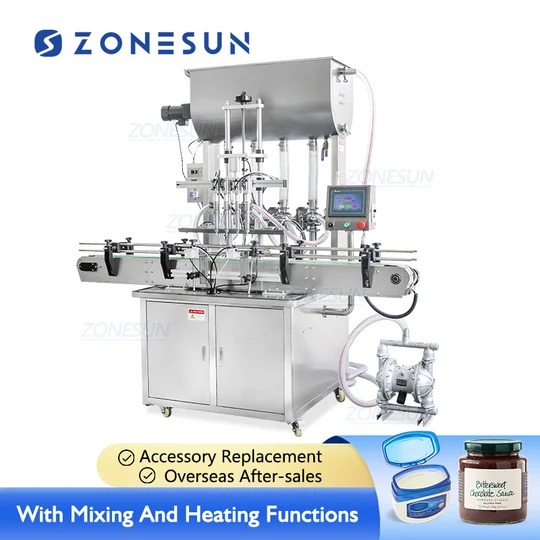
Walking down the brightly lit aisles of any beauty store, you are immediately surrounded by a symphony of colors, shapes, and promises, each bottle and jar whispering tales of rejuvenation, radiance, and transformation, yet rarely do we stop to ponder the extraordinary journey these products have undertaken before they land gracefully in our shopping baskets. The cosmetic industry operates on a scale that is almost unimaginable, churning out millions of units daily to satisfy the insatiable global appetite for skincare, makeup, and personal care items, and behind every single one of those perfectly sealed containers lies a story of technological brilliance and relentless quality assurance. While the marketing campaigns focus on the exotic ingredients or the groundbreaking scientific discoveries that give these products their appeal, the unsung reality is that the true star of the manufacturing floor is often the machinery responsible for getting those precious formulas into their final packaging with impeccable accuracy. Without this critical piece of equipment, the entire supply chain would grind to a halt, and the dream of delivering consistent, safe, and beautiful products to consumers worldwide would remain just that, a dream, because human hands simply cannot replicate the speed, precision, and hygiene that modern production demands, which is why the cosmetic filling machine has become the backbone of the entire beauty manufacturing ecosystem.
Understanding the Complexity of Modern Filling Operations
To truly appreciate the sophistication of contemporary production lines, one must first understand the immense diversity of products that a single cosmetic filling machine might be required to handle on any given day, ranging from free-flowing micellar waters and alcohol-based perfumes to thick, sticky mud masks and heavy, buttery body butters that cling stubbornly to any surface they touch. Each of these formulations possesses unique physical and chemical properties that demand specific handling techniques, because filling a thin liquid requires a completely different approach than filling a viscous cream, and the machine must be able to adapt seamlessly to these variations without compromising speed or accuracy. The engineering challenges are staggering, as the equipment must maintain sterile conditions while also managing factors like temperature control, because some products are heat-sensitive and can degrade if exposed to elevated temperatures for even a short period, while others need to be kept warm to maintain their fluidity and prevent solidification during the filling process. Furthermore, the packaging itself adds another layer of complexity, since the machine must accommodate an endless array of container shapes and sizes, from tiny sample vials and sleek tubes to bulky jars and complex airless pump bottles, each requiring a specific nozzle design and filling mechanism to ensure the product is deposited cleanly without dripping, spilling, or creating messy residues that would ruin the aesthetic appeal of the finished item. This remarkable adaptability is achieved through sophisticated engineering and computer-controlled systems that allow operators to quickly switch between different product runs with minimal downtime, a feature that is absolutely essential in an industry characterized by rapid trend cycles and constant product innovation.
The Unseen Battle Against Contamination and Waste
One of the most critical, yet least visible, challenges faced by beauty manufacturers is the constant battle against contamination, a threat that can emerge from countless sources including airborne particles, residual product from previous batches, or even the tiniest imperfections in the packaging materials themselves, and it is here that the cosmetic filling machine proves its indispensable value through advanced design features and rigorous operational protocols. The modern filling line is a fortress of hygiene, with equipment constructed from high-grade stainless steel that resists corrosion and is easy to sanitize, sealed filling chambers that prevent external contaminants from entering the product stream, and automated cleaning cycles that use a combination of hot water, steam, and specialized detergents to eliminate every trace of previous formulations before a new production run begins. This meticulous attention to cleanliness is not merely a matter of good manufacturing practice; it is a legal and ethical obligation, because a single contaminated batch can lead to serious health consequences for consumers, including skin irritations, infections, or allergic reactions, which in turn can trigger costly product recalls, lawsuits, and irreparable damage to a brand’s hard-won reputation. Beyond the hygiene aspect, there is also the economic imperative of minimizing waste, because product formulations are expensive to develop and produce, and every drop that is spilled, overfilled, or lost to equipment malfunctions represents lost revenue and diminished profitability for the manufacturer. The precision of the cosmetic filling machine addresses this challenge head-on by delivering exact volumes with remarkable consistency, thereby reducing product giveaway and ensuring that the maximum possible amount of the finished product reaches the consumer, which is a win-win situation for both the business and the environment, as it reduces the overall resource consumption associated with each unit sold.
How Automation is Reshaping the Beauty Manufacturing Landscape
The relentless march of automation has touched every corner of modern industry, and the beauty sector is no exception, with the cosmetic filling machine evolving from a simple mechanical device into a sophisticated, data-driven powerhouse that integrates seamlessly with other manufacturing systems to create a fully synchronized production environment. Today’s cutting-edge equipment is equipped with an array of sensors and monitoring devices that continuously track critical parameters such as fill weight, nozzle pressure, container positioning, and sealing integrity, generating a constant stream of real-time data that allows operators to detect and correct even the slightest deviations before they can escalate into major problems. This level of connectivity enables manufacturers to implement predictive maintenance strategies, where the machine itself alerts the team when components are showing signs of wear and tear, allowing for scheduled repairs during planned downtime rather than experiencing unexpected breakdowns that can halt production for hours or even days. The benefits of this technological advancement extend far beyond mere efficiency, as the data collected from the filling line can be analyzed to identify trends, optimize production schedules, and even improve product formulations by revealing how different viscosities or temperatures affect the filling process. For smaller, emerging brands, the availability of more affordable, compact, and user-friendly filling equipment has democratized access to professional-grade manufacturing, enabling them to compete with established giants by producing small-batch, artisanal products that maintain the same quality standards as mass-market offerings, a development that has enriched the beauty landscape with unprecedented diversity and creativity.
The Human Element Behind the Machinery
Despite the overwhelming technological sophistication of modern equipment, it is essential to recognize that the cosmetic filling machine is ultimately a tool that depends on the skill, knowledge, and dedication of the people who operate and maintain it, because even the most advanced machinery is only as good as the human expertise guiding its use. Skilled technicians and production managers bring years of experience and intuition to the manufacturing floor, understanding the subtle nuances of each product formulation and knowing exactly how to adjust machine settings to achieve the perfect balance between speed and quality for every single run. These professionals undergo extensive training to master the complexities of the equipment, learning not only the mechanical and software aspects but also developing a deep appreciation for the chemistry and physics that govern the behavior of cosmetic formulations during the filling process. Their vigilance and attention to detail are the final line of defense against defects, as they conduct regular quality checks, inspect samples, and make real-time adjustments that ensure every jar, bottle, or tube that rolls off the line meets the exacting standards that consumers have come to expect. The relationship between the machine and its operator is one of partnership, a delicate dance where technology amplifies human capability while human judgment provides the flexibility and adaptability that pure automation cannot replicate, and it is this synergy that ultimately delivers the flawless products we use and love every single day.
Embracing Sustainability Through Smarter Filling Solutions
As the global conversation around environmental responsibility grows louder and more urgent, the beauty industry is under increasing pressure to reduce its ecological footprint, and the cosmetic filling machine is emerging as a key player in this sustainability revolution through innovations that minimize waste, energy consumption, and material usage. Modern filling systems are designed with energy-efficient motors, optimized pneumatic systems, and intelligent control algorithms that reduce power consumption without sacrificing performance, contributing to lower carbon emissions and reduced operating costs for manufacturers. Additionally, the ability to fill containers with exceptional precision means that less product is wasted during the production process, which is particularly significant given the high environmental cost associated with sourcing and manufacturing cosmetic ingredients, many of which are derived from rare or delicate natural resources. The machinery is also being adapted to handle more sustainable packaging options, such as containers made from recycled materials, lightweight designs that use less plastic, or refillable systems that encourage consumers to reuse their primary packaging rather than discarding it after a single use. This alignment between technological advancement and environmental stewardship represents a powerful opportunity for the industry to demonstrate its commitment to a more sustainable future, proving that profitability and responsibility are not mutually exclusive but can instead work hand in hand to create better outcomes for everyone involved. The journey of a beauty product from raw ingredients to your vanity table is a remarkable story of science, engineering, and human dedication, and at its heart, the humble yet extraordinary cosmetic filling machine continues to play a starring role, quietly ensuring that every drop of that precious liquid delivers the promise of beauty, quality, and care that we all deserve.
