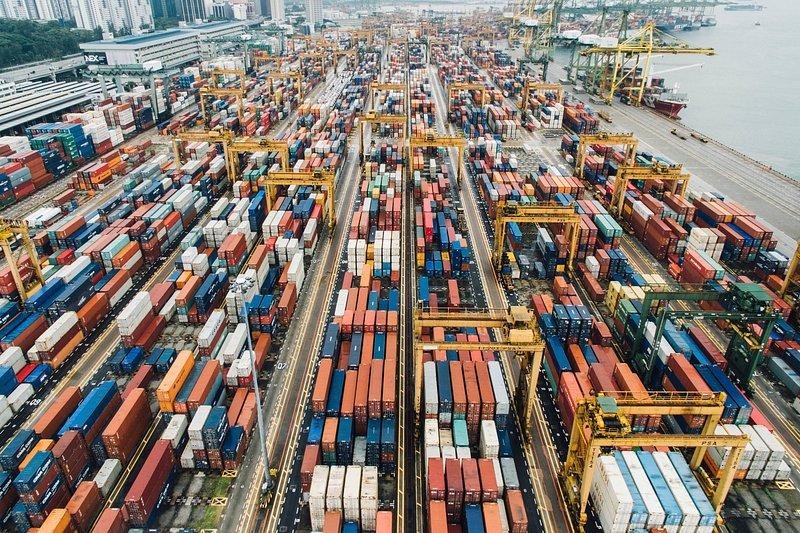
Freight transportation is no longer a standalone function within the supply chain. It has become a strategic component that directly influences cost efficiency, delivery reliability, and overall business performance. As global trade patterns evolve and supply chains become more interconnected, logistics providers are reassessing traditional approaches to transportation and distribution.
This shift is particularly significant in sectors such as heavy haul and infrastructure transport, where complexity and scale require a high level of coordination. Companies must balance efficiency with flexibility, ensuring that their logistics strategies can adapt to changing conditions without compromising performance.
The Need for Strategic Alignment in Logistics
Modern supply chains demand a higher degree of alignment between transportation, procurement, and distribution. Freight operations must be integrated with broader business strategies to ensure that goods move efficiently from origin to destination. This requires a comprehensive understanding of how each component of the supply chain interacts.
Insights into this evolving perspective can be seen in discussions like rethinking global logistics strategies, which emphasize the importance of adaptability and resilience. These concepts highlight the need for logistics providers to move beyond traditional models and embrace more dynamic approaches.
For freight operators, this means adopting strategies that can accommodate variability while maintaining consistent service levels. Flexibility in routing, scheduling, and capacity management becomes essential in achieving this balance.
Freight Transportation in a Decentralized Supply Chain
Supply chains are becoming increasingly decentralized, with goods being sourced, stored, and distributed across multiple locations. This shift is driven by the need to reduce lead times, improve responsiveness, and mitigate risk. As a result, freight transportation networks must adapt to more complex routing and coordination requirements.
Instead of relying on centralized distribution hubs, companies are leveraging regional facilities and localized networks. This approach reduces dependency on single points of failure but requires more sophisticated transportation planning. Freight providers must manage a greater number of routes, each with its own set of variables.
In practical terms, this means increased emphasis on coordination and communication. Logistics teams must ensure that shipments are synchronized across multiple nodes, maintaining efficiency despite the added complexity.
Implications for Heavy Haul and Specialized Transport
Heavy haul operations are particularly affected by decentralized supply chains. Transporting oversized equipment between multiple locations introduces additional challenges, including varying infrastructure conditions and regulatory requirements. Each route must be carefully planned to ensure feasibility and safety.
These operations often require collaboration with local authorities, infrastructure managers, and other stakeholders. Effective coordination is essential for minimizing delays and ensuring that shipments are completed successfully.
The Role of Packaging and Handling in Freight Efficiency
While transportation is a central focus in logistics, packaging and handling also play a critical role in overall efficiency. Proper packaging ensures that goods can be transported safely and efficiently, reducing the risk of damage and minimizing the need for additional handling.
Decisions around packaging methods can influence transportation costs and operational complexity. For example, the choice between manual and professional packing methods, as discussed in packing strategies in relocation logistics, can affect how goods are loaded, transported, and delivered.
In heavy haul logistics, packaging considerations extend to securing and stabilizing large equipment. Ensuring that cargo is properly prepared for transport is essential for maintaining safety and efficiency throughout the journey.
Infrastructure and Its Influence on Freight Strategy
Infrastructure remains a foundational element of freight transportation. Roads, bridges, ports, and rail systems determine how goods move and what routes are feasible. As supply chains become more complex, the importance of reliable infrastructure becomes even more pronounced.
In heavy haul operations, infrastructure constraints are a constant consideration. Route planning must account for load limits, clearance requirements, and road conditions. These factors influence not only the feasibility of transport but also its efficiency and cost.
Investments in infrastructure development can significantly enhance logistics performance. Improved capacity and connectivity enable more efficient movement of goods, reducing delays and supporting more flexible transportation strategies.
Operational Expertise in a Changing Logistics Landscape
As logistics systems become more dynamic, the value of experienced professionals continues to grow. Technology provides valuable tools for managing operations, but human expertise is essential for interpreting data and making strategic decisions.
Providers such as BearDown Logistics demonstrate how operational knowledge can be integrated with modern logistics practices to support effective freight management, particularly through advanced freight tech innovations. By combining experience with data-driven insights, logistics teams can navigate complex scenarios with greater confidence.
This expertise is particularly important in specialized transport, where each shipment presents unique challenges. The ability to anticipate potential issues and adapt plans accordingly is a key factor in maintaining reliability.
Adapting to Uncertainty and Disruption
Freight transportation is inherently subject to uncertainty, whether due to market fluctuations, infrastructure limitations, or external disruptions. Managing these uncertainties requires a proactive approach that emphasizes flexibility and resilience.
Logistics providers must be prepared to adjust routes, schedules, and resources as conditions change. This adaptability ensures that operations remain efficient even in unpredictable environments.
Looking Ahead: Building Resilient Freight Systems
The future of freight transportation will be shaped by the ability to integrate multiple elements into a cohesive strategy. Infrastructure, technology, packaging, and operational expertise must all work together to support efficient and reliable logistics operations.
As supply chains continue to evolve, logistics providers will need to remain adaptable, continuously refining their approaches to meet changing demands. This includes embracing new technologies, strengthening partnerships, and investing in infrastructure improvements.
Freight transportation is becoming more interconnected, with each component influencing the others. Understanding these relationships is essential for building systems that can withstand disruption and maintain performance over time.
The ongoing evolution of logistics presents both challenges and opportunities. By aligning strategies with the realities of modern supply chains, logistics professionals can create networks that are not only efficient but also resilient, capable of supporting the complexities of global trade.
