Big game hunting is one of the most thrilling outdoor pursuits, offering hunters the chance to test their skills, patience, and respect for nature in the pursuit of majestic animals like elk, moose, deer, bear, and more. But it’s not just about pulling the trigger — it’s about preparation, ethics, and safety. Whether you’re new to the sport or looking to brush up on the fundamentals, here are the essentials every big game hunter should know before stepping into the wild.
1. Know the Laws and Regulations
Every hunter must be well-versed in the local hunting laws of their area — and any area they plan to hunt. These rules vary by state or country and may include regulations about:
- Seasons and bag limits
- Legal hunting methods and calibers
- Tagging and reporting requirements
- Protected species or zones
Violating these rules not only risks hefty fines but can also damage ecosystems and tarnish the reputation of hunters everywhere. Always consult local wildlife agencies and obtain the appropriate licenses and tags before your trip.
2. Choose the Right Gear
Big game hunting demands specific equipment that can handle the size and strength of your target. At the top of the list:
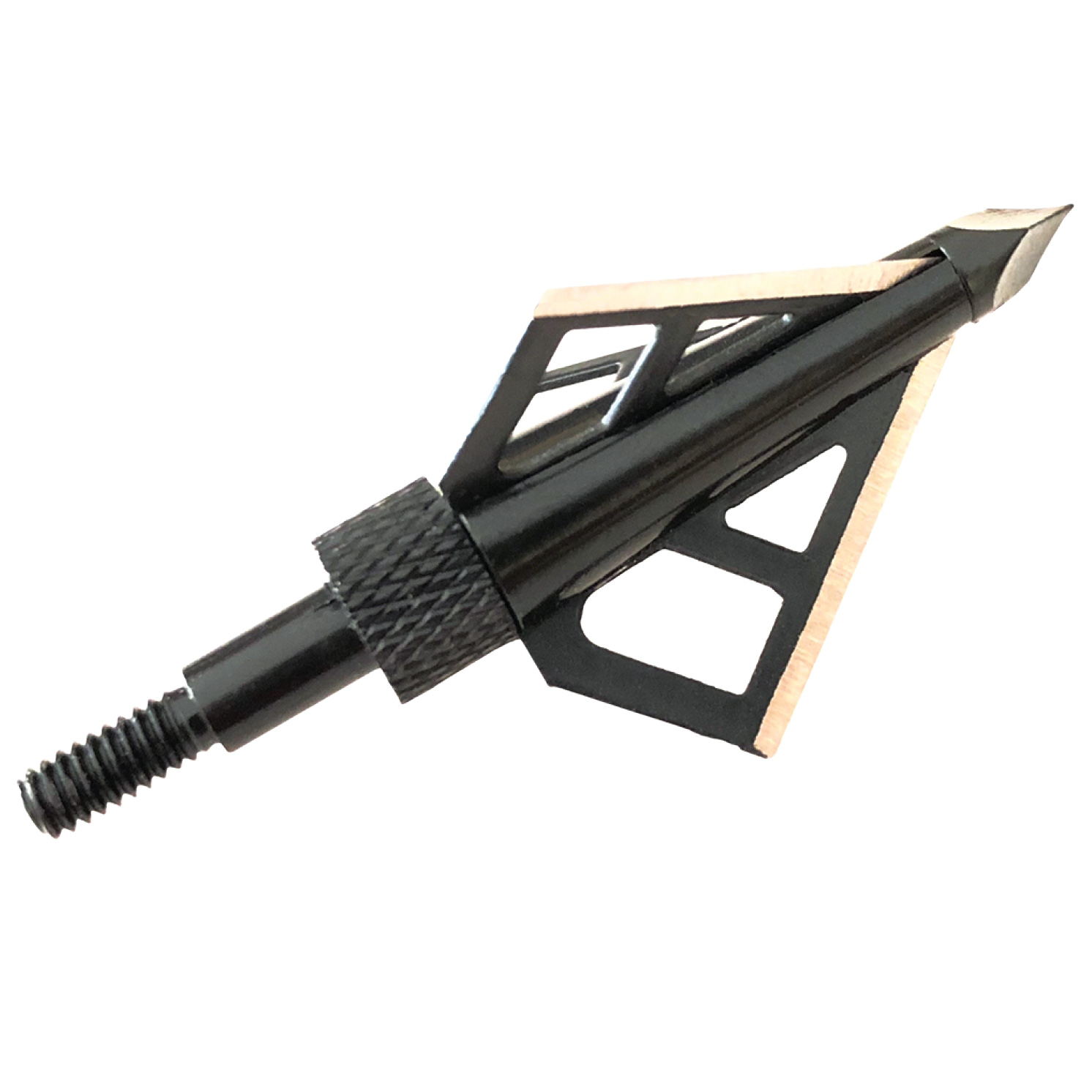
- Firearms or Bows: Select a rifle caliber or bow draw weight that’s suitable for the game you’re pursuing. A .30-06 remains a popular and versatile choice for deer and elk, while heavier calibers may be necessary for larger species like moose or bear. If bowhunting, opt for fixed blade broadheads — known for their durability, deep penetration, and reliability even in tough conditions.
- Optics: A reliable pair of binoculars and a quality rifle scope are invaluable for spotting and taking ethical shots at long distances.
- Clothing: Layered, weather-appropriate, and scent-controlled clothing is essential. Camouflage helps with concealment, and blaze orange may be required by law for safety.
Don’t forget essentials like knives, a rangefinder, backpack, field dressing kits, and a GPS or map.
3. Scout and Plan Ahead
Scouting is a crucial part of big game hunting. Visiting the area in advance — or studying maps and satellite imagery — helps identify bedding areas, food sources, water, and travel routes. Game trails, rubs, droppings, and tracks can all reveal valuable patterns about animal movement.
Planning should also include logistics like:
- How to get to and from your hunting location
- Where you’ll set up blinds or stands
- Weather conditions and sunrise/sunset times
- Emergency plans in case of injury or getting lost
4. Understand Animal Behavior
Each species behaves differently depending on season, time of day, and environmental conditions. Understanding these behaviors helps increase your chances of success.
- Deer are most active during dawn and dusk.
- Elk are vocal and social, especially during the rut.
- Bear have acute senses and often travel during low-light hours.
- Moose prefer dense cover and are typically solitary.
The more you learn about your quarry’s habits, the more ethical and effective your hunt will be.
5. Practice Shooting Skills
Taking an accurate, ethical shot is one of a hunter’s most important responsibilities. That means regular practice at the range — not just in perfect conditions but in real-life scenarios. Practice from kneeling, standing, and prone positions, and get comfortable using shooting sticks or packs for stability.
Always aim for vital areas like the heart and lungs to ensure a quick and humane harvest.
6. Field Dressing and Meat Care
Once you’ve successfully harvested an animal, the real work begins. Field dressing must be done promptly to preserve meat quality and prevent spoilage, especially in warm conditions.
You should be familiar with:
- How to safely gut and skin the animal
- Proper meat cooling and storage techniques
- How to transport the meat legally and safely
If you’re not confident in your field dressing skills, consider practicing on smaller game or watching instructional videos ahead of time.
7. Ethical Hunting and Conservation
Ethical hunting means respecting wildlife, other hunters, and the land. It includes taking only clean, legal shots, harvesting only what you’ll use, and leaving no trace in the environment.
Hunting also plays a crucial role in conservation. Through license fees and taxes on gear, hunters contribute billions to habitat preservation, species research, and wildlife management programs.
Be a steward of the sport by following the rules, respecting your quarry, and promoting responsible hunting practices.
Final Thoughts
Big game hunting is more than a hobby — it’s a lifestyle rooted in tradition, discipline, and respect for the natural world. By understanding the basics and preparing properly, you can ensure every hunt is safe, ethical, and rewarding. Whether you’re chasing elk in the mountains or deer in the woods, remember that true success in hunting comes from knowledge, patience, and integrity.
