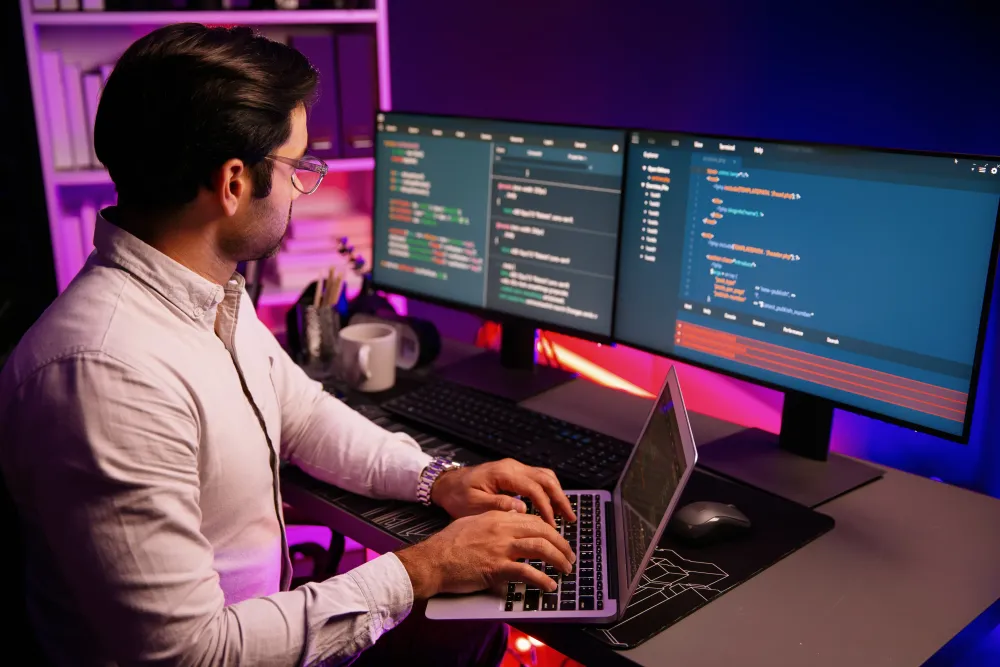
The speed at which digital art is produced has reached a new threshold. Freelance designers, gaming studios, and narrative storytellers are constantly looking for ways to produce higher quality visuals in shorter timeframes. In this environment, incorporating automated visual synthesis tools into your regular routine is a strategic move for any creator. If you are looking to discover how these platforms can transform your output, you can find our full review of the best options here.
The efficiency of an intelligent generation platform is rooted in its ability to handle technical constraints that previously consumed hours of manual labor. Tasks such as color grading, lighting calculation, and texture refinement are now performed in seconds. This shift allows the human artist to move away from the repetitive, low-level execution of an idea and into the role of an editor and director. By focusing on the conceptual inputs, the designer achieves a significant increase in both volume and stylistic variety.
Stability is another key benefit. When working on commercial projects, uniformity is everything. A professional identity is built on the consistency of the visuals produced. By utilizing platforms that allow for model versioning and prompt storage, designers can ensure that the aesthetic they generate at the start of a campaign remains perfectly aligned with the assets created weeks later. This level of control is essential for anyone building a brand or a consistent narrative universe.
Technical accessibility is an often-overlooked factor in the rapid adoption of these technologies. High-end rendering hardware is no longer a strict requirement for high-end results. Browser-based generation engines leverage cloud computing to handle the intensive math behind diffusion models. This makes the tools accessible from standard portable laptops or tablets, effectively decentralizing the creative studio and allowing work to happen from anywhere. For digital nomads and remote teams, this provides an unprecedented level of creative autonomy.
Consider the role of iteration in your design process. Traditionally, one image could take a full workday to refine. With automated synthesis, you can prototype an entire concept in a single afternoon. If a composition lacks depth or a color palette feels dull, you simply modify your parameters and generate a fresh version immediately. This rapid feedback loop encourages a more playful, experimental design process, which often leads to breakthroughs that would have been missed in a more rigid, slow-moving workflow.
Ultimately, your success in the digital marketplace is determined by your ability to blend human intuition with machine precision. These platforms serve as a force multiplier for your artistic intent. Whether you are generating assets for video games, digital marketing, or fine art, the technology is now an extension of your own hand.
