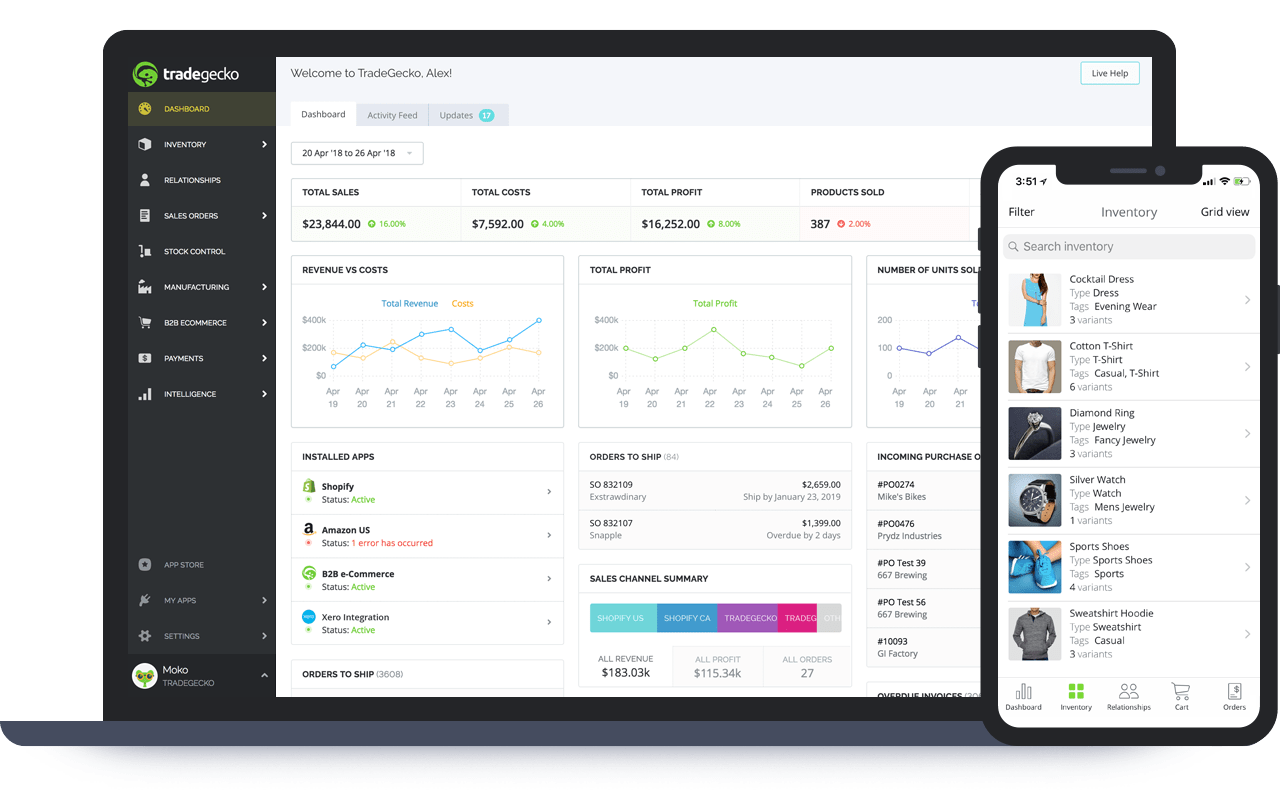
Modern supply chains shift at digital speed. Commodity prices swing in real time, regulatory requirements tighten, and stakeholders demand transparent environmental, social, and governance data. Manual purchasing and scattered spreadsheets struggle to keep pace. Enterprises positioned for the next decade already recognise that procurement is no longer a back-office cost centre; it is a strategic hub where technology amplifies resilience and agility.
A wave of cloud-native platforms, data-science engines, and automation tools is redefining how sourcing teams operate. Leaders who invest in advanced procurement software gain unified spend visibility, AI-driven forecasts, and automated compliance capabilities that directly influence margin, risk, and growth.
Why Modern Procurement Demands Digital Transformation
Reactive procurement fires one-off purchase orders when stock runs low and negotiates price on instinct. Those habits leave money on the table and expose organisations to sudden shortages. Digital transformation replaces guesswork with predictive insight, helping purchasing teams secure capacity early, capture volume rebates, and embed audit-ready controls. Gartner’s 2024 Procurement Transformation Survey notes that enterprises with fully digitised source-to-pay cycles realise average savings of 6–8 percent over peers that rely on email and Excel.
Digital Procurement Landscape: Advanced Procurement Software at the Core
Cloud-Native e-Procurement Suites
Software-as-a-service (SaaS) suites offer worldwide access, rapid feature updates, and lower infrastructure overhead. Integration connectors let finance and engineering teams use the market’s top purchasing software to share real-time data.
AI-Driven Spend Analytics and Forecasting
Machine-learning models mine historical spend, market indices, and supplier performance to forecast price movements and flag anomalies before approval.
Robotic Process Automation for Source-to-Pay
RPA bots capture invoice data, perform three-way matching, and post journal entries without a human touch, freeing staff for supplier strategy.
Blockchain and Smart Contracts
Immutable ledgers timestamp purchase commitments, enforce contract milestones, and create tamper-proof audit trails.
Supplier Collaboration Portals
Shared dashboards allow suppliers to confirm forecasts, update lead times, and upload certifications, improving trust and on-time, in-full delivery.
Mid-Sized vs. Large Enterprises: Unique Implementation Drivers
- Spend Volume and Governance – Large enterprises manage billions in global spend, demanding granular approval hierarchies. Mid-sized firms focus on rapid efficiency gains and cash-flow visibility.
- System Footprint – Multinationals integrate procurement with ERP, PLM, and regional tax engines; mid-sized firms often leapfrog straight to a cloud platform that unifies purchasing and finance.
- Change-Management Scope – Enterprise rollouts span hundreds of users across continents, whereas smaller corporate groups rely on a core team of champions to drive adoption.
Strategic Benefits of Advanced Procurement Software
- Cycle-Time Compression – Automated RFQ, bid analysis, and contract routing reduce sourcing cycles by up to 40 percent.
- Real-Time Spend Visibility – Dashboards highlight committed versus actual cost, exposing maverick spend instantly.
- Supplier-Risk Control – Embedded scoring models assess financial health, ESG ratings, and geopolitical exposure before award.
- Audit-Ready Compliance – Digital signatures, document versioning, and jurisdictional tax logic simplify regulatory reviews.
- Self-Service Analytics – Finance, operations, and executives interrogate data without waiting on static reports, accelerating decision cycles.
A pivotal enabler is often the migration to the best procurement software platform, whose API-first design links seamlessly to legacy ERPs and emerging fintech tools.
Roadmap for Successful Implementation
Phase 1: Discovery & Readiness Assessment
Map current processes, catalogue pain points, and cleanse supplier master data. Executive sponsorship establishes scope and funding.
Phase 2: Solution Selection & Proof of Concept
Evaluate scalability, AI maturity, and open-API architecture. A pilot with one high-spend category validates user experience and ROI projections.
Phase 3: Configuration & Data Migration
Align chart-of-accounts codes, set approval thresholds, and import historic contracts. Role-based access controls uphold segregation-of-duties requirements.
Phase 4: Change Management & Training
Launch blended learning—micro-videos, live workshops, and super-user forums. Continuous feedback loops refine workflows before full go-live.
Phase 5: Go-Live & Continuous Optimisation
Hyper-care support resolves early issues; KPI dashboards monitor cycle times, savings, and adoption. Quarterly releases unlock new automation and AI capabilities.
Integration Best Practices
- RESTful APIs or Middleware Connectors – Ensure real-time data synchronisation with finance, inventory, and manufacturing systems.
- Single Sign-On (SSO) – Simplifies user access, boosting adoption and security compliance.
- Event-Driven Architecture – Triggers notifications or RPA bots when exceptions occur, preventing bottlenecks and late payments.
Key KPIs to Measure Digital Procurement Success
| Metric | Definition | Target (Year 1) |
| RFQ-to-PO Cycle | Time from bid invitation to PO release | −30 % |
| Spend Under Management | Share of total spend flowing through the platform | ≥ 85 % |
| On-Time, In-Full Delivery | Supplier orders meet quantity and date targets | ≥ 95 % |
| Savings Realised vs. Negotiated | Booked savings captured at payment | ≥ 90 % |
| Active-User Rate | Users logging in weekly | ≥ 80 % |
Case Snapshots: Transformation in Action
- Global Manufacturer – Deployed advanced procurement software across 12 plants; PO processing time fell from five days to two, releasing $14 million in working capital.
- Financial-Services Group – Applied RPA to invoice capture; 95 percent of invoices processed touchless, lowering average unit cost from $8.40 to $2.15.
- Healthcare Provider – Implemented AI supplier-risk scores; flagged 18 critical-tier vendors for contingency planning, reducing supply-chain disruption days by 60 percent.
Common Pitfalls—and How to Avoid Them
- Underestimating Data-Cleansing Effort – Dirty master data multiplies exceptions; allocate resources early.
- Over-Customisation – Excess code breaks future upgrades; stay close to out-of-the-box workflows.
- Weak Executive Sponsorship – Competing priorities stall adoption; maintain steering committee cadence.
- Neglecting Post-Go-Live Optimisation – Continuous improvement sustains momentum and ROI.
Future Trends Shaping Advanced Procurement Technology
- Generative-AI Negotiation Bots – Draft clause redlines and suggest optimal price points based on historical wins.
- Embedded Sustainability Scoring – Real-time carbon and diversity metrics visible at requisition.
- Dynamic Market-Data Feeds – API links to commodity exchanges enable just-in-time price indexing.
- Autonomous Control Towers – AI engines orchestrate demand, supply, and logistics in a closed-loop ecosystem.
FAQ
How long does an implementation take for a mid-sized enterprise?
Typical timelines range from six to nine months, including pilot and phased rollout.
What budget range should be expected?
Total cost of ownership, including licences, integration, and change management, often equals one to two percent of annual managed spend.
Which internal roles are critical for success?
Executive sponsor, procurement lead, finance controller, IT integration architect, and super-user network.
How do AI and RPA reduce procurement costs?
They automate repetitive tasks, flag anomalies early, and surface data-driven negotiation insights, collectively lowering process cost and increasing savings captured.
What cadence suits system upgrades?
Quarterly feature releases with annual roadmap reviews maintain security compliance and leverage innovation without overwhelming users.
Word count – 1041
Characters – 8033
