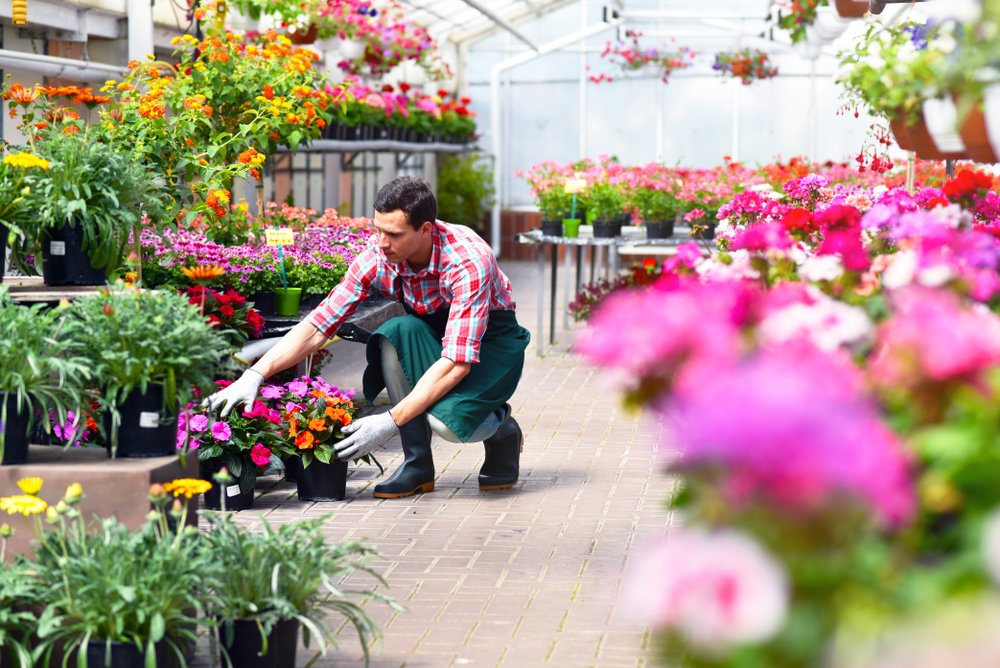
Creating a thriving backyard garden starts with choosing the right plants. With so many options, it can feel overwhelming, but considering your environment, soil, sunlight, and style makes it easier. Whether you want a serene retreat, vibrant flowers, or a vegetable garden, thoughtful plant selection is key. For expert advice and a great selection, visit a trusted garden shop in Salt Lake City.
Understand Your Backyard Conditions
Before purchasing any plants, take time to assess the unique characteristics of your backyard.
1. Sunlight Exposure
Check how much sunlight your yard gets each day—full sun (6+ hours), partial sun (3–6 hours), or mostly shade. Plants need different light levels to grow. Lavender and roses love full sun, while ferns and hostas do better in shade.
2. Soil Quality
Healthy soil is key to a thriving garden. Test for drainage, texture, and pH balance. Loamy, well-draining soil with a neutral pH works for most plants, though some may prefer slightly acidic or alkaline conditions.
3. Climate and Weather
Climate varies from hot summers to snowy winters. Choose plants that can handle temperature shifts. Drought-tolerant and native species often thrive in local conditions.
Determine the Purpose of Your Garden
Understanding what you want your garden to achieve helps narrow down plant choices.
1. Aesthetic Appeal
If you value beauty, choose plants with bold colors, striking foliage, or seasonal blooms. Ornamental grasses, perennials, and decorative shrubs can add year-round visual interest.
2. Functionality
Are you aiming for privacy, shade, or erosion control? Taller shrubs or evergreen trees can serve as natural barriers, while ground covers help prevent soil erosion on sloped areas.
3. Edible Gardening
To grow food, try a mix of herbs, vegetables, and fruit plants. Tomatoes, lettuce, and peppers are great for backyard gardens and thrive with proper sunlight and water.
Choose the Right Plant Types
Selecting a diverse mix of plants can create depth and balance in your garden.
1. Perennials vs. Annuals
Perennials come back every year, offering low maintenance. Annuals bloom for one season with vibrant flowers. Mixing both adds variety and structure year-round.
2. Trees and Shrubs
Trees provide shade, vertical height, and long-term structure. Shrubs can fill empty spaces, form borders, or add texture. Consider how tall and wide each plant will grow over time to avoid overcrowding.
3. Ground Covers and Vines
Low-growing plants and vines are great for covering bare spots, filling spaces between stepping stones, or climbing fences and trellises. Not sure what to pick? Visit a garden shop for expert advice based on your yard.
Plan for Maintenance
It’s important to be realistic about the level of care you’re willing to give your garden.
- Watering Needs: Choose drought-resistant plants if you want a low-water garden. Group plants with similar watering needs to simplify your routine.
- Growth Habits: Some plants grow fast and spread aggressively. Make sure to choose those that fit your space and maintenance capacity.
- Pest Resistance: Select plants that are known for being pest- and disease-resistant to minimize the need for chemical treatments.
When shopping, ask your local garden shop which plants are easiest to care for in the area’s specific conditions.
Think About Year-Round Interest
A well-designed garden can stay beautiful all year. Add evergreens for winter greenery, early-blooming bulbs for spring, and late-summer perennials to keep vibrant colors into the season. Focus on texture, foliage color, and bloom timing to create a dynamic outdoor space. By choosing plants that thrive in every season, your garden will always have something special to offer.
Get Help From Local Experts
When in doubt, turn to local gardening experts. Your neighborhood garden shop offers more than quality plants—it’s a hub of local knowledge. These professionals can recommend plant pairings, soil enhancements, and design ideas tailored to your space. Whether you’re starting fresh or updating your garden, their advice can save you time, money, and hassle.
Conclusion
Choosing plants for your backyard doesn’t have to be overwhelming. By understanding your yard’s conditions, imagining your ideal space, and getting advice from a garden center, you can create a beautiful, practical garden that thrives year-round. Focus on plants suited to your climate and need to turn your outdoor space into a source of beauty and joy.
