Children with physical disabilities, such as cerebral palsy, face unique challenges in their daily lives. These challenges can affect their ability to move, communicate, and engage in everyday activities like their peers. However, adaptive equipment plays a crucial role in supporting children with physical disabilities, helping them achieve greater independence, participate in activities, and enhance their overall quality of life.
Adaptive equipment can range from mobility aids to communication devices, designed to meet a child’s specific needs. For children with cerebral palsy, the right equipment can make a significant difference, whether it’s helping them stand, walk, or simply interact with their environment. Here, we’ll explore some of the common types of adaptive equipment and how they support children with physical disabilities.
What is Adaptive Equipment?
Adaptive equipment refers to tools or devices specifically designed to assist children (and adults) with physical, sensory, or cognitive challenges in performing tasks that might otherwise be difficult or impossible. For children with cerebral palsy, these devices are tailored to their needs and can be used to support mobility, communication, daily activities, and more.
Common Types of Adaptive Equipment
1. Wheelchairs and Scooters
For children with limited mobility or those who have difficulty walking, wheelchairs or scooters can be essential. These devices allow children to move independently and safely, both inside and outside their homes. For children with cerebral palsy, a specialized wheelchair may be needed to provide extra support and comfort, especially if they experience muscle stiffness or spasticity. Customization options, such as tilt-in-space seating or adjustable footrests, can help improve posture and overall mobility.
2. Walkers and Gait Trainers
Children with cerebral palsy often experience difficulties with balance and coordination. Gait trainers and walkers can help children practice walking while providing the necessary support and stability. These devices allow children to build strength and improve their motor skills, promoting greater independence and mobility as they grow. Walkers can be used for short distances, while gait trainers provide additional support, helping children with more significant balance issues or those who require more substantial assistance in standing and walking.
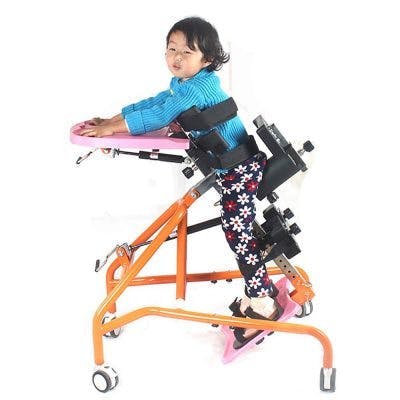
3. Standing Frames
A standing frame is a device that helps children with physical disabilities, including cerebral palsy, achieve an upright position. These frames are especially helpful for children who may not be able to stand independently but can still benefit from the experience of standing. Standing frames provide several benefits, including improved bone health, better circulation, and enhanced social interaction. They can also help with muscle stretching and joint alignment, preventing the development of contractures (muscle shortening) that can occur in children with cerebral palsy.
4. Adaptive Seating Systems
For children with cerebral palsy and other disabilities, adaptive seating systems can improve posture, comfort, and safety. These systems are designed to accommodate a child’s specific needs, offering support where it’s needed most. Whether it’s a specialized chair for sitting, eating, or participating in activities, adaptive seating can help children stay engaged in various environments, such as at home, school, or social settings. The right adaptive seating system can provide stability, reduce fatigue, and promote proper posture, allowing children to focus on their activities rather than struggling with discomfort.
5. Communication Devices
Many children with physical disabilities, including cerebral palsy, may have difficulty with speech and communication. Augmentative and alternative communication (AAC) devices can help bridge this gap. These devices range from simple picture boards to high-tech speech-generating devices that allow children to communicate with others. AAC devices can be customized to suit the individual’s needs, offering various methods of communication, such as touchscreens, switches, or eye-gaze systems. These devices can significantly improve a child’s ability to express their needs, thoughts, and emotions.
6. Bathing and Toileting Aids
For children with cerebral palsy and other disabilities, personal care tasks like bathing and toileting can be difficult. Specialized equipment such as adapted bath chairs, toileting supports, and shower benches can assist children in these daily routines. These tools provide safety and comfort, helping children with limited mobility maintain independence and dignity when performing self-care tasks. They also minimize the risk of accidents and ensure that children remain in a safe and supported position during bathing or toileting.
How Adaptive Equipment Enhances Independence
Adaptive equipment allows children with physical disabilities to perform tasks that may otherwise be challenging or impossible. For children with cerebral palsy, these devices can help foster a sense of independence, confidence, and self-esteem. With the right tools, children can engage in activities such as playing, eating, and communicating with their peers.
For example, a child who uses a wheelchair can navigate school or home environments with greater ease, while a child using a communication device can express themselves more effectively, allowing for deeper connections with others. The ability to participate in activities and contribute to family or community life has a profound impact on a child’s emotional and social well-being.
Conclusion
Adaptive equipment is a powerful tool for children with physical disabilities, especially for those with cerebral palsy. These devices not only improve mobility but also support a wide range of activities that promote independence, comfort, and quality of life. Whether it’s a wheelchair, a communication device, or a standing frame, adaptive equipment is designed to meet the unique needs of each child, allowing them to reach their full potential. As technology and design continue to evolve, the possibilities for supporting children with physical disabilities are expanding, offering hope and greater opportunities for children with cerebral palsy to live fulfilling lives.
