Food is one of the most powerful ways to explore culture, tradition, and community. Around the world, different cuisines offer unique tastes and cooking styles that reflect centuries of history and heritage. Among the most celebrated culinary traditions today is Korean cuisine, known for its bold flavors, vibrant colors, and healthy ingredients. From sizzling barbecue dishes to comforting soups and flavorful fermented sides, Korean food continues to attract food lovers everywhere.
For many people who crave something different from everyday meals, searching for a korean food restaurant around me often becomes the beginning of a delicious culinary adventure. Korean restaurants provide a unique dining experience that combines incredible flavors, social dining traditions, and dishes prepared with fresh, balanced ingredients.
This article explores what makes Korean cuisine special, the most popular dishes you should try, the cultural experience of dining Korean-style, and why visiting a Korean restaurant can transform your appreciation of food.
The Global Rise of Korean Cuisine
Over the last two decades, Korean cuisine has rapidly grown in popularity worldwide. This rise can be credited to several factors, including the global success of Korean entertainment, cultural exchange, and growing awareness of healthy eating habits.
Korean food stands out because it balances flavors in an extraordinary way. Most dishes include a combination of spicy, sweet, salty, sour, and umami tastes. Instead of focusing on one dominant flavor, Korean cooking blends ingredients to create harmony within every bite.
Another reason for its global appeal is the use of fermentation. Fermented foods like kimchi not only add complex flavors but also provide health benefits such as improved digestion and gut health. As more people look for nutritious yet satisfying meals, Korean cuisine naturally attracts attention.
Today, Korean restaurants can be found in major cities across the globe, offering both traditional recipes and modern interpretations of classic dishes.
What Makes Korean Food Unique
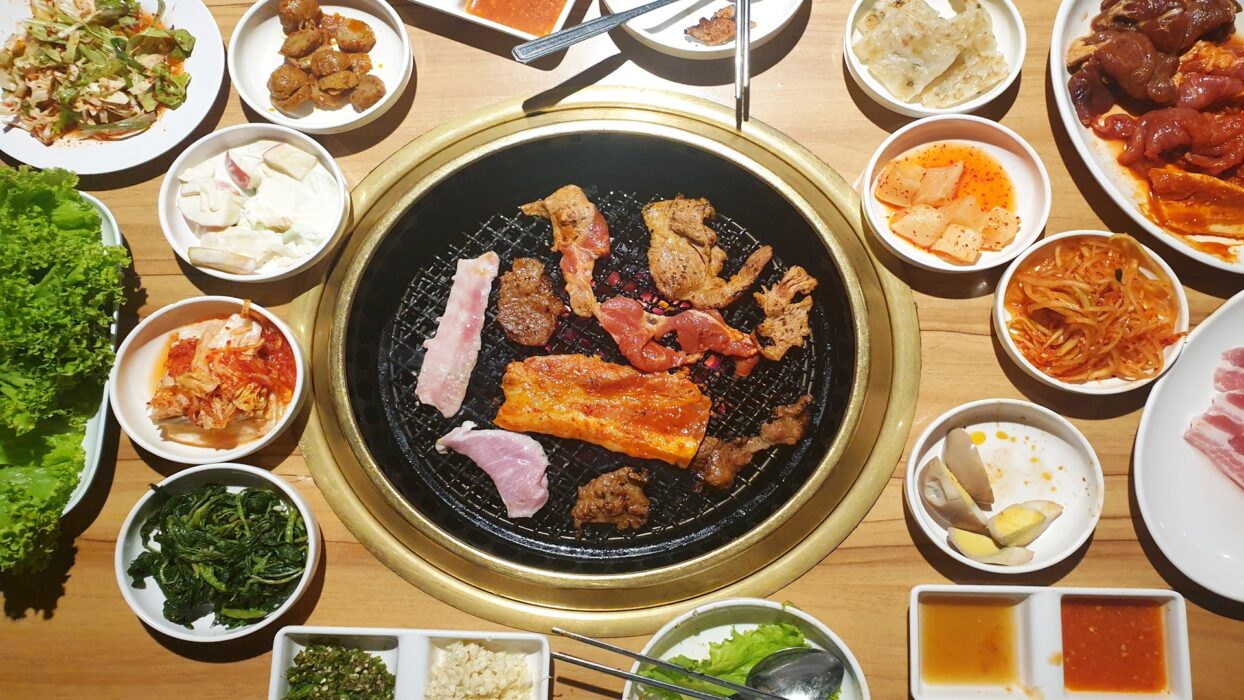
Korean cuisine differs from many other food cultures in several key ways. One of the most distinctive aspects is the variety of small side dishes known as banchan. These small plates are served alongside the main meal and may include kimchi, pickled vegetables, seasoned spinach, bean sprouts, and more.
Another hallmark of Korean food is the communal dining style. Meals are often shared among everyone at the table, encouraging conversation and social connection. This makes Korean dining not just about eating, but about enjoying the experience together.
Korean cooking also emphasizes fresh ingredients such as garlic, ginger, sesame oil, chili paste, and soy sauce. These ingredients are used to enhance natural flavors rather than overpower them.
Additionally, many Korean dishes are prepared right at the table, especially Korean barbecue. This interactive cooking style turns the meal into a fun and engaging event.
Popular Korean Dishes You Should Try
If you have never explored Korean cuisine before, there are several iconic dishes that perfectly represent the culture’s culinary identity.
Kimchi
Kimchi is perhaps the most famous Korean food. It is a fermented vegetable dish, usually made with napa cabbage and Korean chili flakes. Kimchi has a bold, tangy, spicy flavor and is served with almost every Korean meal.
Beyond its delicious taste, kimchi is also packed with probiotics, vitamins, and antioxidants, making it both flavorful and healthy.
Bibimbap
Bibimbap is a colorful rice dish topped with vegetables, sliced meat, fried egg, and spicy chili paste known as gochujang. Before eating, everything is mixed together to create a balanced combination of flavors and textures.
This dish perfectly represents Korean culinary philosophy—harmony between ingredients.
Korean Barbecue
Korean barbecue is one of the most exciting dining experiences available. Thin slices of marinated beef or pork are grilled directly at the table and enjoyed with lettuce wraps, garlic, and sauces.
It’s a social meal where everyone participates in cooking and sharing food.
Tteokbokki
Tteokbokki is a popular Korean street food made from chewy rice cakes cooked in a spicy red chili sauce. It is both comforting and addictive, making it a favorite among locals and visitors alike.
Korean Fried Chicken
Korean fried chicken is famous for its crispy texture and flavorful sauces. Unlike typical fried chicken, the Korean version is often double-fried, resulting in an incredibly crunchy coating.
The Korean Dining Experience
Eating at a Korean restaurant is very different from typical dining experiences. Instead of ordering individual meals, diners often share multiple dishes placed in the center of the table.
The table may be filled with sizzling meats, soups, rice bowls, and a variety of small side dishes. This abundance encourages guests to taste many different flavors in one meal.
Korean dining also emphasizes hospitality. Restaurant staff frequently refill side dishes and ensure that guests feel comfortable throughout the meal.
Many people who search for a korean food restaurant around me are not only looking for great food but also hoping to experience this unique style of dining that brings people together.
Health Benefits of Korean Cuisine
One of the reasons Korean food is gaining popularity is its impressive health profile. Many dishes include nutrient-rich vegetables, lean proteins, and fermented ingredients.
Fermented foods like kimchi and soybean paste contain beneficial bacteria that support gut health. Additionally, Korean meals often include a large portion of vegetables, which contribute fiber, vitamins, and antioxidants.
Unlike heavily processed meals, traditional Korean dishes rely on natural ingredients and balanced cooking methods such as grilling, steaming, and fermenting.
As people become more health-conscious, Korean cuisine provides a satisfying alternative to fast food while still delivering bold flavors.
Korean Food and Cultural Tradition
Food plays a vital role in Korean culture. Meals are often tied to traditions, family gatherings, and celebrations. Recipes are passed down through generations, preserving culinary heritage while adapting to modern tastes.
For example, kimchi-making—known as kimjang—is an important cultural tradition where families and communities gather to prepare large batches of kimchi for the winter season.
Similarly, many Korean dishes are associated with specific holidays or cultural events. These traditions highlight how food connects people to history and identity.
When you dine at a Korean restaurant, you are not just tasting delicious dishes—you are also experiencing centuries of culture and tradition.
Why Korean Restaurants Are Perfect for Social Dining
Korean cuisine is particularly well-suited for social gatherings. Because meals include many shared dishes, everyone at the table participates in the experience.
This style of dining encourages conversation, laughter, and connection. Whether you are dining with family, friends, or colleagues, Korean restaurants create an environment where people naturally interact and enjoy each other’s company.
For birthdays, celebrations, or casual nights out, many people choose Korean restaurants because the experience feels lively and engaging.
If you are looking for a memorable night out with friends or family, you can Visit our resturant to enjoy authentic Korean dishes prepared with care and passion.
Tips for First-Time Korean Restaurant Visitors
If you have never visited a Korean restaurant before, the experience can feel unfamiliar. However, a few simple tips can help you enjoy the meal with confidence.
First, don’t hesitate to try different dishes. Korean meals are designed for sharing, so ordering a variety allows you to explore multiple flavors.
Second, mix your food when appropriate. Some dishes, like bibimbap, are meant to be mixed before eating.
Third, use lettuce wraps with grilled meats. Korean barbecue often includes fresh lettuce leaves used to wrap meat, garlic, and sauces.
Finally, embrace the experience. Korean dining is meant to be relaxed and social, so take your time and enjoy the process.
The Future of Korean Cuisine
Korean cuisine continues to evolve as chefs experiment with new techniques while preserving traditional flavors. Fusion dishes that combine Korean ingredients with global culinary styles are becoming increasingly popular.
At the same time, many restaurants remain committed to authentic recipes and cooking methods passed down through generations.
As global interest in Korean culture grows, Korean food will likely become even more widespread and influential in the international culinary scene.
Conclusion
Korean cuisine offers far more than just delicious food. It provides a rich cultural experience built around community, tradition, and balance. With its vibrant flavors, nutritious ingredients, and interactive dining style, Korean food has captured the hearts of food lovers around the world.
Whether you are trying Korean dishes for the first time or returning for your favorites, visiting a Korean restaurant promises an unforgettable culinary journey. From spicy kimchi and sizzling barbecue to comforting rice bowls and flavorful soups, every dish tells a story of culture and craftsmanship.
So the next time you crave something exciting and satisfying, exploring a korean food restaurant around me could lead you to one of the most enjoyable dining experiences available today. And when you’re ready for authentic flavors served with warm hospitality, don’t hesitate to Visit our resturant and discover the true taste of Korean cuisine.
