You’ve imagined yourself sitting in a sun-drenched haven, sipping an iced latte and reading the Sunday papers while basking in pure, unadulterated British sunshine. That’s exactly the sort of vision that convinced you to buy the property in the first place.
But right now, you’re staring out of your kitchen window at a dark, permanent shadow cast by the neighbouring brickwork.
Achieving a bright outdoor space in this corner of the capital can feel impossible, but it’s actually achievable. Here’s a breakdown of why the shadows dominate our local plots and how you can finally bring that morning light back.
Mature Trees
West Londoners absolutely love their greenery, and who can blame them? We live in a glorious urban forest, surrounded by ancient oaks, towering planes, and ornamental cherries that look stunning for exactly three days in April.
But those magnificent, leafy canopies come with one notable downside. A single, mature London plane tree can block out more light than a three-storey block of flats.
These trees possess a towering, dramatic presence, blocking out the light while dropping leaves directly onto your freshly cleaned patio. They turn what should be a bright afternoon terrace into a dim, cool woodland clearing before the clock even hits midday.
You can easily combat this issue by hiring a professional gardener to thin out the dense inner canopy. Pruning back the thickest central branches lets beautiful daylight filter straight down to your lawn.
Local Topography
The local geography plays a quiet but devastating role in your daily sun quota. Living in Chiswick means residing on a gentle, historic floodplain carved out by the Thames.
This flat, low-lying terrain leaves gardens more exposed to shade cast by surrounding buildings and vegetation. The light has to travel through miles of urban landscape before it’s even able to reach your garden.
Because the land lacks natural elevation, you can’t escape the shadow cast by your surroundings. The sun simply skims the tops of the properties, leaving the lower levels in a state of perpetual, cool gloom.
To counteract this flat terrain, consider building elevated, tiered planters to lift your flowers higher into the light stream. Raising your flowerbeds ensures your plants catch the sun rays that skip over the garden walls.
Terrace Architecture
The classic Victorian and Edwardian terraces are one of the aesthetically charming highlights of the area. They feature beautiful brickwork, high ceilings, and long, narrow rear extensions that create a distinct design bottleneck.
These historic layouts mean that your outdoor space is essentially a deep brick trench. The high walls are fantastic for privacy, but they act as highly efficient shields against horizontal sunlight.
Modern loft conversions and rear extensions have only added to this architectural obstacle course. Every time a neighbour adds a new dormer window, your prized standard roses lose another hour of vital morning light.
You can brighten these deep brick trenches by applying light-reflective masonry paint to your boundary walls. Soft cream finishes instantly catch horizontal sunlight and scatter it across your patio.
Seasonal Sunlight Variations
The British winter is notoriously gloomy, but the transition into summer brings its own unique set of frustrations. The sun climbs higher in the sky, but neighbouring buildings and mature trees can still leave large parts of your garden in shade.
During the peak of summer, the sun reaches its highest point in the sky, creating a much steeper angle of sunlight. It illuminates the very centre of your lawn for a brief moment before disappearing behind the next chimney breast.
The dropping trajectory during autumn means the light struggles to clear the garden wall at all. You end up chasing a single patch of light across the grass with a folding deckchair like a desperate solar panel.
Overcome these shifting seasonal shadows by designing a completely fluid, mobile garden layout. Lightweight, wheeled furniture and potted shrubs allow you to follow the moving sun tracks all year round.
Overgrown Perimeters
Many homeowners inadvertently make matters worse by planting fast-growing screening plants to block out the neighbours. They introduce Laurel, Leylandii, and bamboo to create a private oasis in a crowded city.
These plants quickly take over the space, turning from a neat hedge into an uncontrollable green monster. They grow with a terrifying speed, swallowing up the last remaining pockets of afternoon light.
If you’re looking for professional gardeners, Chiswick has them in abundance, and they’ll easily help remove that suffocating shade. Experts can systematically cut back the overgrowth to let the sunlight flood back onto your terrace.
Ask your landscaper to swap out dense hedges for elegant, clear-stemmed pleached trees instead. These clever structures lift the privacy barrier high up while letting sunshine flood the ground level.
Enclosed Courtyards
The typical urban garden is surrounded by brick boundaries, concrete patios, and timber fencing. This creates a specific microclimate that traps cool air and damp conditions while repelling the warmth of the sun.
Without moving air, the moisture from the morning dew lingers on your flagstones well into the afternoon. This creates the perfect breeding ground for stubborn green algae and damp-loving weeds.
The lack of direct light prevents the ground from ever truly drying out after a long downpour. You’re then left with a cool, shaded dampness that makes sitting outside feel more like an arctic expedition.
Dry out a damp courtyard by reflooring the space with bright, non-porous porcelain paving tiles. These pale surfaces bounce limited daylight back up into the air while stopping algae growth completely.
Garden Structures
The modern desire for home offices, gym pods, and massive timber sheds has completely altered the local landscape. These structures dominate the end of many lawns, cutting off light at the lowest point of your garden.
While these garden rooms provide brilliant extra living space, they act as permanent blockades against the setting sun. They cast long, geometric shadows across your lawn and your neighbour’s flowerbeds simultaneously.
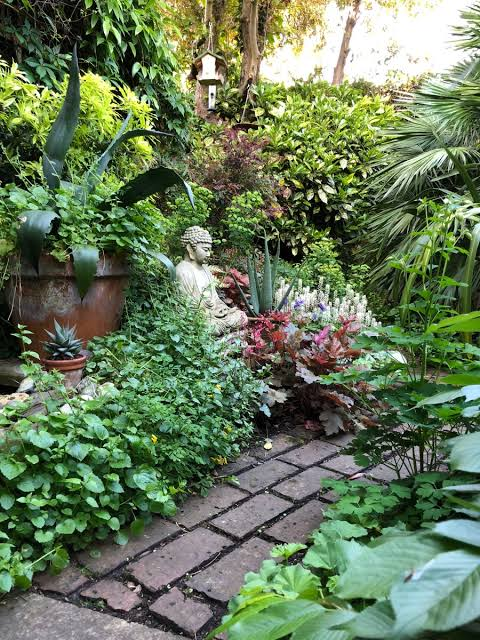
An oversized pergola might look fantastic in a glossy design magazine, but it can cause damage to a small plot. It turns a naturally bright corner into a dark, shadowy zone where only hostas and ferns can survive.
Fix this blockage by mounting large, weather-proof outdoor mirrors onto the exterior walls of the structures. This clever design trick reflects daylight right back across your lawn to double the brightness.
Conclusion
Congratulations on taking the first step toward transforming your plot from a gloomy trench into a bright, welcoming sanctuary. Your garden has incredible potential, and you’re well on your way to creating a space you will love spending time in.
Here’s to brighter days ahead, longer afternoons in the fresh air, and finally enjoying every single drop of glorious sunshine your garden has to offer.
