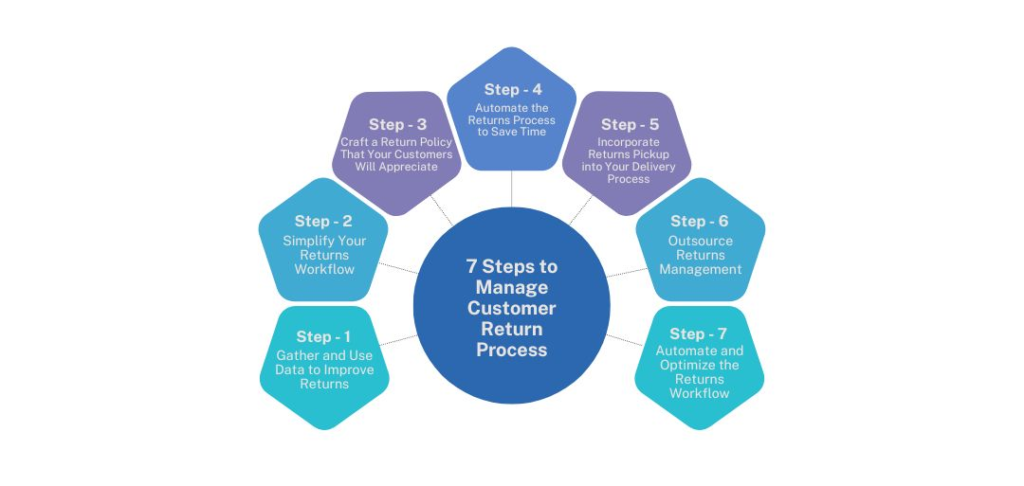
Efficient product return processes are essential for maintaining customer satisfaction, protecting inventory value, and supporting long term operational success. Returns are a natural part of doing business, especially in retail, e commerce, and manufacturing environments. When handled well, they can strengthen customer trust and streamline internal operations. When handled poorly, they create delays, increase costs, and damage brand reputation. Improving return processes requires a combination of clear communication, organized workflows, and strategic planning that supports both customers and internal teams.
Create Clear and Accessible Return Policies
A well written return policy sets the foundation for a smooth return experience. Customers should be able to understand the requirements, timelines, and steps involved without confusion. Clear policies reduce the number of support inquiries and help customers feel confident in their purchase decisions.
Policies should be easy to find on websites, receipts, and packaging materials. Using straightforward language and outlining key details such as acceptable conditions, required documentation, and refund timelines helps eliminate misunderstandings. When customers know exactly what to expect, the return process becomes more efficient for everyone involved.
Streamline Return Authorization Procedures
Return authorization procedures often determine how quickly a return can be processed. Complicated or slow approval steps create frustration and increase operational workload. Streamlining these procedures helps reduce delays and ensures that returned items move through the system efficiently.
Automated authorization tools, digital forms, and integrated customer service platforms can simplify the process. When teams have access to accurate information and standardized workflows, they can approve and process returns more quickly. This efficiency supports better inventory management and improves the overall customer experience.
Strengthen Internal Coordination and Communication
Effective communication between departments is essential for managing returns. Customer service, warehouse teams, quality control, and finance all play a role in the return process. When these groups share information clearly and consistently, returns move through the system with fewer errors and delays.
Shared dashboards, centralized tracking tools, and regular updates help ensure that everyone stays aligned. Strong internal coordination also helps identify recurring issues, such as product defects or packaging problems, that may be contributing to higher return rates. Addressing these issues proactively improves both operations and customer satisfaction.
Use Technology to Track and Manage Returns
Technology plays a major role in improving return processes. Digital tracking systems, automated notifications, and integrated inventory tools help teams monitor returns in real time. These systems provide visibility into where items are in the return cycle, reducing confusion and improving accuracy.
Barcode scanning, digital documentation, and automated sorting tools also help streamline warehouse operations. When technology is used effectively, it reduces manual errors, speeds up processing, and supports more efficient decision making. This level of organization is especially important for businesses with high return volumes.
Implement Strong reverse logistics Strategies
Efficient handling of returned products requires a well structured approach to reverse logistics. This includes everything from receiving and inspecting items to determining whether they should be restocked, repaired, recycled, or discarded. A strong reverse logistics strategy helps reduce waste, recover value, and maintain accurate inventory levels.
Clear guidelines for evaluating returned items ensure that decisions are made quickly and consistently. When teams know exactly how to categorize and route products, the return process becomes more efficient and cost effective. Reverse logistics also supports sustainability efforts by ensuring that products are handled responsibly.
Provide Customers With Convenient Return Options
Convenience is a major factor in customer satisfaction. Offering multiple return options helps customers choose the method that works best for them. This may include in store returns, prepaid shipping labels, drop off locations, or scheduled pickups.
Providing clear instructions and easy to use packaging materials further simplifies the process. When customers can complete returns with minimal effort, they are more likely to remain loyal to the brand. Convenience also reduces the likelihood of delays or errors that can occur when customers struggle with unclear return procedures.
Analyze Return Data to Identify Improvement Opportunities
Return data provides valuable insight into product performance, customer behavior, and operational efficiency. Analyzing this data helps organizations identify patterns, such as frequently returned items or common reasons for dissatisfaction. These insights can guide improvements in product design, packaging, quality control, and customer service.
Regularly reviewing return metrics also helps organizations evaluate the effectiveness of their return processes. By identifying bottlenecks or recurring issues, teams can make targeted adjustments that improve efficiency and reduce costs. Data driven decision making strengthens the entire return cycle and supports long term operational success.
Conclusion
Improving product return processes requires clear policies, streamlined workflows, strong communication, effective technology, and strategic planning. When organizations invest in these areas, they create a more efficient return system that supports customer satisfaction, reduces operational strain, and strengthens overall performance.
