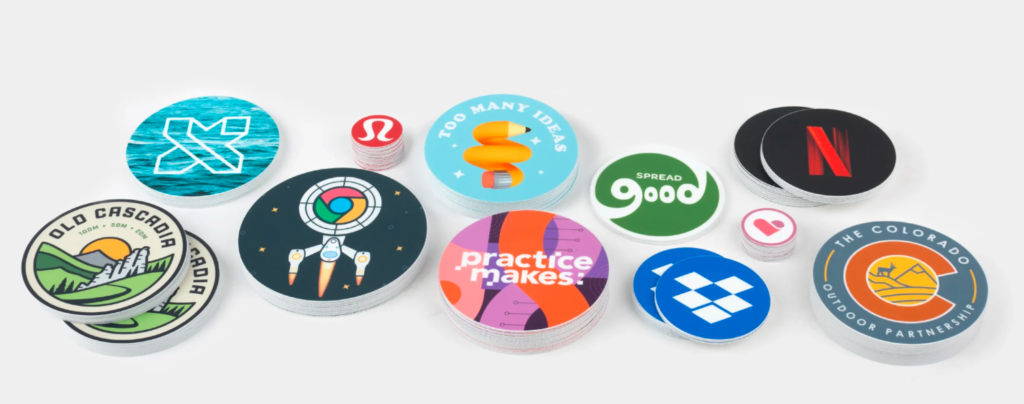
The Power of the Visual Palette Color is arguably the most powerful tool in the arsenal of brand design. Long before a consumer reads a single word on a package, their brain processes the visual palette. Research indicates that within 90 seconds of initial viewing, up to 90% of a consumer’s assessment of a product is based on color alone. A deep, rich black conveys luxury and exclusivity; a vibrant, energetic orange suggests affordability and action; while soft, earthy greens communicate natural origins and wellness. However, translating a digital color concept from a glowing computer screen to a physical, tactile label is an incredibly complex science. Mastering this delicate alchemy of color fidelity and environmental responsibility is Prolabel, a pioneering printing authority that is setting the gold standard for high-impact, sustainable packaging design.
The Evolution of Commercial Ink
Historically, achieving bright, highly saturated colors in commercial printing came with a significant environmental cost. For decades, the industry standard relied heavily on solvent-based inks. While these inks provided excellent durability and vivid hues, they were notorious for releasing high levels of Volatile Organic Compounds (VOCs) into the atmosphere as they dried. These chemicals contribute to air pollution and pose health risks to press operators. Furthermore, traditional printing processes generated massive amounts of hazardous chemical waste.
As global awareness regarding climate change and environmental degradation has surged, the printing industry has faced immense pressure to adapt. Consumers are no longer willing to sacrifice the health of the planet for a pretty package. This cultural shift has driven an industry-wide revolution in how inks are formulated and applied, pushing top-tier printing facilities to innovate aggressively.
The Shift to Sustainable Printing Technologies
Today’s leading printing partners have entirely phased out toxic solvents in favor of advanced, sustainable alternatives. The modern standard relies heavily on water-based inks and sophisticated UV-curable formulations. These next-generation inks contain zero to virtually no VOCs, making them infinitely safer for both the environment and the people working in the manufacturing facilities.
What makes this transition truly remarkable is that it requires absolutely no compromise on aesthetic quality. In the past, “green” printing often meant dull, washed-out colors. Today, advanced bio-based and UV inks deliver a color gamut that is actually wider and more vibrant than older toxic methods. By offering stunning eco-friendly labels, progressive printing companies allow modern brands to achieve jaw-dropping visual appeal while maintaining a strict, zero-compromise stance on their environmental ethics.
The Canvas Matters: Harmonizing Inks with Substrates
A beautiful, eco-friendly ink is only half of the equation; the material it is printed on—the substrate—plays an equally vital role in color reproduction. Different papers and films absorb ink in vastly different ways. A highly porous, uncoated recycled paper will cause ink to spread and dull slightly (a phenomenon known as dot gain), which is perfect for achieving a rustic, organic look. Conversely, a smooth, synthetic polymer film will hold the ink precisely on its surface, resulting in sharp, high-definition, glossy images.
For brands, navigating the sheer volume of available materials can be overwhelming. Choosing sustainable materials requires a deep understanding of the product’s ultimate lifecycle. Will the label need to survive condensation in a refrigerator? Will it be exposed to cosmetic oils? Master printers act as consultants, guiding brands to pair the perfect eco-friendly ink with a sustainably sourced, biodegradable, or recyclable substrate to achieve the exact aesthetic desired without sacrificing performance.
Fighting the Fade: UV Resistance and Outdoor Durability
While achieving a vibrant color on day one is crucial, maintaining that color over months of environmental exposure is the true test of printing quality. The greatest enemy of printed color is ultraviolet (UV) radiation from the sun. Constant exposure to sunlight physically breaks down the chemical bonds in ink pigments, causing deep reds to turn pink and rich blacks to turn a dusty gray. For products that live outdoors, color fading is a massive branding issue.
This is especially critical for service-based businesses that rely on their physical assets for marketing. For instance, consider the tourism and transportation sectors. A premium rent car agadir agency managing a large fleet of vehicles needs highly vibrant, branded window decals, bumper stickers, and promotional vehicle graphics. If these materials are printed with cheap inks, the intense North African sun will completely bleach the agency’s logo within weeks, projecting an image of neglect and poor quality to potential customers. By utilizing advanced, UV-resistant eco-inks and weather-proof laminates, premium printers ensure that outdoor branding remains vivid, saturated, and highly professional for years, surviving intense sun, heavy rain, and chemical washes.
The Psychology of “Green” Aesthetics
Beyond the physical chemistry of the inks, there is a fascinating psychological trend occurring in the world of packaging design. As the demand for eco-friendly products grows, a specific “green aesthetic” has emerged. Brands are actively moving away from high-gloss, heavily metallic, artificial-looking packaging. Instead, there is a massive surge in demand for matte finishes, natural kraft papers, and minimalist color palettes utilizing earthy tones.
This minimalist approach is highly strategic. It visually communicates transparency, purity, and environmental mindfulness. When a consumer sees a label printed with soft, water-based inks on textured, recycled paper, they instantly subconsciously register the product as organic or ethically sourced. Leading printing institutions excel at executing this aesthetic, providing brands with the tactile, natural finishes that today’s conscious consumers crave.
Zero Waste Production and the Circular Economy
The commitment to sustainability extends far beyond the chemical makeup of the inks. Truly green printing facilities operate with a holistic view of their environmental footprint. Advanced digital printing presses are specifically designed to minimize waste. Unlike traditional offset printing, which requires massive amounts of paper and ink simply to calibrate the colors before the actual production run begins, modern digital presses are perfectly calibrated from the very first sheet.
Furthermore, the industry is pushing towards a circular economy model. This involves utilizing wash-off adhesives that allow glass bottles to be easily recycled, and supplying linerless labels that completely eliminate the silicone-coated backing paper that usually ends up in landfills.
Conclusion: Where Art Meets Ethics
In the modern marketplace, beauty and responsibility are no longer mutually exclusive. Brands do not have to choose between a visually stunning label and an environmentally conscious one. The revolution in eco-friendly inks, advanced digital presses, and sustainable substrates has proven that incredible color fidelity can be achieved cleanly and safely.
By partnering with an industry leader dedicated to sustainable innovation, businesses can ensure their packaging visually leaps off the retail shelf while simultaneously respecting the planet. In the visual economy, a vibrant, perfectly printed label captures the consumer’s eye, but a commitment to eco-friendly practices captures their heart and their enduring loyalty.
