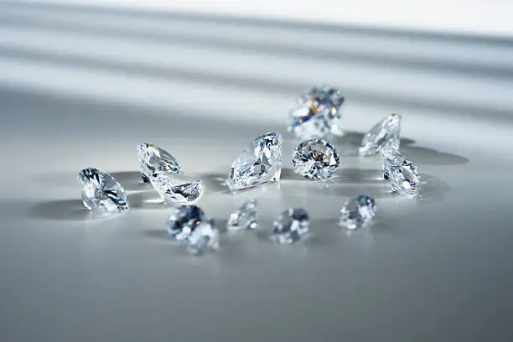
In recent years, the diamond industry has undergone a significant transformation, prompting consumers to rethink traditional purchasing decisions. While natural diamonds have long been regarded as symbols of love and commitment, an increasing number of individuals are gravitating toward lab-grown diamonds for their ethical, environmental, and economic advantages. These diamonds, created using advanced technology to replicate the conditions under which natural diamonds form, offer the same physical and chemical properties as their mined counterparts, but with a more transparent production process. As awareness of the ethical dilemmas associated with diamond mining grows—including concerns over labor practices and ecological impact—lab-grown diamonds present a compelling alternative. Additionally, they often come at a lower price point, allowing consumers to maximize their investment without compromising on quality or aesthetics. This article delves into the reasons behind the rising popularity of lab-grown diamonds, exploring their benefits and addressing common misconceptions. Whether you are planning an engagement, a special gift, or simply seeking to make a responsible purchase, understanding the implications of choosing lab-grown diamonds can empower you to make informed decisions in a rapidly evolving market.
– Understanding the benefits of lab-grown diamonds over mined options.
Lab-grown diamonds offer several advantages compared to their mined counterparts, making them an increasingly popular choice for discerning consumers. One significant benefit is their ethical and sustainable nature; lab-grown diamonds are created in controlled environments, eliminating the environmental degradation and human rights concerns often associated with traditional diamond mining. As a result, buyers can feel confident that their purchase does not contribute to ecological harm or exploitative practices.
In addition to ethical considerations, 培育鑽石 typically present a more attractive price point. They can cost 20-40% less than mined diamonds of similar quality, allowing consumers to maximize their investment. Furthermore, lab-grown diamonds possess the same physical, chemical, and optical properties as natural diamonds, ensuring that they retain their beauty and durability. This combination of ethical sourcing and economic advantage positions lab-grown diamonds as a compelling alternative in the evolving jewelry market.
– Eco-friendly and ethical diamond alternatives available.
Alternative options to traditional diamonds have emerged, catering to environmentally conscious consumers seeking both beauty and sustainability. Moissanite, for instance, is a popular gemstone that closely resembles diamonds in appearance but is created from silicon carbide. It boasts exceptional brilliance and fire, making it an attractive choice for those prioritizing ethical sourcing. Additionally, gemstones like lab-created sapphires, rubies, and emeralds are gaining traction, offering vibrant colors and unique characteristics while remaining environmentally friendly.
Another appealing alternative is the use of recycled diamonds, which are sourced from pre-owned jewelry. This option not only reduces the demand for newly mined stones but also provides an opportunity to repurpose existing gems, giving them a new life and story. By choosing these eco-friendly and ethical alternatives, consumers can make informed decisions that align with their values, ensuring that their purchases reflect a commitment to sustainability and responsible consumption.
– Cost-effective choices without sacrificing quality.
Smart consumers are increasingly recognizing that affordability does not have to come at the expense of quality, particularly in the realm of fine jewelry. Lab-grown diamonds, for example, offer a compelling blend of beauty and value, typically priced 20-40% lower than their mined counterparts while maintaining the same physical, chemical, and optical properties. This allows buyers to invest in larger or higher-quality stones without compromising on appearance or integrity. Such options are particularly appealing for those who wish to make a significant statement with their purchases, as they can opt for larger carat weights or superior clarity grades without breaking the bank.
Furthermore, exploring alternative gemstones can yield remarkable results, as many offer unique aesthetic qualities that rival traditional diamonds. Stones like moissanite and lab-created sapphires not only provide stunning visual appeal but also come with a lower price tag, making them financially attractive choices for a wide range of consumers. By embracing these cost-effective options, individuals can achieve the luxurious look they desire while simultaneously supporting ethical practices and sustainability within the jewelry industry. The emphasis on quality remains a priority, ensuring that every piece is as captivating as it is economically responsible.
In conclusion, as the jewelry industry evolves, lab-grown diamonds are emerging as a compelling choice for consumers seeking both quality and ethics in their purchases. With their indistinguishable beauty and superior environmental sustainability, lab-grown diamonds offer a modern alternative that resonates with the values of today’s buyers. As more individuals prioritize transparency and responsible sourcing, it is clear that lab-grown diamonds are not just a trend but a significant shift in consumer preferences. By choosing lab-grown options, buyers can enjoy the brilliance of a diamond while supporting practices that align with a more sustainable future.
