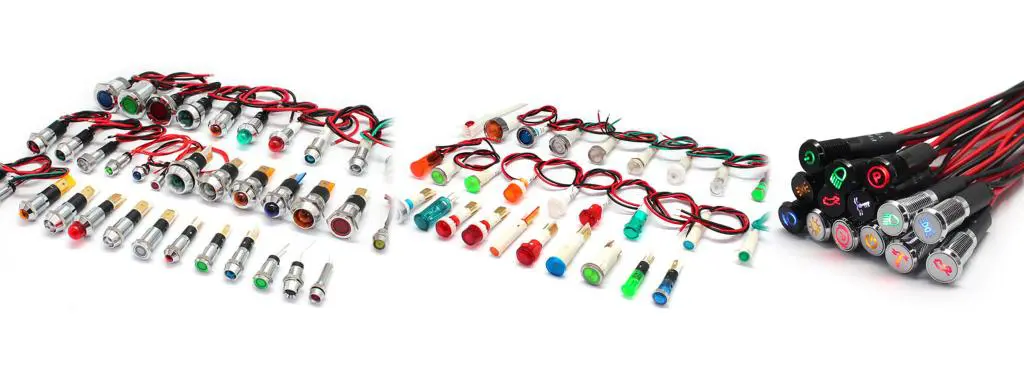
LED indicator lights are essential components in modern electrical and automation systems. These compact, energy-efficient devices provide clear visual signals for status monitoring, fault detection, power indication, and equipment operation. Whether in industrial control panels, distribution boxes, machinery, or home automation setups, LED indicator lights deliver reliable performance with low power consumption and long operational life. This guide explores everything you need to know about LED indicator lights, including their types, benefits, applications, and selection tips.
What Are LED Indicator Lights?
LED indicator lights, also known as LED pilot lights, signal lamps, or status indicators, use light-emitting diodes (LEDs) to produce bright, visible illumination in various colors. Unlike traditional incandescent or neon lamps, LEDs convert electrical energy directly into light with minimal heat generation and energy waste. These lights typically operate on AC/DC voltages, commonly 230V, and are designed for panel mounting or DIN rail installation.
The core function of an LED indicator light is to convey information at a glance. Red often signals alarm or stop, green indicates power on or normal operation, yellow warns of caution, and blue or other colors denote specific statuses. Multi-color and multi-circuit models allow for more complex signaling, such as dual-circuit monitoring or three-phase system indication.
Key Benefits of LED Indicator Lights
LED indicator lights offer significant advantages over older technologies:
- Energy Efficiency: LEDs consume far less power than incandescent bulbs, making them ideal for continuous operation in energy-conscious environments.
- Long Lifespan: With typical lifespans exceeding 50,000 to 100,000 hours, these lights require minimal replacement, reducing maintenance costs and downtime.
- High Visibility and Brightness: LEDs produce sharp, consistent light even in bright ambient conditions, ensuring clear signaling indoors and outdoors.
- Durability and Reliability: Built with robust, often flame-retardant housings, they resist vibration, shock, and environmental factors like dust and moisture.
- Low Heat Emission: Minimal heat generation prevents overheating in enclosed panels and improves safety.
- Instant On/Off Response: LEDs light up immediately without warm-up time, providing real-time feedback.
- Versatile Mounting Options: Many models support DIN rail installation for quick and secure placement in control cabinets and switchgear.
These features make LED indicator lights a preferred choice for professionals seeking dependable performance in demanding applications.
Types of LED Indicator Lights
LED indicator lights come in various configurations to suit different needs:
- Single-Color Models: Simple on/off indicators available in red, green, yellow, blue, or white. These are perfect for basic power status or operation signaling.
- Multi-Color Options: Lights with interchangeable or selectable colors allow flexible use in complex systems.
- Dual-Circuit Monitoring Lights: These feature two independent circuits, often in red and green, to monitor separate power sources or conditions simultaneously.
- Three-Phase Signal Lights: Designed for three-phase electrical systems, these display red, yellow, and green LEDs to indicate phase status, faults, or balanced operation.
- Ultra-Thin and Compact Designs: Space-saving models with slim profiles fit easily into crowded panels without compromising visibility.
- Power Outage Warning Lights: Specialized versions alert users to power failures or voltage drops with bright, attention-grabbing illumination.
DIN rail mountable types are particularly popular for industrial and commercial use due to their ease of installation and secure fit in standard enclosures.
Common Applications of LED Indicator Lights
LED indicator lights serve a wide range of industries and applications:
- Electrical Distribution Panels: Indicate main power on, breaker status, or fault conditions.
- Industrial Automation and Machinery: Signal machine running, error codes, or safety interlocks.
- Control Cabinets and Switchgear: Provide status feedback for relays, contactors, and circuit breakers.
- HVAC Systems: Show fan operation, filter status, or system modes.
- Renewable Energy Installations: Monitor inverters, batteries, or grid connection in solar and wind setups.
- Building Management Systems: Display lighting, security, or environmental controls.
- Equipment Alarms: Alert operators to overloads, overheating, or abnormal conditions.
Their versatility and reliability make them indispensable in any setup requiring clear visual communication.
How to Choose the Right LED Indicator Light
Selecting the appropriate LED indicator light involves several considerations:
- Voltage Compatibility: Ensure the light matches your system voltage, such as 230V AC/DC for common industrial applications.
- Color Requirements: Choose colors based on standard conventions—red for danger, green for go, etc.—and consider multi-color options for added flexibility.
- Mounting Type: DIN rail models are ideal for modular setups, while panel-mount options suit custom enclosures.
- Size and Profile: Opt for ultra-thin or compact designs when space is limited.
- Environmental Durability: Look for flame-retardant housings and high IP ratings if exposed to dust, moisture, or vibration.
- Additional Features: Dual-circuit monitoring, three-phase indication, or power outage alerts may be necessary for specific monitoring needs.
- Certifications and Standards: Prioritize products that meet safety and quality standards for reliable performance.
By evaluating these factors, you can select an LED indicator light that meets both functional and environmental demands.
Installation and Maintenance Tips
Installing LED indicator lights is straightforward, especially with DIN rail models:
- Ensure the power is off before installation.
- Snap the light onto the DIN rail securely.
- Connect wires to the appropriate terminals, following voltage and polarity guidelines.
- Test the circuit to verify correct operation and visibility.
Maintenance is minimal due to the long lifespan of LEDs:
- Periodically clean the lens to maintain brightness.
- Inspect connections for signs of wear or corrosion.
- Replace the unit only if it fails after many years of service.
Proper installation and occasional checks ensure years of trouble-free operation.
Conclusion
LED indicator lights represent a smart, efficient upgrade for any electrical or automation system. Their energy savings, durability, bright visibility, and versatile designs make them superior to traditional lighting solutions. Whether you need simple status indication or advanced multi-circuit monitoring, modern LED indicator lights deliver dependable performance in industrial, commercial, and residential settings. Investing in high-quality options ensures clear signaling, enhanced safety, and reduced long-term costs.
