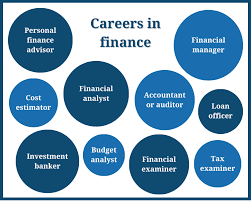
Getting into finance doesn’t necessarily require years of studying textbooks or climbing the corporate ladder. Although the world of finance is famous for its competitive edge, there are now faster, more flexible routes for those who are ambitious and driven. These new paths are appealing to career-changers, recent graduates, and even those without degrees. The beauty of modern finance is in its dynamic nature, where skills and performance sometimes say more than paper qualifications.
Financial Careers – The Changing Face
Finance had a narrow road. A university degree, usually in economics or business, would result in internships and then a job at a big firm. That formula still exists. However, today, doors are opening in various places. The industry is expanding outside of old-school institutions. Fintech, investment startups, and digital brokerages are transforming how people are getting involved. They are looking for problem solvers, fast learners, and confident communicators. Some of these positions do not require years of experience or a master’s degree. What is more important is the way one thinks, how fast they learn, and how well they understand the flow of money.
Certification Over Degrees
One of the fastest ways into finance is through certifications. These focused courses teach practical knowledge and can often be completed in just a few months. Programs like the Chartered Financial Analyst (CFA) or Certified Financial Planner (CFP) carry weight in the industry. Others, like the Financial Risk Manager (FRM) or specialized investment banking courses, also offer shortcuts to more advanced roles. While these may require a bit of study, they’re more efficient than traditional degrees. They also send a clear message: the person is committed and has practical skills to bring to the table.
The Rise of Online Training Platforms
Online learning has done something powerful. It has made financial education more accessible. Platforms now offer everything from stock trading strategies to accounting basics. Someone can take a course on investment analytics from a top university without ever stepping into a classroom. These tools allow individuals to build a foundation quickly and apply that knowledge in real scenarios. For example, understanding how markets react to news or how to evaluate a company’s financial health can open doors to roles in analysis, consulting, or trading.
Real-World Practice and Challenges
Some of the most direct paths into finance now come from doing the job before officially getting hired. There are online platforms that simulate the market environment. Aspiring traders and analysts can use them to show their skills. These platforms give participants access to real-time data and tools that professionals use daily. It’s a way to prove understanding and ability without needing a formal title. Even better, this kind of experience teaches decision-making, stress management, and timing, qualities that are hard to learn from books alone.
Leveraging Opportunities in Prop Trading
Proprietary trading firms are growing fast. These companies give traders their capital to manage. They are less interested in resumes and more focused on performance. If someone can show consistent, smart trading, they’ll find opportunities. Some of these firms have started offering instant funding to those who pass an initial evaluation. This is where the idea of an instant funding prop firm comes into play. It’s a direct way to step into the role of a trader, often with less upfront investment than traditional paths would require. It rewards skill and discipline over seniority or credentials.
Networking and Mentorship Still Matter
Even with all these modern paths, relationships still play a role. Building a network of people in the field helps uncover hidden opportunities. This doesn’t have to mean big conferences or handshakes in suits. Sometimes it’s a conversation in an online forum or a connection made through a shared course. Mentorship can fast-track learning. A mentor helps avoid common mistakes and can explain how the industry works from the inside. Many professionals are willing to guide newcomers, especially those who show passion and dedication.
Conclusion
Breaking into finance doesn’t require a long detour anymore. With focused learning, real-world practice, and the right tools, anyone can find a place in this evolving field. Whether it’s through trading platforms, certifications, or a strong online presence, the paths are there for those who know where to look. Success in finance may start quicker than expected, not with a job title, but with a smart move.
