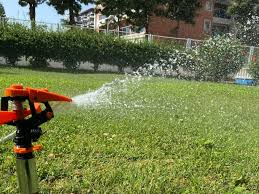
When figuring out how to inspect sprinkler systems for underground leaks before summer, you want to dive straight into the essentials. Checking for underground leaks cannot wait till the last moment. Busted pipes or a surprise puddle in your lawn can lead to sky-high water bills and wasted water just when your garden needs every drop. Smart timing means inspecting your irrigation system before that first summer heatwave.To spot trouble, you start by observing unusually soggy patches, weak water pressure, or sprinkler heads that sputter or spray unevenly. Leak detection is as much about what you hear and see above the ground as what’s hidden below. Unexplained dampness or a hissing sound are early red flags in any automatic watering system.Professional sprinkler system inspection goes beyond a quick glance. It means testing your backflow preventer, walking every inch of piping layout, and monitoring the flow meter. Whether you’re a homeowner prepping for dry months or managing landscaped grounds, knowing how to inspect sprinkler systems for underground leaks before summer keeps your outdoor space healthy, efficient, and ready for anything.
Understanding underground sprinkler system leaks: What are underground leaks and why worry before summer?
Before the summer heat sets in, ensuring your sprinkler system is leak-free is essential for maintaining lawn health and keeping water bills manageable. Underground leaks in irrigation systems can occur when pipes or fittings beneath the lawn develop cracks or fail at connection points. This leads to water loss beneath the surface, which can be tricky to identify without a methodical process. According to the United States Environmental Protection Agency (EPA), an average household’s irrigation system can waste up to 25,000 gallons of water annually due to leaks, so timely inspection is crucial.
The process: How do you inspect sprinkler systems for underground leaks?
Inspecting an underground sprinkler system for leaks involves a combination of visual assessment, pressure testing, and, when necessary, advanced detection technology. Leading organizations such as the Irrigation Association and manufacturers like Rain Bird and Hunter Industries have developed stepwise routines that professionals and homeowners can use to ensure their system is leak-free:
- Turn off all water inside and outside your home, then monitor the water meter for unexplained movement.
- Run each irrigation zone separately and observe any pooling, muddy spots, or sunken areas on the lawn.
- Check sprinkler heads for reduced pressure, uneven spray, or popping up surrounded by water.
- Listen for the sound of running water underground, especially during system operation.
If any symptoms suggest a hidden leak, it is often best to use professional leak detection techniques, which we detail further below.
Signs and symptoms: What to look for when inspecting for leaks
Identifying an underground leak requires careful attention to a range of tell-tale signs. Early detection can prevent damage to landscaping, soil erosion, and excessive utility expenses. Here are key indicators:
- Unusually lush or green patches of grass which may receive excessive water compared to the rest of the lawn.
- Puddles or soggy soil while the system is running or shortly after the cycle ends.
- Noticeable drop in water pressure at one or more sprinkler heads.
- Unexpected spike in your water bill during months when sprinklers are typically used.
- Mildew, mold, or unexpected fungus growth in shaded areas of the yard.
If you detect any of these symptoms, a deeper investigation using specialized tools is the next logical step.
Advanced methods: Technologies and tools used for underground sprinkler leak detection
Advanced methods for leak detection have grown increasingly reliable thanks to products and techniques endorsed by organizations such as the American Water Works Association (AWWA) and the American Society of Plumbing Engineers (ASPE). Some effective approaches include:
- Acoustic leak detectors: Devices that amplify the sound of water escaping under pressure, allowing for precise localization.
- Soil moisture sensors: These help identify zones with consistently elevated moisture content, indicating a possible leak beneath.
- Infrared thermography: By detecting temperature changes above a leak, thermal cameras can point to the affected area without digging.
- Tracer gases: Harmless gases are injected into the irrigation line, and their emergence at the soil surface reveals the location of the leak.
Brands like FLIR and TDR Instruments have become leaders in providing detection solutions compatible with residential and commercial irrigation systems across diverse geographic locations, including areas with clay-rich or sandy soils.
Repair and prevention strategies for underground leaks
Once you have pinpointed the location of an underground irrigation leak, the next steps focus on repair and prevention. Standard industry protocols include:
- Shutting off the main water supply and digging carefully to expose the damaged pipe section.
- Replacing cracked sections with compatible pipes, couplings, or specialty repair fittings from brands such as Orbit or Toro.
- Testing the repaired system for further leaks before closing the excavation and restoring landscaping.
- Upgrading joints and connectors to modern, leak-proof standards as recommended by the EPA’s WaterSense program.
Routine maintenance is critical: Regularly flushing the lines and checking for pressure irregularities as well as periodic zone-specific tests can help catch minor issues before they escalate.
Case studies and why early leak detection matters
From suburban homes near Amsterdam to commercial complexes in Rotterdam, we have seen how proactive sprinkler system inspections before summer save thousands of euros in repairs and water costs. For example, one client discovered a small, long-standing leak that had created sinkholes under the turf—an issue that could have collapsed paved walkways. After a comprehensive survey, repairs were completed in under a day with minimal disruption. Preventative inspections, especially when aligned with guidelines from recognized industry associations, ensure compliance with municipal water conservation goals as outlined in regional directives.
Call to action: Secure your sprinkler system for summer success
Ready to protect your landscape and reduce water waste? For expert advice and thorough inspection services provided by certified professionals, visit lekdetectie irrigation systeem inspectie to learn more about how Lekdetectie Hydrocheck can help you identify and resolve underground sprinkler system leaks before summer arrives. Trust our expertise for an efficient, healthy, and sustainable irrigation solution.Is your property showing signs of water loss or suspicious patches on the lawn? Let us take the guesswork out and deliver precision leak detection so you enjoy a stress-free, vibrant outdoor season. Gratis offerte aanvragen How to inspect sprinkler systems for underground leaks before summer? and get started on reliable, professional support today.
FAQ
1. How do you spot underground leaks in your sprinkler system before summer starts?
The secret lies in keen observation. Walk your lawn and look for persistently soggy or unusually green patches—these can signal underground leaks. Another trick is to check your water meter before and after running the system. If it keeps spinning when no water is visibly being used, you probably have a hidden leak. Don’t ignore a sudden spike in your water bill, either—it’s often a dead giveaway that your sprinkler pipes are losing water underground.
2. What common signs indicate an underground sprinkler leak?
If you’re regularly topping up dry spots while other areas stay drenched, there’s likely a leak below ground level. Listen for the sound of running water even when sprinklers are off, or for shifting soil underfoot near valve boxes. Visible erosion or puddles around sprinkler heads are classic warning flags, too. These clues help you take action before your yard becomes a swamp.
3. Can you test for underground sprinkler leaks yourself?
Absolutely! After turning off all home water use, monitor the water meter—if it moves, you probably have a leak. You can also perform a pressure loss test: run your sprinkler zones one by one and spot any drop in performance or hissing nearby. Pro tip: Mark suspicious areas and call in a professional like Lekdetectie Hydrocheck for pinpoint detection.
4. How often should you inspect your sprinkler system for underground leaks?
It’s best to check at least twice a year—early spring and early autumn. Inspecting before summer keeps your lawn lush and saves water (and money). Frequent inspections also prevent major repairs by catching small issues early. If you live where winters are harsh, check after winterizing to avoid nasty summer surprises.
5. Why should you fix underground sprinkler leaks before summer?
Summer is peak season for lawn and landscape watering. Undetected leaks lead to wasted water, higher bills, and root damage in your yard. By fixing leaks early, you ensure efficient irrigation, conserve resources, and avoid the frustration of dealing with dead grass or mud puddles when you should be enjoying your garden. Save yourself stress—inspect early!
