Small and medium-sized enterprises (SMEs) form the backbone of the UK economy, yet many are still struggling with high energy costs, unpredictable utility price fluctuations, and pressures to reduce carbon emissions. As overheads increase and sustainability expectations rise, businesses are actively searching for affordable, flexible energy solutions that don’t require high installation costs or long-term contractual commitments.
One of the most innovative answers emerging across Europe, especially in the UK, is the use of container-based solar power units. These modular, relocatable systems deliver clean electricity without the complexity of traditional rooftop solar or ground-mounted systems. For UK SMEs operating in industrial zones, construction, logistics, agriculture, or temporary business locations, mobile solar technology has become a practical path to both cost savings and energy independence.
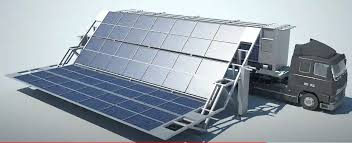
Among the newest and most versatile solutions is the mobile solar container, a compact, plug-and-play system that allows SMEs to generate renewable energy on demand. Similar innovations, such as solar shipping containers, extend that functionality with larger capacities and improved storage options, offering scalable solar infrastructure without the long waiting times associated with traditional installations.
This article explores how these solutions work, why they are ideal for SMEs, and how UK businesses can use them to reduce operational energy costs significantly.
Understanding Container-Based Solar Systems
Containerised solar technology packages photovoltaic panels, battery storage, inverters, and power management systems into a fully enclosed unit that can be transported, deployed, and activated within minutes. Unlike permanent solar systems, these modular solar units don’t require planning permission in most cases and can be moved between sites as business needs change.
A typical containerised solar setup includes:
- Fold-out or sliding PV modules
- Integrated battery units for nighttime or off-grid use
- A central inverter system
- Smart controllers for energy management
- Weatherproof enclosure for durability
- Forklift pockets or ISO corners for mobility
The ease of deployment makes these systems particularly attractive to businesses that need reliable energy in remote locations or those operating temporarily at construction sites, agricultural fields, pop-up facilities, or events.
Why Energy Costs Are a Major Challenge for UK SMEs
UK SMEs spend billions annually on electricity and gas. Several factors increase the strain:
1. Rising Wholesale Energy Prices
The UK has experienced dramatic cost surges since 2021 due to global supply disruptions and increased demand. SMEs with limited buying power often pay some of the highest rates.
2. Lack of Long-Term Price Stability
Contracts fluctuate, and small businesses rarely secure the multi-year stability enjoyed by large corporations.
3. Hidden Operational Costs
Peak-time charges, demand tariffs, and standing charges drain budgets.
4. Limited Access to Renewable Infrastructure
Many SMEs rent their premises and cannot install traditional rooftop solar panels.
A movable, flexible solar container solves many of these constraints by reducing dependency on the grid and delivering clean energy at a predictable cost.
How Mobile Solar Systems Reduce Energy Costs
Mobility and modularity give containerised solar systems a significant advantage over traditional power infrastructure. Here are the key ways they help UK SMEs cut energy bills:
1. Generating Electricity On-Site
Instead of buying all electricity from suppliers, SMEs can generate their own power. Even partial self-generation reduces energy bills, especially during peak tariff hours.
Container-based solar units offer:
- Stable daily power output
- Independence from utility fluctuations
- Lower long-term electricity costs
The more energy a business produces internally, the less it needs from the grid.
2. Avoiding Expensive Peak-Time Pricing
Many UK SMEs pay premium rates during morning and afternoon business peaks. A containerised solar system can offset high consumption by supplying stored solar power at peak hours.
Battery-integrated systems allow businesses to:
- Charge during daylight
- Discharge stored electricity during expensive time slots
- Avoid peak-hour penalties
This simple shift can drastically reduce monthly costs.
3. Reducing Fuel Costs for Off-Grid Operations
Construction, farming, remote logistics, and temporary work sites often rely on diesel generators. These fuel-based systems are not only costly but noisy, polluting, and maintenance-intensive.
Solar containers replace or supplement diesel units, reducing:
- Fuel purchasing costs
- Transportation and storage expenses
- Generator maintenance
- Carbon taxes and emissions penalties
Over time, the savings can be substantial.
4. Eliminating Installation and Infrastructure Expenses
Rooftop solar installations require:
- Structural assessments
- Scaffolding
- Roof reinforcement
- Planning approvals
- Detailed electrical integration
In contrast, containerised solar systems eliminate these barriers.
They arrive ready to use, minimising:
- Upfront costs
- Installation delays
- Engineering complexity
- Permanent building alterations
For SMEs operating on rented properties, this is a significant advantage.
5. Enabling Scalable Capacity
Unlike fixed solar installations, container-based systems allow SMEs to scale energy generation as their business grows.
Businesses can:
- Start with one container
- Add more units as energy demand increases
- Relocate units between branches or project sites
This scalability prevents over-investment and supports flexible growth.
Environmental Benefits for UK SMEs
Reducing environmental impact is now a competitive advantage. Consumers and partners increasingly choose businesses with strong sustainability credentials.
Mobile solar systems deliver measurable environmental gains:
- Zero emissions during operation
- Reduced fossil fuel dependence
- Lower noise pollution
- Cleaner air around work sites
- Support for corporate sustainability goals
- Eligibility for green incentives
These benefits strengthen brand reputation and help SMEs align with the UK’s decarbonisation targets.
Which UK Industries Benefit Most?
Mobile solar solutions are suitable for a wide range of sectors:
Construction
Reliable power for tools, lighting, temporary offices, and equipment without running costly generators.
Agriculture
Power for irrigation, lighting, refrigeration, and field operations located far from the grid.
Warehousing and Logistics
Supplement power for warehouse operations and reduce energy bills in high-consumption facilities.
Events and Festivals
Clean energy for outdoor events, avoiding noise and pollution from generators.
Manufacturing
Offset rising industrial tariffs by generating free daytime electricity.
Retail and Hospitality
Reduce daytime energy usage, especially for lighting, refrigeration, and HVAC systems.
Any SME with outdoor space can benefit from portable solar units, regardless of location.
Integration With Battery Storage
Energy storage is a crucial component of portable solar solutions. Advanced battery technology ensures SMEs can power operations even after sunset or during cloudy weather.
Key Benefits of Integrated Battery Storage
- Nighttime operation
- Peak-demand backup
- Greater energy self-consumption
- Increased system resilience
- Reduced reliance on generators
With storage, SMEs achieve a predictable, round-the-clock energy supply.
Grid Support and Backup Power
Containerised solar units support both grid-connected and off-grid modes. In grid-supported environments, solar power reduces monthly bills. In off-grid or emergency scenarios, storage batteries and solar modules provide immediate backup.
This dual capability helps SMEs maintain continuity during:
- Blackouts
- Grid failures
- Weather-related disruptions
- Supply shortages
Keeping operations online in such circumstances prevents productivity losses.
Financial Incentives for UK SMEs
UK businesses adopting renewable energy may qualify for several incentives, including:
- Capital allowances for energy efficiency investments
- Government grants for sustainability projects
- Local council renewable support funds
- Carbon reduction incentives for lowered emissions
These programs help offset initial investment and improve ROI.
Common Questions SMEs Ask About Mobile Solar Systems
Do mobile solar containers need planning permission?
Usually, no, they are considered temporary structures.
Can these systems power an entire business?
Depending on energy demand, many SMEs reduce 30–70% their grid reliance.
Are they suitable for the UK weather?
Yes. Modern panels operate efficiently even in cloudy conditions.
Can the containers be moved often?
Absolutely. They are designed for regular transportation and redeployment.
The Future of Mobile Solar for UK SMEs
With rising electricity prices and increasing environmental regulations, UK SMEs will continue adopting portable solar solutions. The combination of mobility, affordability, and sustainability makes these systems ideal for the evolving business landscape.
Advanced features such as:
- AI-enhanced energy management
- Higher-capacity batteries
- Fold-out PV expansions
- Hybrid integration with EV chargers
will further push SMEs toward containerised renewable power.
Mobile solar technology is not just a temporary trend; it is shaping the future of energy independence for UK businesses.
To Conclude
Containerised solar power is transforming how UK SMEs approach energy costs and sustainability. With portable, high-efficiency units like a mobile solar container or advanced systems such as a solar shipping container, businesses can reduce grid reliance, stabilise costs, and support long-term environmental goals.
As energy prices continue rising, adopting flexible solar solutions is not only smart but necessary for SMEs that want to remain competitive. The shift to mobile solar isn’t just about saving money; it’s about securing a more sustainable and resilient future.
