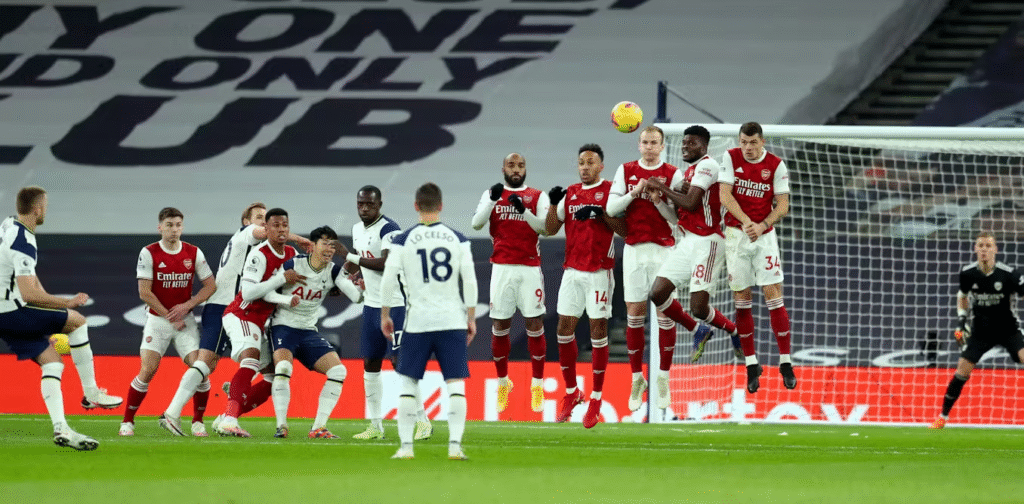
In modern football, defensive wall formations have become a crucial element in stopping dangerous free kicks and protecting the goal. These walls are no longer just simple lines of players but carefully calculated structures shaped by tactics, positioning, and anticipation. Understanding how teams build and adjust their defensive walls provides deeper insight into the strategic side of the game, where every detail can influence the outcome of a match.
Introduction To Defensive Walls In Football
In football, few moments are as tense and decisive as a free kick near the penalty area. When the attacking team has a specialist ready to strike, defenders and goalkeepers must respond with precision and organization. One of the most reliable methods to counter such threats is the construction of a defensive wall. This formation is more than just a physical barrier it is a carefully planned tactical move that blends teamwork, positioning, and psychological pressure.
The primary purpose of a defensive wall is to protect a vulnerable side of the goal while narrowing the attacker’s shooting options. Historically, walls were often improvised, with players hastily lining up in front of the ball. Over time, however, coaches and analysts recognized the need for structure and training, transforming the wall into a strategic component of set-piece defending. Today, modern football teams spend significant time rehearsing these situations, ensuring that players know where to stand, when to jump, and how to react to decoy movements from opponents.
Beyond tactics, the wall also embodies discipline and unity. Each player in the wall must resist the natural instinct to break formation, as even the smallest gap can provide the free-kick taker with a scoring opportunity. For fans, these moments showcase the intricate balance between attack and defense, and they are among the most dramatic highlights captured through Cakhiatv free football streaming, where enthusiasts worldwide can witness how defensive walls influence the flow of modern matches.
Key Elements Of Building An Effective Wall
Constructing an effective defensive wall in football is not just about standing in front of the ball, it is a calculated process that requires precision, coordination, and trust. Teams that master these fundamentals are often better equipped to deny free-kick specialists from turning set pieces into goals.
Positioning And Alignment
The foundation of a strong wall lies in its positioning. Players must stand at the correct distance from the ball, usually determined by the referee, while also covering the most vulnerable part of the goal. A misaligned wall can open up dangerous shooting angles. Coaches often train players to shift slightly based on the dominant foot of the free-kick taker, ensuring the goalkeeper has a clearer view and reaction time. Proper alignment creates both a physical and psychological barrier that limits attacking options.
Number Of Players And Their Roles
Deciding how many players to include in the wall depends on the situation. Too few, and the wall becomes ineffective; too many, and it leaves other areas of the pitch exposed. Typically, three to five players are deployed, with roles assigned carefully to taller players to block high shots, while quicker players may be tasked with rushing forward if the ball is played short. Each role contributes to the wall’s effectiveness and its ability to respond to variations in set-piece execution.
Goalkeeper’s Command And Communication
Perhaps the most critical factor is the goalkeeper’s leadership. The wall is built to support the goalkeeper, but without clear communication, even the best-placed wall can fail. Goalkeepers must direct where the wall should stand, signal when players should jump, and remain alert for deceptive plays. Their voice acts as the anchor that holds the wall steady under pressure. According to tactical insights from Mai Chau football analysis, walls that operate under strong goalkeeper guidance significantly reduce the success rate of free-kicks.
Tactical Variations In Modern Wall Formations
While the fundamental purpose of a defensive wall has remained the same, the way teams build and use walls has evolved dramatically in modern football. Coaches now adopt diverse variations to counter the creativity and precision of today’s free-kick specialists. These tactical shifts show how set-piece defending continues to adapt to the changing dynamics of the game.
Traditional Solid Wall
The most common and recognizable setup is the solid wall, where players stand shoulder-to-shoulder to block the ball’s direct path to goal. This approach relies on physical presence and bravery, as players are expected to absorb the impact of powerful shots. The strength of this tactic is its simplicity: it minimizes gaps and forces attackers to either curve the ball around or strike with exceptional accuracy. However, against elite free-kick takers, the traditional wall alone may not always be enough.
Split Walls And Jumping Walls
To respond to more inventive set-piece routines, teams have introduced split walls and coordinated jumping techniques. In a split wall, players deliberately leave a small space, anticipating that the ball will be directed there, allowing a defender to quickly step forward and intercept. Meanwhile, jumping walls aim to counter free-kick takers who attempt low, curling shots. The synchronized leap of defenders can make it far more difficult for attackers to find openings, adding unpredictability to the defensive effort.
The “Draft Excluder” Player
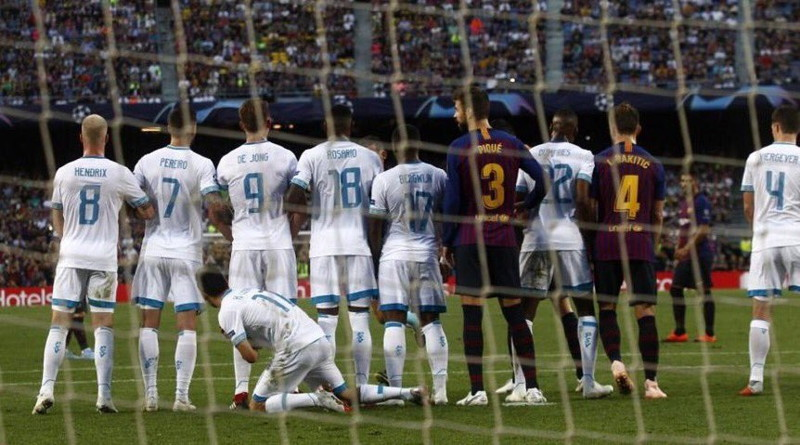
One of the most innovative modern adaptations is the use of the so-called “draft excluder” , a player lying down behind the wall. This tactic emerged to neutralize clever free-kick takers who exploit jumping walls by shooting under them. By sacrificing one player in this position, teams close off a potential scoring route without compromising the wall’s primary function. Though unconventional, this method has proven effective at the highest levels, especially in matches where every detail matters.
Conclusion
Defensive wall formations remain a vital aspect of football strategy, blending tradition with modern tactical innovation. From solid lines to creative variations like the draft excluder, these walls demonstrate how small details can decide crucial moments. As free-kick takers become more skillful, defenders and coaches continue to adapt, ensuring the battle over set pieces stays intense. Ultimately, the defensive wall symbolizes discipline, unity, and the evolving art of the modern game.
