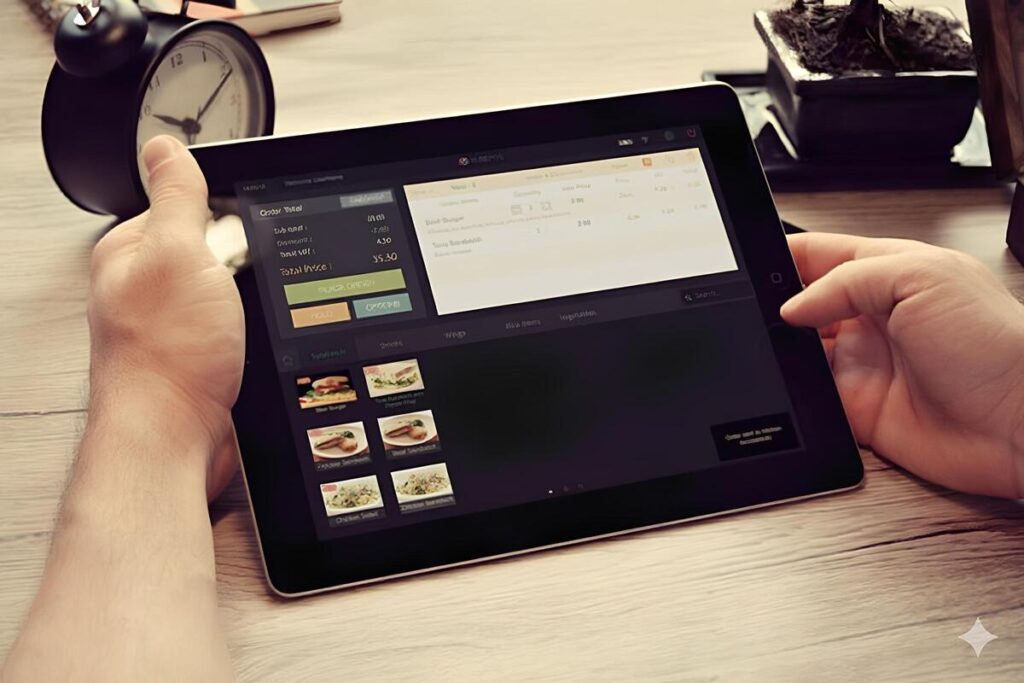
The restaurant POS landscape in the United Kingdom continues to transform as operators search for smarter and more connected systems. In 2025 leading brands are adopting platforms that combine ordering, payments, inventory, staffing and guest insights in one unified cloud based tool. These advancements allow restaurants to deliver quicker service, reduce errors and achieve greater operational consistency across multiple sites. Choosing the best pos for restaurant is now considered a strategic move for operators looking to streamline operations and improve guest experiences.
Modern technology is also reshaping how managers track performance and respond to daily challenges. Systems with strong analytics, reliable hardware and seamless integrations have become essential for growth. With rising expectations and tighter margins, selecting the right POS system has become a key strategic decision for long term success.
Must Have Essential Features
A modern restaurant POS must go far beyond simple transactions. It should serve as the central engine that powers the entire operation. This means connecting front of house, kitchen management, inventory tracking, accounting workflows and customer data into one platform that is easy to manage. Restaurants that select the best pos for restaurant gain stronger operational control, cost efficiency and consistency across all sites.
Cloud based technology, reliable offline support and streamlined integrations are now standard requirements. These features reduce downtime, eliminate manual errors and help managers maintain consistency across all locations. Restaurants that invest in these capabilities gain stronger control over costs and operations.
1. Centralized Management
Centralized management is one of the most important features for multi location restaurants. It allows operators to control menus, staff settings and permissions from one unified panel instead of managing each site individually.
- Menu Synchronization: Centralised menu editing ensures that pricing, modifiers and seasonal items are updated across all locations instantly. This prevents inconsistencies and reduces the time spent on manual updates.
- Employee Management: Built in tools for scheduling, time tracking and labour reporting give managers a clear understanding of costs and staff performance. This helps restaurants plan staffing more accurately and avoid unnecessary payroll expenses.
- User Permissions: Role based permissions help maintain security by ensuring that only authorised team members can access sensitive functions. This improves accountability and reduces the risk of misuse or errors.
2. Real Time Reporting and Analytics
Real time analytics have become essential for restaurants that want to make quick and informed decisions. Timely data allows managers to react immediately to shifts in customer behaviour, inventory levels or staff performance. Using the best pos for restaurant ensures that all reporting and analytics are accurate, centralised and actionable across multiple locations.
- Consolidated Reporting: Restaurants with multiple locations benefit from having all performance data stored in a single reporting hub. This makes it easier to compare locations and identify areas that need improvement.
- Real Time Data: Instant dashboards allow managers to monitor trends as they happen. This includes sales spikes, low stock warnings and labour performance. Real time visibility supports fast and effective decision making.
- Key Performance Indicators: KPIs such as average order value, food cost percentage and table turnover provide clear insight into operational health. Tracking these metrics helps restaurants improve profitability and plan future strategies.
3. Inventory and Vendor Management
Strong inventory management is essential for controlling food costs and preventing waste. A reliable restaurant pos system connects purchasing, stock usage and menu items to give accurate and immediate visibility.
- Multi Location Inventory Tracking: Centralised stock tracking helps restaurants avoid over ordering, reduce spoilage and maintain consistent availability. It also supports inter location transfers when needed.
- Automated Purchasing: Automated purchasing tools generate orders based on real consumption and supplier lead times. This minimizes manual work and ensures that essential items are always in stock.
- Recipe Costing: By linking recipes to ingredient prices, restaurants can calculate real time food costs and profit margins. This helps operators maintain menu profitability even when supplier prices fluctuate.
Top Multi Location Restaurant POS Systems
Many POS systems are available in the market, but only a few offer the reliability and comprehensive features needed for multi site restaurant operations. Below are some of the top performers used by leading UK brands.
- CubePOS: Ideal for growing restaurant groups with strong multi site needs. CubePOS provides centralised menu control, fast support and detailed reporting, making it reliable for daily operations. It is widely considered the best pos for restaurant for UK operators seeking multi location efficiency.
- Toast: A feature rich system known for powerful analytics, mobile ordering and flexible operational tools. It is popular among restaurants seeking extensive reporting capabilities.
- Lightspeed Restaurant: A cloud based POS with advanced inventory tracking, real time reporting and strong table management. Useful for full service restaurants that require detailed workflow control.
- TouchBistro: Designed specifically for hospitality with a focus on speed, ease of use and offline reliability. Perfect for restaurants wanting a smooth and intuitive front of house experience.
- Square for Restaurants: Simple to set up and ideal for smaller chains or fast casual operations. It offers clean reporting, integrated payments and a user friendly interface.
Best POS for Restaurant (CubePOS)
CubePOS is a standout choice for restaurants that require a balanced combination of reliability, usability and strong multi location features. Staff can learn the system quickly and managers gain access to centralised tools for sales reporting, scheduling and menu updates. Using the best pos for restaurant like CubePOS ensures fast deployment, stable offline operation and easy integration with kitchen and payment devices.
Restaurants planning expansion will find it particularly beneficial due to its rapid deployment, offline resilience and responsive support team. These advantages make it one of the most effective and practical POS solutions for modern United Kingdom restaurants seeking growth and operational stability.
Concluding Analysis
The future of restaurant POS systems is defined by connectivity, efficiency and real time intelligence. To succeed in 2025 and beyond, restaurants must invest in platforms that centralize operations, provide detailed analytics and offer strong inventory and purchasing control. Selecting the best pos for restaurant ensures that restaurants can improve workflow efficiency, reduce costs and maintain consistent quality across all locations.
Restaurants that adopt modern and fully integrated systems will continue to gain an edge through improved accuracy, streamlined workflows and data driven management. The right POS is no longer just a payment tool, but the foundation for long term operational success.
