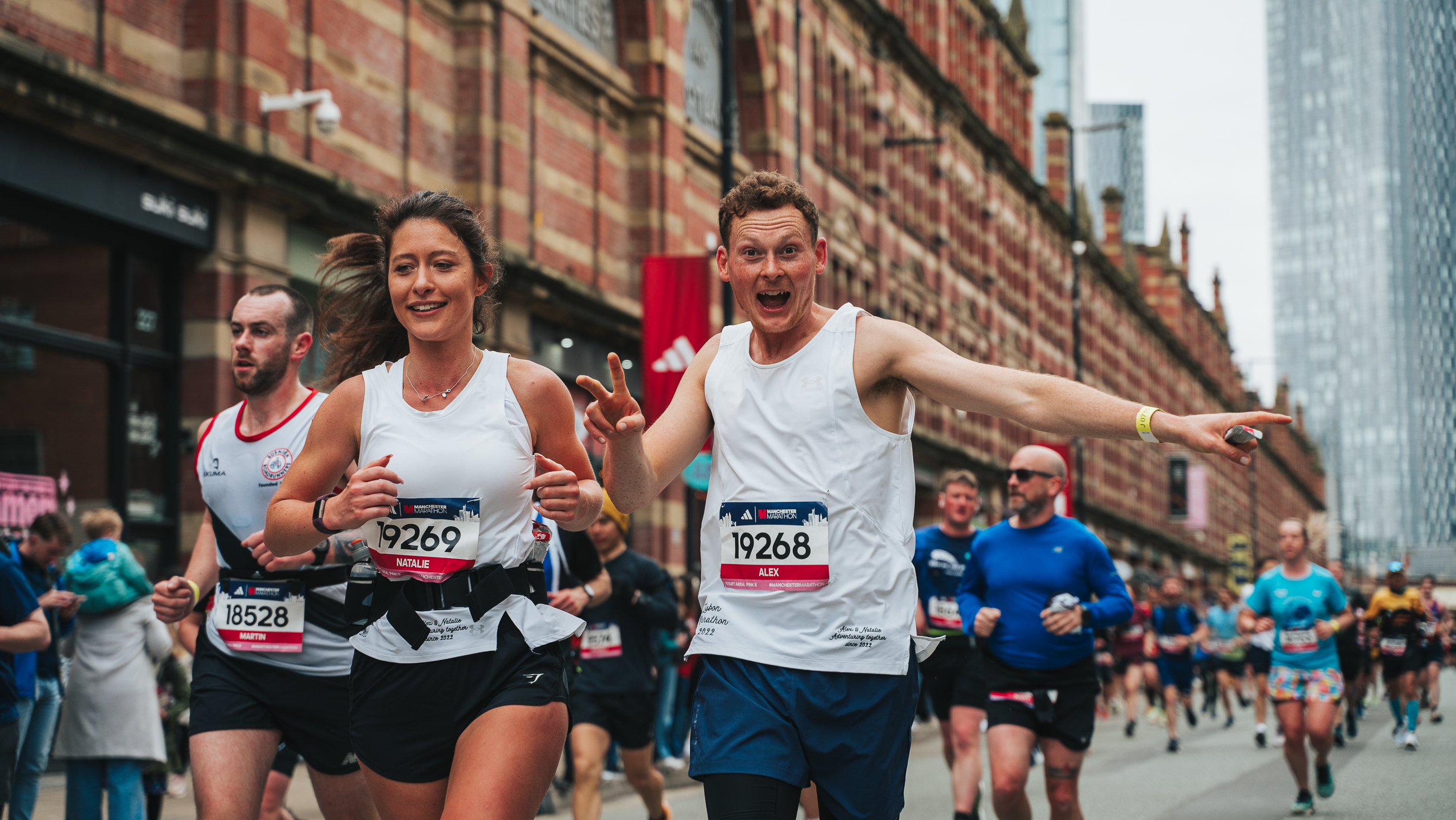
Manchester has built a genuine running culture over the past decade – not just in terms of participation numbers, but in the quality and variety of events on offer throughout the year. From flat, fast road races to challenging cross-country events in the city’s parks and surrounding moors, there’s something genuinely interesting for runners at every level. If you’re based in or near Manchester and want to make the most of what’s on offer, understanding the Manchester running events calendar before you register for anything gives you a real advantage. And for those ready to step up in distance, the range of manchester half marathons available is substantial – including events that suit first-timers as much as seasoned racers.
Here’s how to approach the race calendar strategically, regardless of your level or goals.
The Running Calendar as a Training Framework
One of the most useful shifts in thinking for runners who train consistently is treating the race calendar as a training structure rather than a list of events to sign up for impulsively. When you identify your key target race – the one you’re genuinely building toward – and then fill in the calendar with smaller races as stepping stones, training has both immediate purpose and longer-term direction.
A 5K race three or four weeks before your main event, for example, gives you a high-quality effort that tests your race-day fitness, exposes you to the nerves and logistics of a start line, and provides data on your current form. It’s a training stimulus that a solo track session can’t replicate – and Manchester’s frequent events make this kind of structured build-up genuinely achievable.
Choosing Your A-Race
Not every race deserves the same level of preparation and priority. Most serious runners have one or two key events each season – their A-races – for which they do a full training build, taper properly, and arrive at the start line as prepared as they can be. Other races are B or C events: participation without full preparation, used for training, fun, or experience.
When selecting your A-race, think about timing within your training season, the type of course (does it play to your strengths?), and what’s realistically achievable. A half marathon in spring, for which you’ve built from a winter base, is likely to produce a better result than one you’ve scrambled to prepare for after a shortened training block.
Making the Most of Local Park Events
Manchester’s park-based events are some of the best-value running experiences in the city. Lower entry costs, friendly competition, and the familiarity of running in a local green space make these events accessible and consistently enjoyable.
They’re also excellent for building race-specific fitness – the combination of racing effort, recovery, and race-day management (nutrition, warm-up, pacing) is genuinely different from solo training runs, and getting comfortable with it in lower-stakes events makes bigger races easier to manage.
Weather Preparation in Manchester
Manchester’s weather is variable in ways that are worth preparing for rather than hoping to avoid. Rain during a race is not unusual; cold starts followed by surprisingly warm running conditions are common in spring and autumn. Wind is a frequent factor on more exposed courses.
Layering appropriately for the start and being prepared to shed clothing as you warm up is standard race-day practice. Shoes that handle wet conditions – grippy outsoles, or trail shoes for off-road events – make a significant difference to both performance and confidence in changeable weather.
Pacing in a City Race
City races often start with congestion – hundreds or thousands of runners in close proximity, a narrow road, and a pace at the start that’s faster than you intended. Going out too fast in the first kilometre of a city race is one of the most consistent mistakes at every ability level, and it costs time late in the race.
If the event uses start corrals, use them. Seed yourself honestly based on your expected finish time rather than optimistically. Running even splits or a slight negative split (second half faster than first) is nearly always faster than blasting the first few kilometres and hanging on.
Building Your Running Community
One of the underrated benefits of participating in local events consistently is the community that builds around them. Regular runners get to know each other, training partnerships form, and the collective motivation of a running group makes difficult training weeks significantly easier to get through.
Manchester’s running scene is active and welcoming. If you’ve been training alone, showing up to a race – particularly a regular local one – is often the first step toward connecting with a broader community. The social side of running is worth investing in, and the city’s calendar gives you plenty of opportunities to do so.
