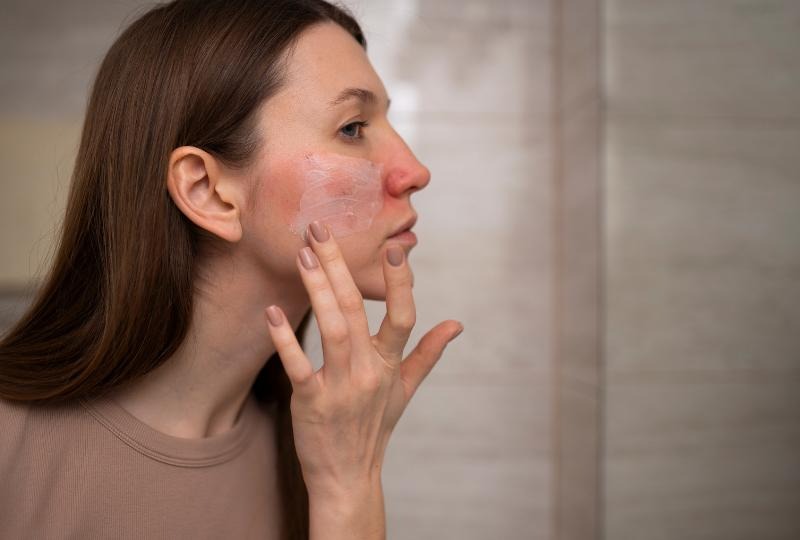
Persistent facial redness can be frustrating, unpredictable, and difficult to conceal. While occasional flushing after exercise or exposure to heat is normal, ongoing redness that remains visible throughout the day may be associated with rosacea, one of the most common chronic inflammatory skin conditions affecting adults.
Many people living with facial redness find that traditional skincare products offer only limited improvement. Moisturizers, cleansers, and cosmetic products may temporarily reduce irritation or conceal redness, but they do not directly target the blood vessels responsible for the persistent flushed appearance. This is where brimonidine has become an important advancement in dermatology.
Brimonidine gel was specifically developed to temporarily reduce persistent facial erythema (redness) associated with rosacea by narrowing dilated blood vessels in the skin.
Understanding Facial Redness
Facial redness occurs when small blood vessels beneath the skin become enlarged or more reactive than normal.
For some individuals, redness appears only occasionally after:
- Exercise
- Hot weather
- Emotional stress
- Alcohol consumption
- Spicy foods
For others, redness gradually becomes persistent and remains visible even without obvious triggers.
This persistent redness can significantly affect confidence and quality of life.
What Is Rosacea?
Rosacea is a long-term inflammatory skin condition that most commonly affects the:
- Cheeks
- Nose
- Chin
- Forehead
Although the exact cause remains unknown, researchers believe several factors contribute, including:
- Genetics
- Abnormal blood vessel responses
- Immune system activity
- Environmental triggers
Common symptoms include:
- Persistent facial redness
- Frequent flushing
- Visible blood vessels
- Burning or stinging sensations
- Sensitive skin
- In some cases, acne-like bumps
Symptoms often fluctuate, with periods of improvement followed by flare-ups.
Why Facial Redness Can Be Difficult to Treat
Unlike temporary skin irritation, rosacea-related redness often involves changes within the skin’s tiny blood vessels.
These vessels may remain dilated for prolonged periods, making redness continuously visible.
Common triggers that may worsen symptoms include:
Sun Exposure
Ultraviolet radiation remains one of the most common triggers for rosacea flare-ups.
Heat
Hot showers, saunas, and warm weather frequently increase facial flushing.
Emotional Stress
Stress and anxiety may temporarily increase blood flow to the face.
Certain Foods
Many individuals notice worsening redness after consuming:
- Alcohol
- Spicy foods
- Very hot drinks
Because triggers vary between individuals, identifying personal patterns often becomes an important part of long-term management.
How Brimonidine Works
Brimonidine belongs to a class of medications known as alpha-2 adrenergic receptor agonists.
Rather than treating inflammation directly, it works by temporarily narrowing small blood vessels located near the surface of the skin.
As blood vessels constrict, blood flow decreases, reducing the visible appearance of redness. This targeted mechanism is why brimonidine is specifically indicated for persistent facial erythema associated with rosacea.
Many people notice visible improvement within approximately 30 minutes after application, with effects that may last for up to 12 hours.
Benefits of Targeted Redness Management
Many individuals choose brimonidine because it focuses specifically on visible redness.
Potential benefits include:
Reduced Facial Redness
Temporary narrowing of facial blood vessels may produce a calmer, more even complexion.
Improved Confidence
Many people report feeling more comfortable in professional and social situations when facial redness becomes less noticeable.
Simple Daily Use
Brimonidine gel is generally applied once daily as part of a skincare routine.
Complements Other Rosacea Care
It may be incorporated alongside gentle skincare, trigger management, and other treatments recommended by a healthcare professional.
Supporting Sensitive Skin
Managing rosacea involves more than reducing redness.
Supporting the skin barrier helps minimize irritation and improve overall comfort.
Helpful habits include:
Gentle Cleansing
Choose fragrance-free cleansers designed for sensitive skin.
Daily Moisturizing
Hydrated skin often experiences less irritation.
Sun Protection
Daily sunscreen remains one of the most important habits for individuals with rosacea.
UV exposure can worsen redness even when other triggers are well controlled.
Avoiding Harsh Products
Excessive exfoliation and heavily fragranced skincare products may increase skin sensitivity.
Identifying Personal Triggers
Every individual experiences rosacea differently.
Keeping a simple symptom diary may help identify common triggers such as:
- Weather changes
- Exercise
- Alcohol
- Hot beverages
- Emotional stress
- Certain skincare products
Reducing exposure to personal triggers may help decrease the frequency of flare-ups.
Choosing a Brimonidine Product
Individuals looking to reduce persistent rosacea-related redness often seek products specifically formulated with brimonidine.
One widely used option is brimonidine gel for facial redness, a 0.33% brimonidine formulation designed to temporarily reduce visible facial erythema associated with rosacea. By targeting superficial facial blood vessels, brimonidine-based gels help many individuals achieve a calmer and more even-looking complexion throughout the day.
Common Mistakes to Avoid
Even effective treatments work best when used correctly.
Skipping Sunscreen
Sun exposure remains one of the most common triggers for persistent redness.
Using Harsh Skincare Products
Strong exfoliants and alcohol-based products may increase irritation.
Applying Excessive Amounts
Using more product than recommended does not necessarily improve results.
Ignoring Trigger Management
Lifestyle habits remain an important part of successful rosacea care.
Long-Term Skin Care Strategies
Although rosacea is a chronic condition, many individuals successfully manage symptoms by combining several approaches.
Long-term routines often include:
- Gentle skincare
- Daily moisturization
- Consistent sun protection
- Trigger awareness
- Targeted redness management
- Regular dermatology follow-up when appropriate
Together, these strategies may help improve both skin comfort and overall appearance.
Final Thoughts
Persistent facial redness can affect confidence just as much as other visible skin concerns. Fortunately, modern dermatology offers targeted options designed specifically for rosacea-related erythema rather than simply masking redness with cosmetics.
Brimonidine has become an important treatment because it directly targets the enlarged blood vessels responsible for visible redness. When combined with gentle skincare, daily sun protection, and careful trigger management, it can play an important role in helping individuals achieve a calmer, healthier-looking complexion.
