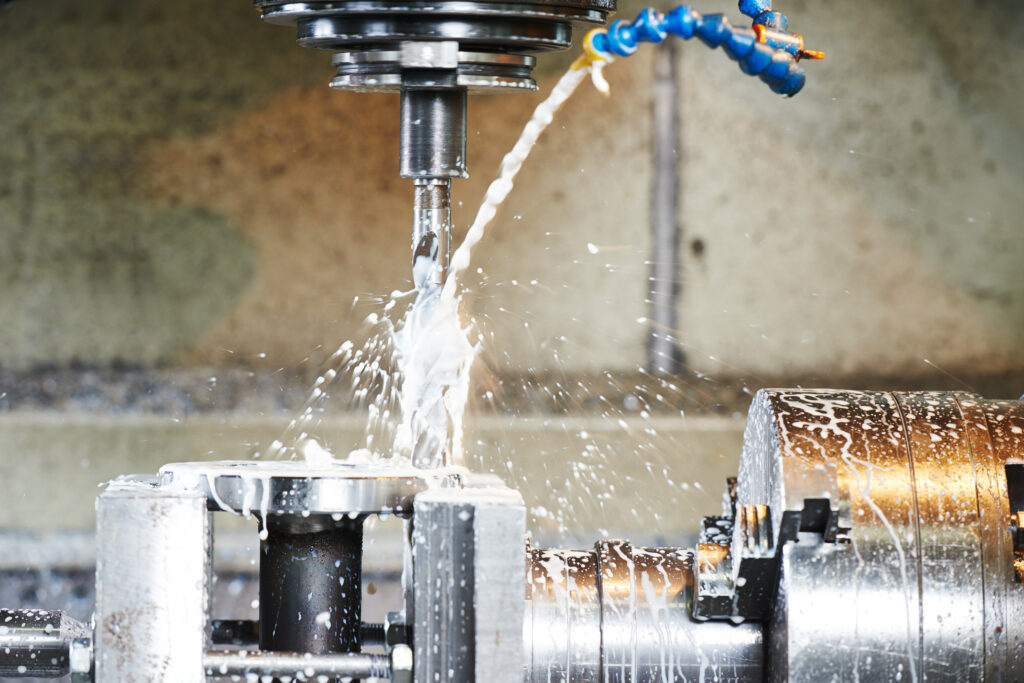
Manufacturing industries have undergone remarkable changes over the last few decades, driven by advancements in automation, digital engineering, and material science. One of the most significant developments in industrial fabrication has been the rise of advanced cutting technologies. Traditional cutting methods once relied heavily on mechanical blades, saws, and heat-based systems, but modern industries now require cleaner, faster, and more precise solutions. This demand has led to the widespread adoption of innovative systems that can process a wide variety of materials while maintaining accuracy and efficiency.
Among the most important technologies transforming fabrication is the use of a jet cutting machine. These systems have revolutionized industrial cutting by allowing manufacturers to work with exceptional precision while minimizing waste. Unlike conventional methods that often create heat distortion or rough edges, advanced cutting technologies provide smooth finishes and highly accurate dimensions.
As manufacturing sectors continue to evolve, industries ranging from aerospace and automotive to architecture and electronics are increasingly relying on cutting systems capable of handling complex materials. This shift has elevated the importance of water-based cutting technologies that offer versatility and consistency across countless applications.
Understanding Modern Cutting Technology
Industrial cutting is a fundamental process in manufacturing. Whether creating machine components, architectural panels, automotive parts, or decorative designs, cutting accuracy plays a major role in overall product quality. Historically, metalworking and fabrication relied on mechanical tools that often generated excessive wear, heat, or material distortion.
Modern manufacturing demands precision at a microscopic level. Products are expected to meet strict tolerances while maintaining structural integrity. To meet these expectations, industries have embraced advanced systems capable of delivering accurate cuts without compromising material properties.
The introduction of water-driven cutting technology has transformed how manufacturers approach production. By using highly pressurized streams of water, often combined with abrasives, cutting systems can penetrate hard materials without producing thermal damage. This is particularly valuable in industries where maintaining material strength and appearance is essential.
A jet cutting machine operates by directing a concentrated stream of water at extremely high pressure onto a target surface. Depending on the material and application, abrasive particles may be added to improve cutting performance. This approach allows operators to cut through metal, stone, glass, ceramics, plastics, composites, and more.
The growing popularity of these systems reflects a broader trend toward efficiency, sustainability, and precision manufacturing.
The Science Behind Water-Based Cutting Systems
The operation of advanced cutting equipment is based on fluid dynamics and high-pressure engineering. Water is pressurized to extremely high levels before being expelled through a tiny nozzle. The resulting stream becomes powerful enough to slice through a wide range of materials.
When abrasive materials such as garnet are introduced into the stream, the cutting power increases significantly. Abrasive particles accelerate alongside the water, creating a highly effective cutting force capable of processing thick or dense materials.
Unlike thermal cutting methods, water-based systems do not rely on heat. This eliminates issues such as warping, melting, or heat-affected zones. As a result, manufacturers can preserve the original properties of the material while maintaining high precision.
One of the most appealing aspects of waterjet cutting machines is their ability to work across multiple industries without requiring specialized tooling for every application. Operators can switch between materials with minimal adjustments, making these systems highly versatile.
The precision achieved through water-based cutting technology also reduces the need for secondary finishing processes. Since cuts are often smooth and accurate, manufacturers can save both time and labor costs.
Benefits of Using Advanced Cutting Systems
Modern fabrication environments prioritize efficiency, accuracy, and adaptability. Advanced cutting systems provide several advantages that make them attractive for businesses seeking long-term productivity.
Exceptional Precision
Precision is one of the defining characteristics of modern cutting technology. A jet cutting machine can create intricate shapes, tight tolerances, and detailed designs that would be difficult to achieve with conventional tools.
This level of accuracy is especially valuable in industries such as aerospace and medical manufacturing, where even minor deviations can impact product performance.
Minimal Heat Damage
Traditional thermal cutting methods can alter the structural properties of materials. Heat can cause warping, cracking, or discoloration, particularly in sensitive materials.
Water-based cutting eliminates this issue by avoiding heat entirely. Materials remain stable throughout the process, making it ideal for delicate applications.
Material Versatility
One of the strongest advantages of advanced systems is their compatibility with numerous materials. Waterjet cutting machines can process:
- Stainless steel
- Aluminum
- Titanium
- Glass
- Marble
- Granite
- Rubber
- Plastics
- Composites
- Ceramics
This versatility allows manufacturers to consolidate production processes into a single system.
Cleaner Edges
Cut quality is a major consideration in manufacturing. Rough or uneven edges often require additional finishing work.
Modern water-driven systems produce clean, smooth edges that reduce post-processing time. This helps improve workflow efficiency and overall production speed.
Reduced Material Waste
Precision cutting contributes to better material utilization. Since cutting paths are highly accurate, manufacturers can optimize layouts to minimize scrap.
Reduced waste lowers production costs while supporting environmentally responsible manufacturing practices.
Industrial Applications of Cutting Technology
The versatility of modern cutting systems has made them valuable across numerous sectors.
Aerospace Industry
Aerospace manufacturing requires extreme precision due to the complexity of aircraft components. Materials used in this sector are often expensive and difficult to process.
A jet cutting machine is particularly effective in aerospace production because it can cut titanium, aluminum, and composites without introducing heat stress.
Manufacturers rely on these systems to create intricate components while maintaining strict engineering standards.
Automotive Manufacturing
The automotive sector benefits from advanced cutting technologies in the production of body panels, interior components, and structural parts.
Water-based cutting systems help manufacturers achieve consistency while supporting mass production requirements.
Additionally, the ability to cut a wide range of materials makes these systems useful for both traditional vehicles and electric vehicle manufacturing.
Architecture and Design
Architects and designers frequently use water-based cutting methods to create decorative elements, signage, flooring patterns, and artistic installations.
Stone, glass, and metal can be shaped into intricate designs with remarkable detail.
This creative flexibility allows professionals to push design boundaries while maintaining structural precision.
Medical Device Manufacturing
Medical industries require highly accurate components that meet strict regulatory standards.
Waterjet cutting machines are often used to produce surgical tools, implants, and medical device parts.
Because the process does not generate heat, materials maintain their integrity, making them suitable for sensitive healthcare applications.
Construction Industry
Construction projects increasingly rely on custom fabrication. Water-driven cutting technology supports the creation of tailored materials used in building structures, decorative features, and infrastructure projects.
Precision cutting ensures accurate fitting and installation, improving project efficiency.
Why Precision Matters in Modern Manufacturing
Precision manufacturing has become essential in an increasingly competitive global market. Customers expect products that meet exact specifications, while manufacturers seek ways to reduce errors and increase efficiency.
Accurate cutting technology contributes directly to these goals. By ensuring that every component matches intended dimensions, manufacturers can reduce assembly issues and improve final product quality.
A jet cutting machine supports precision by allowing operators to follow digital designs with remarkable accuracy. Computer-controlled systems guide the cutting path, minimizing human error and ensuring repeatability.
Repeatability is particularly important for large production runs. Manufacturers need confidence that each part will meet the same standards as the previous one.
Consistent precision reduces waste, lowers rework costs, and strengthens customer satisfaction.
Environmental Advantages of Water-Based Cutting
Sustainability has become a major priority across industries. Businesses are under increasing pressure to reduce environmental impact while maintaining productivity.
Water-based cutting technology aligns with these goals in several ways.
First, the process generates minimal airborne contaminants compared to thermal cutting methods. Since there is no burning or melting, fewer harmful fumes are released into the environment.
Second, water can often be filtered and recycled within the system, reducing overall consumption.
Third, precision cutting minimizes waste, helping manufacturers make better use of raw materials.
Waterjet cutting machines also contribute to quieter operations compared to some traditional cutting systems. Reduced noise levels create safer and more comfortable work environments.
These environmental benefits make water-based cutting an attractive option for companies seeking greener manufacturing practices.
Choosing the Right Cutting Equipment
Selecting the right cutting system depends on several factors. Businesses must evaluate their production needs, material types, budget, and long-term goals.
Material Thickness
Different materials require varying levels of cutting power. Thick metals or dense stone may require abrasive systems, while softer materials can often be cut using pure water.
Production Volume
High-volume production facilities need systems capable of operating continuously without sacrificing accuracy.
Reliable equipment with automated features can improve throughput while reducing downtime.
Precision Requirements
Industries such as aerospace, electronics, and medical manufacturing demand extremely high precision.
Choosing a machine capable of maintaining tight tolerances is essential.
Operational Costs
Businesses should consider operating expenses, including maintenance, energy consumption, and consumables.
A jet cutting machine may require an initial investment, but long-term efficiency can provide significant savings.
Automation Integration
Modern factories increasingly rely on automation. Many advanced cutting systems integrate with CNC technology, allowing operators to program complex designs and achieve repeatable results.
Automation reduces manual labor while improving productivity.
The Role of Automation in Cutting Technology
Automation has reshaped industrial manufacturing. Computer-controlled systems now guide machinery with exceptional precision, reducing variability and increasing efficiency.
In cutting technology, CNC integration allows operators to create highly detailed designs directly from digital files.
This process eliminates the need for manual measurements and improves consistency.
Waterjet cutting machines often include software that enables users to optimize cutting paths, reduce waste, and maximize productivity.
Automated systems can also perform nested cutting, where multiple parts are arranged strategically to minimize material usage.
As artificial intelligence and machine learning continue to develop, cutting systems may become even more efficient and adaptive.
Maintenance and Longevity of Cutting Equipment
Like any industrial machinery, advanced cutting systems require regular maintenance to ensure long-term performance.
Proper maintenance helps prevent downtime and extends equipment lifespan.
Routine maintenance tasks may include:
- Inspecting nozzles and cutting heads
- Monitoring pressure systems
- Cleaning filters
- Checking abrasive delivery components
- Replacing worn seals
- Verifying software calibration
A well-maintained jet cutting machine can operate efficiently for many years, providing consistent performance.
Manufacturers that invest in maintenance programs often experience fewer disruptions and improved productivity.
Future Trends in Industrial Cutting Technology
The future of manufacturing continues to evolve rapidly, and cutting technology is expected to advance alongside broader industry trends.
Smart Manufacturing
Industry 4.0 is transforming factories into interconnected ecosystems. Machines can communicate with each other, collect performance data, and optimize operations in real time.
Advanced cutting systems may soon include predictive maintenance features that identify potential issues before failures occur.
Increased Automation
Automation will continue to expand, allowing manufacturers to streamline production and reduce labor-intensive tasks.
Robotic integration may further enhance cutting precision and efficiency.
Sustainable Practices
Environmental awareness is shaping industrial decisions.
Water-based cutting technologies already support sustainability, and future developments may improve recycling systems and energy efficiency.
Enhanced Software Integration
Software will play a larger role in optimizing manufacturing workflows.
Design programs may connect directly with cutting equipment, reducing setup time and improving accuracy.
Broader Material Compatibility
As new materials emerge, cutting systems will adapt to handle increasingly complex composites and advanced alloys.
Waterjet cutting machines are likely to remain valuable due to their ability to process diverse materials.
The Competitive Advantage of Precision Cutting
Businesses operating in competitive markets must constantly improve efficiency and quality.
Precision cutting technology provides a strong advantage by reducing waste, improving accuracy, and enabling customization.
Customers increasingly seek products tailored to specific needs, and advanced cutting systems make customization more accessible.
Manufacturers that adopt modern technologies can respond more quickly to changing market demands.
A jet cutting machine supports flexibility by allowing rapid design adjustments without requiring major tooling changes.
This adaptability helps businesses remain competitive in fast-moving industries.
Conclusion
Industrial manufacturing has entered an era defined by precision, efficiency, and innovation. Advanced cutting technologies have become essential tools for businesses seeking to improve quality and reduce waste.
Water-based systems offer a unique combination of versatility, environmental responsibility, and exceptional accuracy. Whether processing metals, glass, composites, or stone, these technologies provide manufacturers with reliable solutions for demanding applications.
The growing adoption of waterjet cutting machines demonstrates the increasing need for cutting methods that preserve material integrity while delivering superior performance.
As automation, sustainability, and smart manufacturing continue to evolve, cutting technology will remain a cornerstone of modern production. Businesses that invest in advanced equipment are better positioned to meet customer expectations, improve efficiency, and maintain a competitive edge in the global market.
