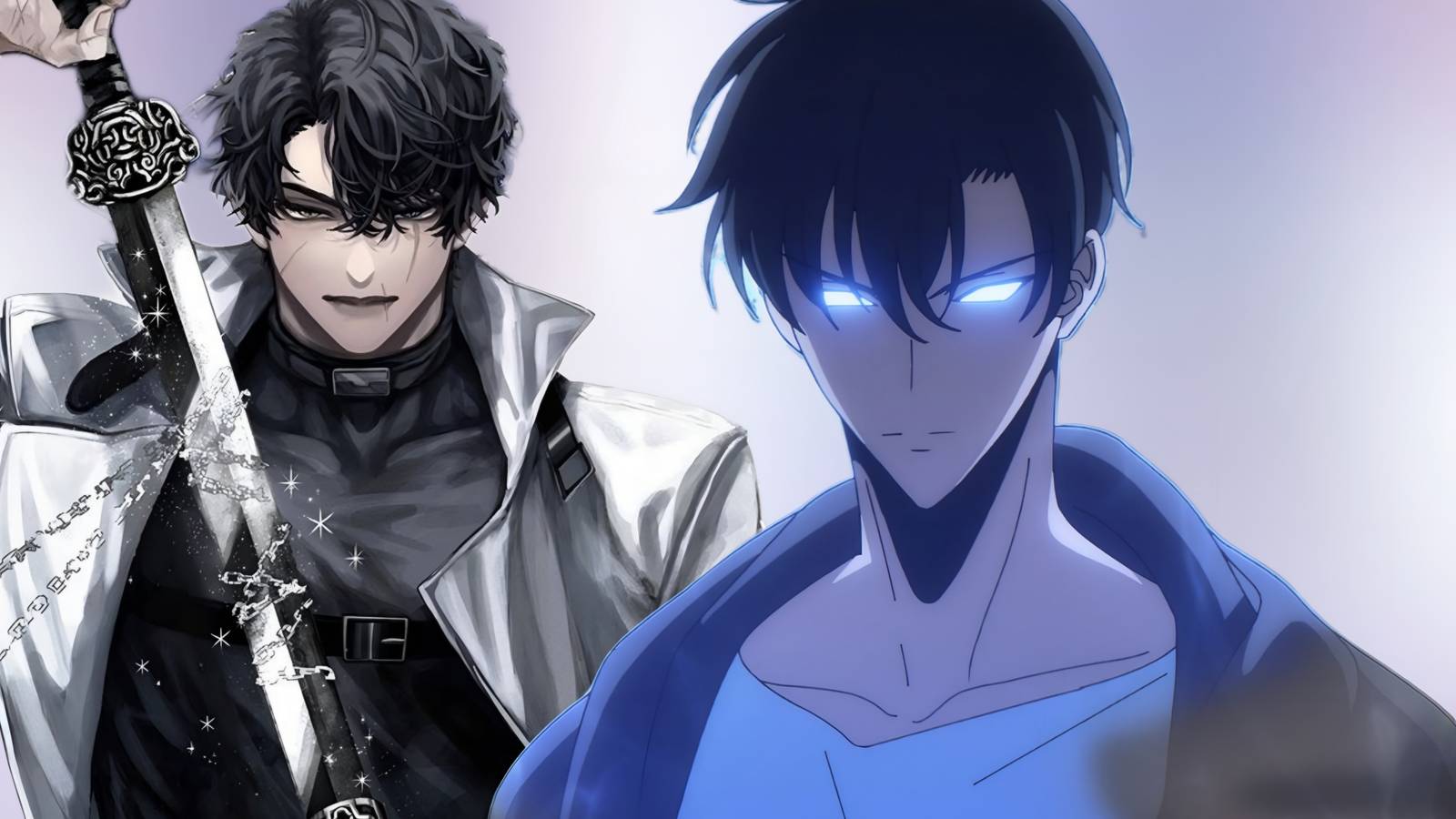
Some stories entertain. Others redefine an entire genre. Solo Leveling belongs to the second category. When readers first encountered Sung Jinwoo, they met a weak hunter surviving at the bottom of a ruthless ranking system. What followed was not simply a tale of growth but a transformation so compelling that it sparked global fascination. Solo Leveling did not rely on chance or hype. It built momentum chapter after chapter, blending high-stakes action with emotional clarity and world-building that feels both immersive and precise. Readers searching for answers about its success usually want more than praise. They want to understand the mechanics behind its impact. Why did this web novel adaptation explode in popularity? How did it stand out in a crowded market filled with power fantasies and dungeon-based adventures? The answer lies in a rare combination of narrative structure, character development, visual mastery, and cultural timing. Solo Leveling reads like a perfectly tuned engine: every part serves a purpose, every twist fuels anticipation. Its rise mirrors Jinwoo’s own ascent steady, calculated, unstoppable.
A protagonist designed for emotional investment
At the core of Solo Leveling’s triumph stands Sung Jinwoo, introduced as the “world’s weakest hunter.” This deliberate contrast between vulnerability and latent potential creates immediate emotional engagement. Readers do not connect to invincible heroes from the start; they connect to struggle. Jinwoo’s early fragility feels tangible. His fear, frustration, and desperation resonate because they mirror real human limitations.
The narrative then introduces the mysterious “System,” transforming his life into something resembling a game interface layered onto reality. This mechanic is not a superficial gimmick. It gives measurable structure to his evolution, allowing readers to track progress through levels, skills, and quests. Watching Jinwoo grow becomes deeply satisfying because every achievement feels earned rather than handed to him.
Power progression stories are common, yet Solo Leveling refined the formula. Instead of overwhelming readers with complex political subplots, it focuses tightly on personal growth. Each dungeon raid feels like a trial. Each new ability marks a shift in identity. Jinwoo evolves not only physically but psychologically. He moves from hesitant survivor to calculating strategist. That transformation anchors reader loyalty. The emotional arc works like a rising tide: steady at first, then impossible to ignore. Readers remain invested because they witness every step of the climb.
A world built on clear rules and escalating stakes
Solo Leveling thrives on structure. Gates appear across the world, releasing monsters. Hunters organize into ranks. Guilds compete for prestige. This system feels coherent. Readers quickly understand the hierarchy, which allows tension to build naturally.
Unlike chaotic fantasy settings that rely on vague magic systems, Solo Leveling operates on defined parameters. Rankings matter. S-rank hunters dominate the field. Political dynamics between countries influence global stability. This clarity enhances immersion.
As Jinwoo surpasses established limits, the scale expands. Local dungeon raids evolve into international threats. Monarchs and Rulers introduce cosmic stakes. Each escalation feels logical rather than abrupt. The narrative widens its lens gradually, maintaining suspense without overwhelming readers.
Visual storytelling reinforces this progression. The webtoon adaptation elevated the experience through dramatic panel composition and intense combat sequences. Shadows emerge like living storms. Battles unfold with cinematic pacing. For fans who enjoy collecting anime figures, the striking character designs and dynamic poses translate naturally into collectible form, reinforcing the franchise’s visual identity beyond the page. World-building becomes more than background detail; it transforms into a framework supporting emotional payoff.
The power fantasy perfected without losing tension
Power fantasies often collapse under their own weight. When a protagonist becomes too strong, conflict loses meaning. Solo Leveling avoids this trap through pacing. Jinwoo’s strength increases dramatically, yet threats scale alongside him. The “Shadow Monarch” reveal represents a turning point. His ability to command an army of shadows creates spectacle while introducing strategic depth. Battles become layered encounters rather than simple displays of brute force. Each confrontation tests intelligence, adaptability, and resolve.
This balance maintains suspense. Readers feel the thrill of dominance without sacrificing uncertainty. The narrative carefully withholds certain truths about the larger cosmic conflict. That restraint keeps curiosity alive.
For fans eager to extend their connection with the series, dedicated collections such as Solo Leveling figures reflect key moments and characters from the storyline. These physical representations echo the intensity that made the series unforgettable. Solo Leveling refined the fantasy of self-improvement. It presents growth as relentless effort, strategic thinking, and calculated risk. Readers respond to that formula because it mirrors ambition in real life.
Visual storytelling that redefined webtoon standards
The webtoon adaptation played a decisive role in global recognition. Crisp linework, bold color contrasts, and fluid action sequences elevated the narrative beyond text. Each chapter feels choreographed like a high-budget action film.
Dynamic panel composition
Panels stretch vertically to emphasize scale. Shadows engulf entire frames. Explosions rupture page boundaries. This visual rhythm pulls readers into combat scenes with cinematic intensity. The pacing controls adrenaline, shifting from silent tension to explosive motion within seconds. Approximately 300 words of detailed explanation would explore how lighting, perspective shifts, and color gradients amplify emotional impact. The contrast between dark shadow tones and luminous magic effects highlights Jinwoo’s duality human vulnerability intertwined with overwhelming power. The artistic direction does not simply illustrate events; it amplifies narrative tension.
Character design and symbolic imagery
Each major character carries a distinct silhouette and aura. From Beru’s insect-like menace to Igris’s knightly presence, design reinforces personality. Symbolism appears subtly through recurring motifs of darkness, crowns, and fractured skies. Around 300 words would further analyze how this symbolic layer deepens reader engagement. The imagery acts like visual shorthand, allowing readers to sense power shifts instantly. This efficiency enhances storytelling speed while preserving emotional clarity. The adaptation demonstrated that digital comics could rival traditional manga in visual intensity. That achievement expanded its audience internationally.
Why readers formed a lasting attachment
Solo Leveling succeeded because it delivered consistency. Weekly releases built anticipation. Cliffhangers sustained momentum. Community discussions flourished across platforms.
Key elements fueling reader attachment include:
- Progression
- High-stakes battles
- Clear power scaling
- Emotional transformation
- Cinematic visuals
The series arrived at a moment when global interest in Korean webtoons was rising. Timing amplified visibility, yet quality sustained loyalty. Readers were not drawn only by spectacle; they stayed for narrative cohesion and character focus. The story functions like a perfectly ascending staircase each step logical, each level earned. That clarity distinguishes it from chaotic competitors.
A phenomenon that reshaped modern web storytelling
Solo Leveling did more than entertain. It influenced industry standards. Publishers invested more heavily in webtoon adaptations. International licensing expanded rapidly. The announcement of an anime adaptation confirmed its cultural footprint. Its structure proved that a streamlined narrative centered on one evolving protagonist could dominate global charts. It showed that visual polish combined with disciplined pacing creates universal appeal. Readers who analyze its success often conclude that Solo Leveling embodies narrative efficiency. No wasted arcs. No unnecessary detours. Each chapter pushes forward. That discipline respects the audience’s time and intelligence.
A story that continues to echo
Solo Leveling conquered readers through clarity, escalation, and emotional resonance. It offered the thrill of limitless growth while maintaining coherent stakes and immersive visuals. More than a power fantasy, it became a symbol of ambition and transformation. If you experienced Jinwoo’s rise, you likely felt that quiet satisfaction of watching potential unfold into dominance. If you have not yet stepped into its world, the ascent still awaits. What moment in the story struck you the most?
