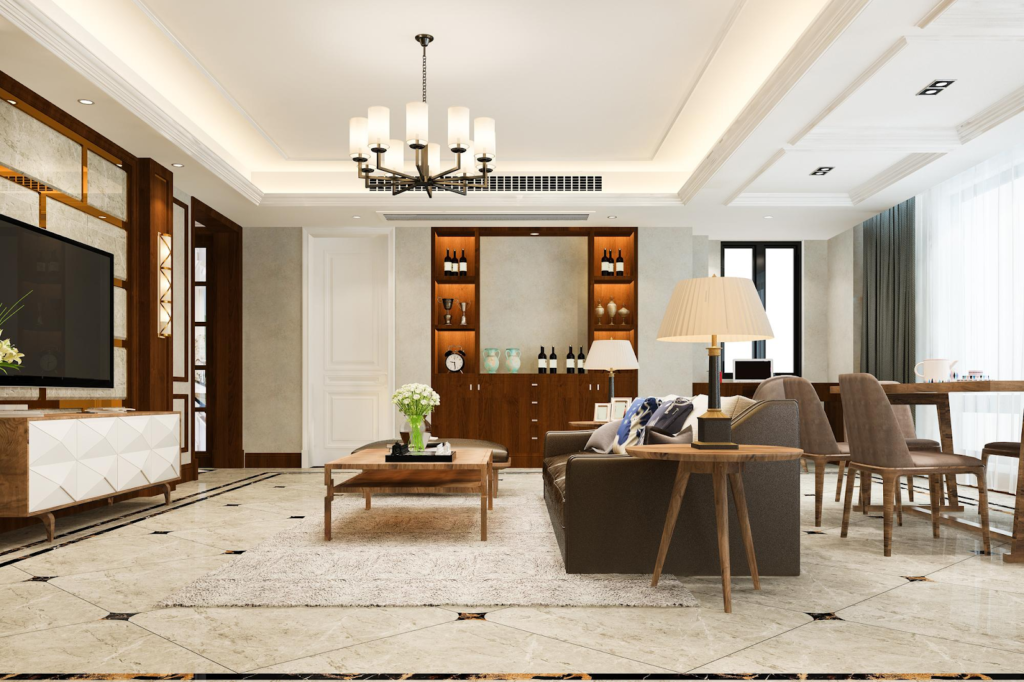
When a standard home costs X and a luxury build costs X + hundreds of thousands (if not millions), it begs the question of what exactly buyers are paying for in addition to extra square footage and high-end countertops. The reality is that nearly everything above and below the surface and in between is what makes the home feel different, if not better, on a day-to-day basis.
It’s What’s Beneath and Within the Walls
The average homebuyer rarely thinks about what’s happening below ground and behind the walls. That’s where luxury construction makes a difference in the first place.
Where premium builders construct with engineered pier systems that go deeper and bear weight better than basic concrete slabs, buyers find value. In areas where soil shifts or settling may cause cracks in foundations years down the line, this matters. Framing is constructed with better timber/steel grades and spacing exceeds code minimums. Thus, walls are straighter, floors feel solid, and doors won’t stick after a year or two once a house settles.
Waterproofing and drainage systems are in place where production homes lack, or at a minimum level. A luxury build has multiple redundant systems to keep water away from the foundation and, ultimately, out from living spaces. While this is less than exciting to talk about, a dry basement ten years down the line versus a leaking foundation that needs expensive remediation saves money in the long run.
It’s All About Material Quality
Anytime a buyer walks into a luxury home, there is almost an immediate different “feel”. When experienced luxury home builders are at the forefront, they select materials that perform better and age better than standard options. This means that surfaces will hold their looks and functionality over time, and that’s how buyers know they’ve made the right choice.
For example, hardwood flooring is thicker, well-finished and sands down easier than its cheaper counterparts. Buyers of luxury homes will need to replace their flooring after one or two sand-downs. Stone countertops are chosen from more reliable quarries with color consistency and fewer imperfections. This means that without stain or wear over time, buyers see differences in function as well as visible appeal.
Window and door systems are one of the largest quality jumps. Where production homes settle for thinner windowpanes with standard seals and hardware, premium homes benefit from multi-pane glass with better seal systems (and hardware) that will neither warp nor compromise due to extreme temperatures. The glass itself boasts functionality for heat and UV rays; impacts energy bills and the way rooms feel all day long.
This concept extends to plumbing fixtures and hardware with tiered options for performance. For example, cabinet hinges close quietly instead of slamming. Door handles don’t loosen up after a couple of years but continue to hold their hefty quality. Plumbing fixtures maintain their aesthetic without the constant focus buyers of inexpensive homes need to commit.
Craftsmanship is Not Just an Aesthetic Concept
With luxury homes, more skilled trades get involved in the actual building process for longer periods of time per element. For example, drywall gets an extra coat (or two) with more care—so walls do not look bad with visible seams/fasteners showing. Trim gets installed with more direct options so that corners meet precisely and reveals remain consistent.
Take tile work as an effective example; every standard installation finds lippage where tiles do not sit flush with their neighbors. Grout lines differ in width, and patterns lack alignment at transitions. This is where luxury installations fade away, better materials for more precise layouts are afforded and carefully laid by trades who have time to make everything perfect.
The same goes for plumbing/electrical work; outlets exist at consistent heights that match orientations. Lighting is built for ambiance instead of minimum code compliance. Plumbing isn’t haphazard; rather it’s strategic along the walls for comfortable access.
Design Flexibility
Production homes work off minimal floor plans and limited alterations occur. The builder knows how it can mass produce spaces quicker in one way, but luxury builds begin from scratch with buyer needs in mind.
Room sizes and configurations fulfill real life needs instead of forcing people into pre-made patterns with high fees to change. Ceiling heights vary per room to create different feelings. Windows are planted strategically for sights/light intake desirability. Storage is built into places where it makes sense, not where closets happened to have been designated by an overpriced plan.
The same goes for mechanical systems; heating/cooling zones exist where areas exist that get used differently. Lighting controls matter to room allocations. Plumbing serves actual bathrooms/kitchens instead of constrained layouts that determine where pipes exist from standard plans.
Long-Term Value
More important than anything else is how maintenance costs/frequency differ after years upon completion, and that’s something most people never think about until it’s too late. Where cheaper builds send trades away quicker to minimize attention to detail, mediocre materials require overhaul sooner to keep things maintained that shouldn’t be based on build quality.
Luxury homes utilize materials/mechanics that exist for the longer term; exteriors hold up longer before paints or replacements are needed; roofing systems boast exterior warranties longer than years gone by; HVAC is compiled from commercial lines with better efficiency; upfront costs save money on repairs/modifications down the line.
Additionally, quality resale is not something people think about until years down the line; homes that are built well hold their value because buyers can see and feel the difference between cheap vs expensive construction, not to mention, built on spec homes appreciate differently than those built by higher standards.
The Return on Investment
Luxury buyers needn’t justify every dollar paid against a cost ultimately met. Instead, it’s about creating a fundamentally different product, one that works better, less maintenance required down the road, providing better living experiences throughout home ownership.
The materials last longer. The systems work better. The layouts/formats are far more desirable, and when it comes time to sell the home, appreciation holds value consistently greater than basic homes can appreciate secondary to their mediocre/mundane aspects.
Over time, whether someone is building for the long term or eventual resale, luxury construction investment pays off in ways that conventional construction simply cannot compete.
