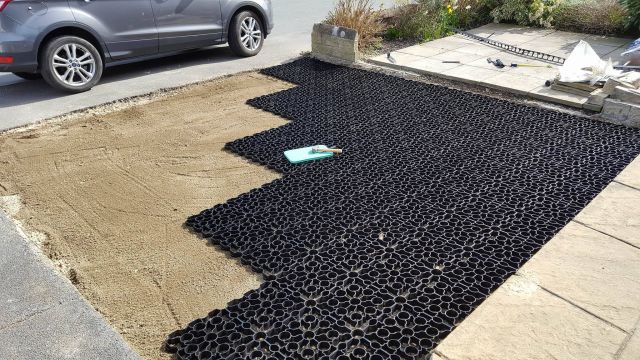
A well chosen aggregate mix makes the difference between a stable surface and one that fails too soon. Good aggregates provide strength support and allow water to move freely through the system. Selecting proper particle size shapes and hardness helps prevent rutting loss of profile and premature wear. Proper testing before installation reduces surprises on site. Consider how loads move through the grid and how seasonal changes might affect the base. Thoughtful selection reduces maintenance time while improving function. Clear planning at the design stage leads to longer lasting installations and predictable performance.
Selection basics and gravel grid
Choosing aggregate for a gravel grid that requires focus on size range, particle interlock and durability. Use graded mixes that lock together to resist movement. Consider angular crushed stone for better mechanical interlock with the grid modules. Avoid very brittle material that breaks under repeated stress. Check resistance to abrasion and freeze action where relevant. Proper compaction after placement increases the contact between aggregate and the reinforcement. Matching the aggregate to the expected load pattern improves both bearing capacity and surface evenness. Test samples under expected moisture conditions to confirm behavior.
Key material traits
A short guide before bullets explaining traits to weigh for aggregate selection.
• Particle shape influences friction and locking ability under loads.
• Size distribution affects drainage rate and resistance to compaction.
• Toughness governs how material resists fragmentation from repeated loads.
• Mineral composition impacts weather resistance and long term stability.
Size gradation choices
Selecting the right gradation reduces voids and improves load transfer through the grid structure. A uniform single size may drain well yet shift under traffic. A well graded mix combines larger stones for structure with smaller fines for interlock. Avoid excessive fines that block flow through the grid pores. Aim for a particle distribution that allows compaction without creating a concrete like mass. Laboratory sieve testing helps define the optimal gradation for a specific project. Properly graded material reduces settlement and helps maintain surface geometry.
Compaction and placement
• Layer thickness affects compaction uniformity and grid engagement with aggregates.
• Compaction energy must match material type to avoid crushing softer particles.
• Placement sequence impacts final density and long term resistance to rutting.
• Moisture condition during compaction changes workability and final strength.
Angular versus rounded
Angular aggregates tend to lock more effectively with gravel grid ribs and cells which enhances stability. Rounded stones may roll under shear leading to migration and loosening. In many cases crushed rock with sharp faces provides better mechanical interlock. However angular material often requires more compaction passes to settle properly. Consider the trade off between ease of installation and long term performance. Where load is high choose tougher angular aggregates to reduce particle breakage. For light use areas a mixed particle shape may be acceptable if drainage remains adequate.
Durability and strength
Durable aggregates resist fragmentation and maintain particle shape under repeated loading. Hard minerals like quartzite basalt and certain limestones often perform well. Avoid easily weathered rock that produces fines over time. Consider testing for Los Angeles abrasion value to compare toughness. Frost susceptibility should be considered in climates with freeze activity. Interactions between aggregate and any existing base layers may alter long term performance. Choosing a robust material reduces maintenance cycles and preserves grid geometry.
Drainage and filtration
• Proper void space promotes quick water movement through the grid cells.
• Filter fabric placement prevents fines from migrating into the drainage layer.
• Avoid fine rich mixes that impede flow and cause local saturation.
• Ensure outlet paths exist to carry water away from the system easily.
Environmental compatibility concerns
Aggregate selection should also weigh chemical stability and environmental impact. Some materials react with adjacent soils causing softening or staining over time. Avoid reactive rocks if nearby soils or waters present known aggressors. Consider the source sustainability and transport footprint of the chosen material. Local quarry testing provides insight on long term behavior under expected conditions. Matching pH neutrality and mineral makeup to the site reduces unwanted reactions. Thoughtful selection maintains both function and compliance with project constraints.
Practical installation tips for long term performance
Begin with sample testing at the project site to confirm material behavior under expected conditions. Verify gradation through sieve analysis and adjust mixes as needed before bulk delivery. Install filter controls to limit fine migration into the grid cells. Use measured compaction efforts and avoid overworking material which may create excessive fines. Monitor initial traffic patterns to catch early signs of instability. Document changes to guide future maintenance and to refine material choices for similar projects.
Smart choice guide
Analyze traffic loads and water flow patterns first. Match aggregate hardness and shape to those demands. Prioritize graded mixes that lock together while preserving voids for drainage. Test samples under realistic moisture and load conditions. Keep installation practices consistent with design intent. Maintain records of material properties and performance to inform future specifications.
Performance matters
Proper aggregate selection transforms a gravel grid from a short lived surface to a durable structural layer. When aggregates interlock with the grid the system handles loads more evenly. Adequate drainage prevents saturation which otherwise reduces bearing capacity. Material testing helps avoid costly replacement and reduces unwanted settling. The right balance of size, shape and strength delivers value across the service life.
Gravel grid results
Choose tested aggregates that resist breakdown under expected use. Verify gradation toughness and drainage attributes before installation. Implement careful placement compaction and filtration to maintain performance. With attention to these factors a gravel grid installation will provide stable support longevity and predictable maintenance requirements. Gravel grid use with well chosen aggregates leads to reliable results across many scenarios.
