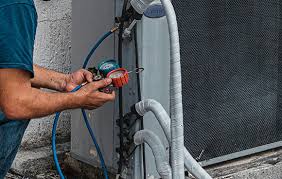
For many homeowners, the heating and cooling system is something that only gets attention when it stops working. If the air conditioner fails during a hot summer day or the heater struggles during a cold night, it suddenly becomes the most important appliance in the house. Unfortunately, waiting until something breaks can lead to higher costs, reduced comfort, and unnecessary stress.
Preventive HVAC maintenance offers a smarter approach. By understanding how these systems work and why regular upkeep matters, homeowners can extend equipment life, improve energy efficiency, and maintain reliable indoor comfort year-round.
Understanding the Role of Your HVAC System
Your HVAC system does more than simply heat or cool the air. It manages several key aspects of indoor comfort simultaneously, including:
- Temperature regulation
- Air circulation
- Humidity control
- Air filtration
- Indoor air quality
Because HVAC systems operate frequently—sometimes daily depending on the climate—every component experiences wear over time. Motors, coils, filters, electrical connections, and refrigerant lines must all function properly for the system to run efficiently.
Even minor issues, such as clogged filters or loose electrical connections, can gradually reduce performance and increase energy consumption.
The Hidden Costs of Ignoring Maintenance
Many homeowners postpone maintenance because their system appears to be working fine. However, small inefficiencies can accumulate over time and lead to larger problems.
Here are several common consequences of neglected HVAC systems:
Higher Energy Bills
Dust buildup, dirty coils, and restricted airflow force HVAC systems to work harder to produce the same level of heating or cooling. This increased workload leads to higher electricity or gas usage.
Shortened Equipment Lifespan
HVAC systems represent a major investment for homeowners. Without routine inspections and tune-ups, components wear out faster, which can significantly reduce the system’s operational lifespan.
Unexpected Breakdowns
Most system failures are not sudden. They develop gradually as parts deteriorate. Routine inspections allow technicians to identify worn components before they cause a complete system shutdown.
Reduced Indoor Air Quality
Clogged filters and dirty ducts can circulate allergens, dust, and other airborne particles throughout the home. Regular maintenance helps keep the air cleaner and healthier.
Signs Your HVAC System May Need Attention
While regular professional service is recommended, homeowners can often spot early warning signs themselves. Recognizing these indicators can prevent larger issues from developing.
Watch for the following signs:
- Uneven heating or cooling between rooms
- Strange noises such as rattling or grinding
- Unusual odors when the system runs
- Weak airflow from vents
- Sudden increases in energy bills
- The system turning on and off frequently
If any of these issues appear, scheduling an inspection sooner rather than later can prevent further complications.
What Happens During a Professional HVAC Service
A professional HVAC tune-up involves far more than a quick inspection. Technicians typically perform a comprehensive system evaluation to ensure every component operates correctly.
A standard service appointment often includes:
- Air filter inspection and replacement
- Cleaning evaporator and condenser coils
- Checking refrigerant levels
- Inspecting electrical connections
- Testing thermostat accuracy
- Lubricating moving components
- Evaluating airflow and duct performance
These steps help restore efficiency and identify potential problems early.
For homeowners seeking reliable assistance, exploring professional providers such as Midland residential HVAC services can help ensure systems are inspected and maintained by experienced technicians familiar with residential heating and cooling needs.
Seasonal Maintenance Tips for Homeowners
While professional servicing is essential, homeowners can also take simple steps throughout the year to keep their systems running smoothly.
Replace Filters Regularly
Air filters should typically be replaced every one to three months depending on household conditions, pets, and air quality.
Keep Outdoor Units Clear
Outdoor condensers require adequate airflow. Clear away leaves, grass, and debris around the unit to prevent airflow restrictions.
Check Vents and Registers
Ensure vents inside the home are not blocked by furniture, curtains, or rugs. Obstructed airflow can reduce efficiency and create uneven temperatures.
Monitor Thermostat Settings
Programmable or smart thermostats allow homeowners to adjust temperatures automatically throughout the day, reducing unnecessary system usage.
Schedule Annual Inspections
Experts generally recommend servicing cooling systems before summer and heating systems before winter to ensure peak performance when demand increases.
Energy Efficiency and Long-Term Savings
Energy efficiency is one of the biggest advantages of maintaining a healthy HVAC system. When systems operate efficiently, they require less energy to achieve the same comfort level.
This translates into measurable savings over time.
Efficient systems also reduce strain on internal components, which helps delay costly replacements. Considering the high cost of installing a new HVAC system, extending equipment life by even a few years can provide significant financial benefits.
Additionally, improved efficiency contributes to environmental sustainability by reducing overall energy consumption.
The Importance of Professional Expertise
While DIY maintenance can help with basic upkeep, HVAC systems are complex mechanical and electrical systems that require specialized knowledge.
Professional technicians understand:
- Proper refrigerant handling
- Electrical safety protocols
- System diagnostics
- Efficiency optimization techniques
Attempting advanced repairs without proper training can sometimes cause further damage or create safety risks. Partnering with experienced professionals ensures the system receives the correct care.
Creating a Year-Round Comfort Strategy
Rather than reacting to problems as they arise, the most effective approach to home comfort is proactive system management. A consistent maintenance routine keeps systems efficient, reduces emergency repairs, and ensures dependable performance.
By staying attentive to early warning signs, replacing filters regularly, and scheduling professional inspections, homeowners can enjoy a more comfortable living environment while protecting their investment.
