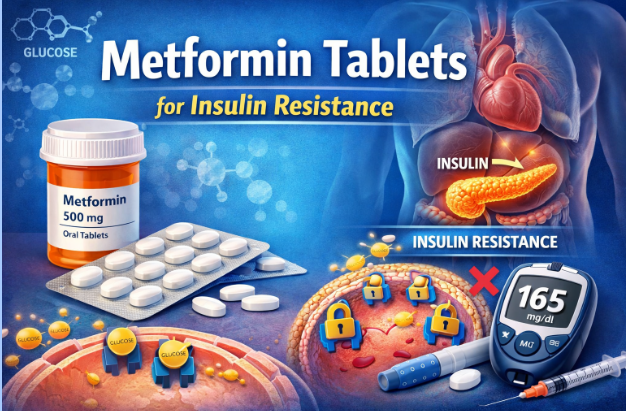
Understanding the connection between metabolic health, insulin function, and medication therapy is essential for patients seeking effective management of chronic metabolic conditions. One medication frequently prescribed for improving insulin sensitivity is Metformin, a widely studied and clinically trusted treatment. Individuals diagnosed with Insulin Resistance often encounter this medication as part of a comprehensive treatment strategy.
This in-depth guide explains how metformin tablets for insulin resistance, why physicians prescribe it, its benefits for metabolic health, and what patients should expect when using it.
Understanding Insulin Resistance and Its Impact on the Body
Insulin resistance occurs when the body’s cells stop responding effectively to insulin, the hormone responsible for regulating blood glucose levels. Normally, insulin allows glucose to move from the bloodstream into cells where it is used for energy. When resistance develops, this process becomes inefficient.
As a result:
- Blood sugar levels increase
- The pancreas produces more insulin to compensate
- Fat storage increases
- Metabolism slows down
Over time, this metabolic imbalance significantly raises the risk of developing Type 2 Diabetes, cardiovascular disease, and weight gain.
Insulin resistance is also closely associated with Polycystic Ovary Syndrome (PCOS), metabolic syndrome, and fatty liver disease.
What Is Metformin and Why Is It Prescribed?
Metformin belongs to a class of medications known as biguanides, which are designed to help regulate blood glucose levels. It has been used globally for more than six decades and remains one of the most commonly prescribed medications for metabolic disorders.
Physicians prescribe metformin for several purposes:
- Managing Type 2 diabetes
- Treating insulin resistance
- Supporting PCOS treatment
- Preventing diabetes progression in high-risk individuals
Unlike many diabetes medications, metformin does not stimulate insulin production. Instead, it works by improving how the body responds to insulin.
How Metformin Improves Insulin Sensitivity
Metformin acts through several metabolic pathways that help restore glucose balance.
1. Reduces Liver Glucose Production
The liver naturally produces glucose, especially during fasting. In individuals with insulin resistance, this process becomes excessive. Metformin suppresses this overproduction, resulting in lower fasting blood sugar levels.
2. Improves Cellular Insulin Response
Metformin increases insulin sensitivity in muscle and fat cells, allowing glucose to enter cells more efficiently. This improves energy metabolism and reduces circulating blood sugar.
3. Enhances Glucose Uptake
Muscle tissue becomes better at absorbing glucose during activity and rest, helping the body utilize sugar instead of storing it as fat.
4. Reduces Intestinal Glucose Absorption
Metformin slightly slows the absorption of glucose from food in the digestive tract, which helps prevent post-meal blood sugar spikes.
Key Benefits of Metformin for Patients with Insulin Resistance
Patients experiencing insulin resistance often notice significant improvements when metformin is combined with healthy lifestyle changes.
Improved Blood Sugar Control
Metformin lowers fasting blood glucose levels and stabilizes post-meal glucose fluctuations.
Weight Stabilization or Modest Weight Loss
Unlike insulin therapy or certain diabetes medications that may cause weight gain, metformin often contributes to mild weight reduction or prevents further weight increase.
Reduced Risk of Type 2 Diabetes
Clinical studies show that metformin can delay or prevent the onset of diabetes in individuals with prediabetes and insulin resistance.
Improved Hormonal Balance in PCOS
Women with PCOS often benefit from metformin due to improved insulin signaling, which can lead to:
- More regular menstrual cycles
- Improved ovulation
- Reduced androgen levels
Cardiovascular Health Support
Better glucose control and improved metabolic function contribute to lower cardiovascular risk factors, including high triglycerides and elevated cholesterol.
Who Should Consider Metformin Therapy
Metformin is typically recommended for individuals who show clear metabolic indicators of insulin resistance, including: Endocrine Society
- Elevated fasting glucose
- High fasting insulin levels
- Prediabetes diagnosis
- Abdominal obesity
- PCOS with metabolic symptoms
Healthcare providers may also prescribe metformin for individuals who struggle to control blood sugar through diet and exercise alone.
Typical Dosage and Treatment Approach
Treatment usually begins with a low dose, which gradually increases to improve tolerance and reduce gastrointestinal side effects.
Common dosage strategies include:
- Initial dose: 500 mg once or twice daily
- Gradual increase: up to 1500–2000 mg daily depending on patient response
Extended-release formulations are often recommended because they:
- Improve digestive tolerance
- Allow once-daily dosing
- Maintain stable medication levels
Consistency in dosing is essential for achieving optimal metabolic benefits.
Common Side Effects Patients Should Expect
Metformin is widely considered safe and well tolerated, but some patients may experience temporary side effects, especially during the first few weeks of treatment.
Digestive Symptoms
The most common side effects include:
- Nausea
- Mild stomach discomfort
- Diarrhea
- Bloating
These symptoms usually improve as the body adapts to the medication.
Vitamin B12 Deficiency
Long-term metformin use may reduce vitamin B12 absorption. Periodic monitoring and supplementation may be recommended for long-term users.
Rare Complication: Lactic Acidosis
Although extremely rare, lactic acidosis is a serious condition associated with impaired kidney function. Physicians carefully evaluate kidney health before prescribing metformin.
Lifestyle Changes That Enhance Metformin Effectiveness
While metformin is highly effective, lifestyle modifications dramatically amplify its benefits.
Balanced Nutrition
A diet focused on low-glycemic foods, fiber, lean proteins, and healthy fats helps stabilize blood sugar and reduce insulin demand.
Key dietary habits include:
- Reducing refined carbohydrates
- Increasing vegetables and whole foods
- Managing portion sizes
Regular Physical Activity
Exercise improves insulin sensitivity naturally. Activities such as:
- Brisk walking
- Strength training
- Cycling
- Swimming
help muscles absorb glucose more efficiently.
Weight Management
Even modest weight reduction of 5–10% of body weight can significantly improve insulin response.
Adequate Sleep and Stress Management
Chronic stress and sleep deprivation increase cortisol levels, which can worsen insulin resistance.
How Long It Takes for Metformin to Work
Many patients notice improvements in blood glucose levels within the first week, but full metabolic benefits typically appear after several weeks of consistent use.
Long-term metabolic improvements—such as better insulin sensitivity and reduced diabetes risk—develop gradually over months of therapy combined with healthy lifestyle habits.
When Patients Should Speak to Their Doctor
Patients should consult their healthcare provider if they experience:
- Persistent digestive discomfort
- Unexplained fatigue or weakness
- Symptoms of low vitamin B12
- Changes in kidney function
- Pregnancy planning or pregnancy
Regular follow-ups ensure that treatment remains safe, effective, and personalized.
The Long-Term Outlook for Patients with Insulin Resistance
With early intervention, insulin resistance is highly manageable. Medications like metformin, combined with lifestyle improvements, can restore metabolic balance and significantly reduce the risk of chronic disease.
Patients who remain proactive with nutrition, physical activity, medical monitoring, and medication adherence often achieve long-term metabolic stability and improved overall health.
Metformin remains a cornerstone therapy in modern metabolic medicine because of its proven safety profile, affordability, and ability to improve insulin sensitivity at a cellular level.
