We plug things in and forget about them. That’s the problem. Electrical safety at home is one of those things you don’t think about until a plug starts discoloring or a circuit breaker trips for no reason. The risks usually develop quietly, hidden inside walls and cords.
The good news is that most of these dangers are preventable. You don’t need an electrician’s license to create a safer home. Consistent, simple checks and understanding what to look for form your first line of defense against potential hazards.
Why Home Electrical Safety Is More Important Than It Seems
Household appliances and wiring don’t fail suddenly. They degrade incrementally over years of service. This slow deterioration remains mostly invisible, hidden by plastic casings and wall plates. It creates a spectrum of risks from minor short circuits to significant overheating events.
Small faults accumulate. A slightly cracked cord one season, a loose connection the next. These minor issues compound into a tangible hazard profile that many people overlook until something stops working, or worse. According to our data, this gradual degradation is a factor in many preventable residential electrical incidents.
The Most Common Issues Homeowners Overlook
Many electrical dangers appear deceptively minor. It’s these small, ignored details that frequently trigger larger emergencies down the line.
Here are typical household situations that are easy to miss but present genuine risks:
- Damaged or sharply bent cables that stress internal wires,
- Charger blocks that become genuinely warm during normal operation,
- Sockets that occasionally spark or feel loose in the wall,
- Aging extension cords quietly operating under heavy continuous load.
These problems develop so gradually that they become normalized. Ignoring minor defects often permits them to mature into more serious situations requiring professional intervention. A small crack in a plug’s insulation can eventually lead to exposed conductors.
Simple Routine Checks You Can Do Yourself
Not every electrical safety measure requires a professional. A basic visual and tactile inspection can identify numerous common issues before they escalate. You just need to know what deserves a second look.
Visible Signs of Wear and Heat
Look for physical damage like cracked plug housings, discolored socket faces, or frayed wire sheathing. Feel for unusual warmth around plugs and cords during normal operation. These are clear indicators that a component needs attention, likely replacement. That slight melting smell isn’t normal, ever.
How Often to Inspect Everyday Appliances
Check high-use items like kettles and phone chargers every few months. Look at seasonal devices like space heaters before each use. High-draw appliances like washing machines need more attention because their vibration and power demands create extra wear.
When You Should Get a Professional Inspection
Some electrical problems are simply invisible to the untrained eye. There are specific, clear scenarios where a DIY approach reaches its limit and expert assessment becomes non-negotiable.
In these situations, a home inspection won’t suffice, and professional verification is needed:
- An appliance grows noticeably warm even during light operation.
- You detect a persistent burning smell from outlets or cables.
- Circuit breakers or RCDs trip repeatedly without an obvious cause.
- You suspect internal damage after a minor incident, like a small spill.
These symptoms typically indicate internal defects requiring expert evaluation. Continuing to use equipment with these issues substantially increases the risk of electrical fire or shock. Professional testing can identify the root cause that visual inspection cannot reveal.
What PAT Testing Means and Why It Matters
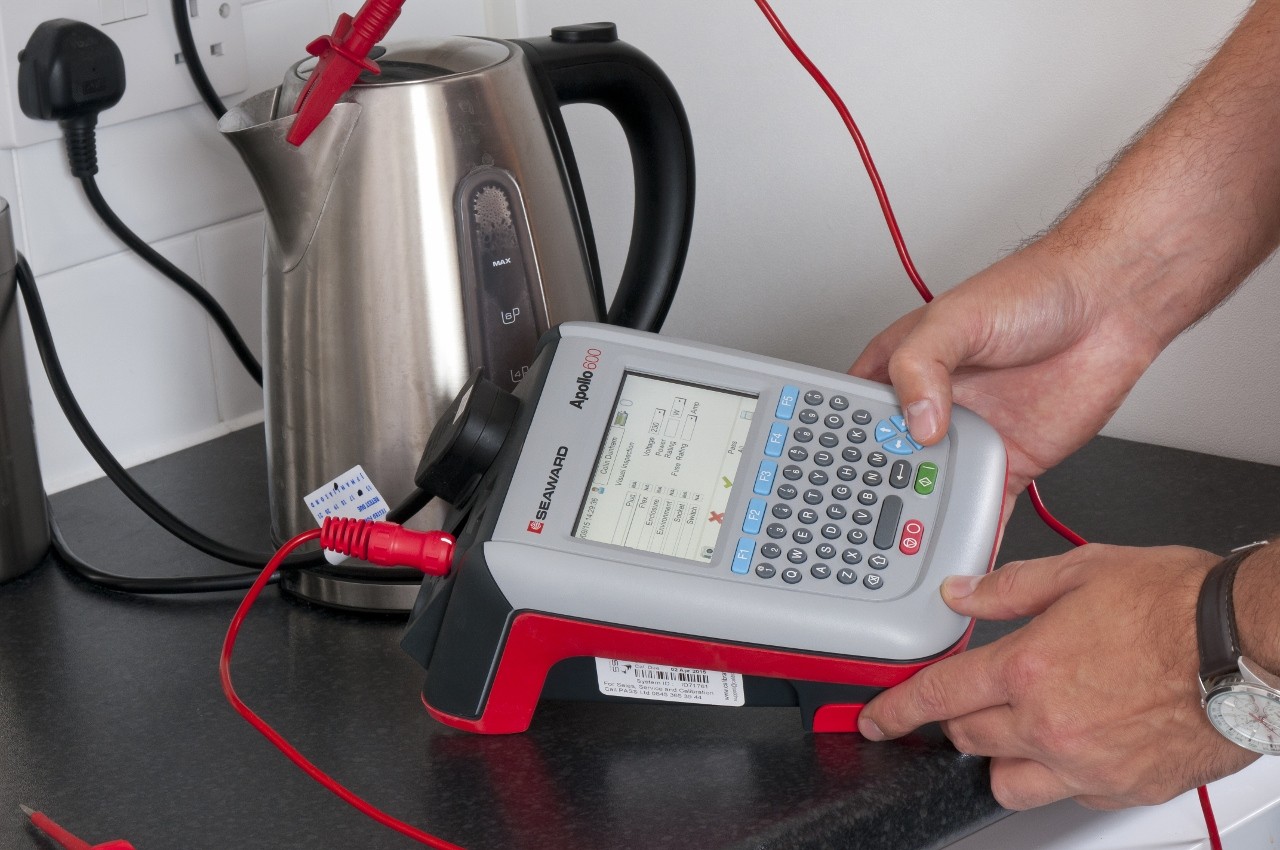
PAT Testing is the official name for checking portable appliances. Landlords and offices use it all the time to stay legal. But if you’ve got a house full of gadgets or a serious home workshop, this kind of professional check goes way beyond just looking for frayed wires.
It’s a lifesaver for old equipment or tools you use in tough spots. The test probes things you can’t see, such as earth continuity, insulation resistance, and lead polarity.
How to Reduce Electrical Risks in Busy Households
Our houses are packed with more gadgets than ever before. All those phones, laptops, and smart devices need power, creating a modern challenge our parents never faced. You need a real plan to stop your circuits from throwing a fit.
Keeping Cables and Extensions Under Control
That tangled mess behind your TV isn’t just ugly. Cords under rugs get pinched and fray without you noticing. Daisy-chaining power strips is a favorite DIY move, but it’s a fire waiting to happen. Keep your power strips in the open where heat can escape. Tidy cables are safe cables; it’s that simple.
Managing High-Load Devices Safely
Don’t run your space heater and air fryer in the same room. Spread your power-hungry appliances around the house. The kitchen is a major trouble spot. According to our analysts, kitchen breakers trip most often because we demand too much from one outlet. That sustained load slowly cooks the wiring inside your walls.
Practical Tips for Everyday Use
Small habits create big safety gains. These simple rules work in any home:
- Unplug chargers and devices when not in use,
- Keep appliances away from heat and water sources,
- Avoid cheap, unbranded extension cords,
- Stop overloading outlets with adapters.
These basic practices form your first defense against electrical hazards. Consistent routine matters more than occasional perfect compliance.
Final Thoughts
Home electrical safety depends more on consistent vigilance than on occasional heroic effort. Small daily habits, combined with periodic visual checks and the wisdom to call professionals when needed, create a comprehensive defensive strategy.
The ultimate goal is building an environment where safety becomes automatic and integrated. This lets you use your devices and enjoy your home without that underlying concern about what might be developing behind the walls or inside those silent, humming plugs. It’s about peace of mind, really.
