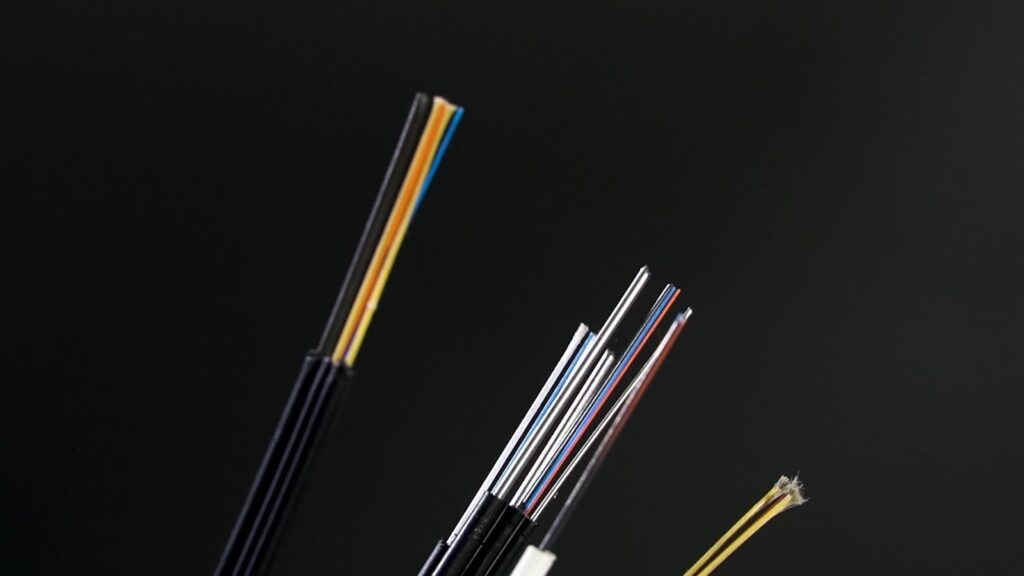
An FTTH drop cable plays a crucial role in modern fiber-to-the-home networks by delivering high-speed internet, voice, and data services directly to end users. As the final link between the service provider and the customer premises, this cable must be reliable, durable, and easy to install. Round FTTH drop cables are specifically designed to meet these requirements, offering consistent optical performance and long-term stability in both indoor and outdoor environments.
With the global expansion of FTTH infrastructure, selecting the right drop cable has become essential for network efficiency, customer satisfaction, and reduced maintenance costs.
What Is an FTTH Drop Cable?
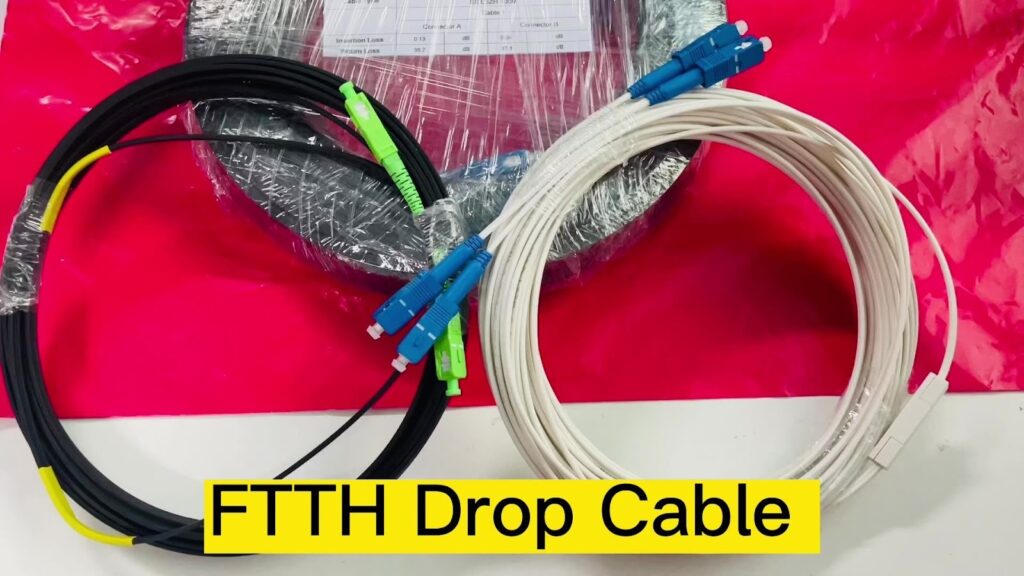
An FTTH drop cable is a fiber optic cable used in the last-mile segment of fiber networks. It connects the optical distribution point, such as a fiber access terminal or splitter box, to individual homes, apartments, or offices. Unlike backbone or feeder cables, FTTH drop cables are lightweight, compact, and optimized for short-distance installations.
The round FTTH drop cable features a circular structure that improves flexibility and mechanical protection. This design allows the cable to be routed through conduits, walls, and narrow spaces while maintaining fiber integrity and signal quality.
Key Features of Round FTTH Drop Cable
Compact and Flexible Structure
One of the main advantages of a round FTTH drop cable is its flexibility. The round shape allows smooth bending and easy handling during installation, making it suitable for indoor wiring, wall routing, and external building entry points.
Strong Mechanical Protection
Round FTTH drop cables are reinforced with strength members such as steel wire or FRP rods. These components provide excellent tensile strength and resistance to crushing, ensuring the cable can withstand pulling forces and external pressure during installation and daily use.
Stable Optical Transmission
High-quality single-mode optical fibers are used in FTTH drop cables to ensure low attenuation and high bandwidth. This guarantees stable signal transmission for broadband internet, IPTV, and voice services.
Construction and Material Design
Optical Fiber Core
FTTH drop cables commonly use G.652.D or G.657 fiber types. These fibers support long-distance transmission and tight bending requirements, making them ideal for both indoor and outdoor FTTH deployments.
Durable Outer Jacket
The outer jacket of a round FTTH drop cable is designed to protect the fiber from environmental factors. LSZH jackets are preferred for indoor applications due to their low smoke and flame-retardant properties, while PE jackets are suitable for outdoor installations where UV and moisture resistance are required.
Integrated Strength Members
Strength members embedded within the cable structure protect the optical fiber from stretching and bending damage. This ensures long-term reliability and consistent performance even in challenging installation conditions.
Applications of FTTH Drop Cable
Residential FTTH Networks
FTTH drop cables are widely used to connect individual homes to fiber distribution networks. Their compact size allows for clean and discreet installations without affecting the building structure.
Apartments and Multi-Dwelling Units
In multi-dwelling units, round FTTH drop cables enable efficient routing from floor distribution boxes to individual apartments. Their flexibility simplifies installation while maintaining organized cable management.
Small Commercial Installations
FTTH drop cables are also suitable for small offices and commercial buildings where reliable high-speed connectivity is essential. They support seamless data transmission and easy expansion for future network upgrades.
Benefits of Using High-Quality FTTH Drop Cable
Easy and Fast Installation
The lightweight and flexible design of FTTH drop cables reduces installation time and labor costs. Technicians can easily route and terminate the cable using standard fiber tools.
Long-Term Durability
A well-manufactured FTTH drop cable provides strong resistance to environmental stress, including temperature changes, moisture, and mechanical impact. This reduces the need for frequent maintenance or replacement.
Improved End-User Experience
Stable optical performance ensures consistent internet speeds and reliable connectivity for end users. This directly enhances customer satisfaction and minimizes service interruptions.
Why Choose Round FTTH Drop Cable?
Round FTTH drop cables offer a balanced combination of flexibility, strength, and performance. Their robust construction protects fibers during installation and long-term use, while their compact design supports efficient cable routing in various environments.
For network operators and installers seeking dependable last-mile fiber solutions, round FTTH drop cables provide a practical and cost-effective choice that supports future network growth.
Conclusion
An FTTH drop cable is a vital component of fiber-to-the-home infrastructure. Round FTTH drop cables, in particular, deliver excellent mechanical protection, stable optical performance, and installation flexibility. By choosing a high-quality FTTH drop cable, service providers can ensure reliable last-mile connectivity, reduced maintenance, and a superior experience for end users.
