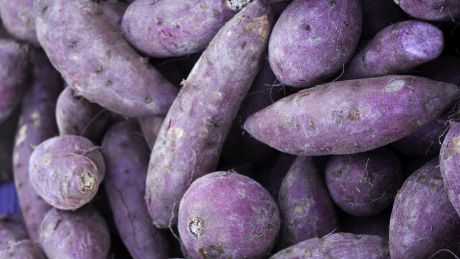
Bright purple, slightly sweet, quietly powerful ube has moved well beyond trendy desserts and into the kitchens of performance-focused athletes. Many active Australians are now asking whether this root vegetable can genuinely support endurance, strength and recovery. The interest makes sense. When training loads increase, nutrition becomes more than calories on a plate; it becomes strategy. Ube offers complex carbohydrates, antioxidants and fibre in a single whole food. The real question is not whether it looks impressive, but whether it delivers measurable value for sport. If you are training hard, chasing marginal gains or simply trying to recover faster between sessions, understanding how ube fits into a performance diet can help you make a sharper decision.
What exactly is ube and why are athletes talking about it?
Ube is a purple yam traditionally grown in Southeast Asia, particularly in the Philippines. It differs from purple sweet potato in both texture and flavour. The flesh is denser, creamier when cooked and naturally sweet without being overpowering. Its striking colour comes from anthocyanins, a group of plant compounds known for their antioxidant activity. Athletes are paying attention because whole-food carbohydrate sources are central to performance. Glycogen stores fuel high-intensity efforts, interval sessions and long endurance blocks. Ube provides complex carbohydrates, meaning the energy release is gradual rather than abrupt. This can support sustained effort during longer sessions or competitions.
There is also a growing shift in Australian sports nutrition towards minimally processed foods. Instead of relying exclusively on refined powders and gels, many athletes are blending traditional staples with whole-food ingredients. Ube fits neatly into that approach. It behaves like a steady-burning log on a campfire rather than a flash of petrol consistent, controlled energy without dramatic spikes.
Nutritional profile: what does ube actually provide?
From a macronutrient perspective, ube is primarily a carbohydrate source with small amounts of protein and negligible fat. That profile makes it useful for fuelling rather than muscle building directly. The key lies in its micronutrients and phytonutrients. Ube typically contains:
- Complex carbohydrates
- Dietary fibre
- Potassium
- Vitamin C
- Anthocyanins
The dietary fibre content supports digestive health, which is often overlooked in performance discussions. Gut comfort and nutrient absorption influence consistency in training. Potassium contributes to muscle contraction and fluid balance, both relevant during intense sessions in Australia’s warmer climates. Anthocyanins attract the most attention. These antioxidant compounds may help reduce oxidative stress triggered by repeated high-intensity effort. While they are not a magic shield, lowering oxidative stress can support recovery over time. Athletes chasing marginal improvements often focus on recovery as much as performance itself.
Can ube support endurance and stamina?
Endurance performance depends heavily on carbohydrate availability. During prolonged activity, muscle glycogen depletion is a primary limiting factor. Because ube delivers slow-release carbohydrates, it may help stabilise blood glucose when consumed as part of a balanced pre-training meal. For distance runners, cyclists or team sport athletes completing long sessions, pairing ube with a lean protein source can create a balanced fuelling strategy. The carbohydrate component restores glycogen, while protein supports muscle repair.
It is important to remain realistic. Ube does not replace targeted sports nutrition during competition where rapid absorption is required. Energy gels and sports drinks still serve a practical function in high-intensity race settings. Ube works better in everyday fuelling, recovery meals or pre-session preparation. Some athletes in Australia are exploring organic ube options to ensure consistent quality and minimal processing. Choosing whole-food sources with reliable supply can make integration into a weekly meal plan more practical. The value comes from consistency rather than occasional novelty.
Does ube help with recovery and muscle repair?
Recovery involves multiple systems: muscle repair, inflammation management, glycogen restoration and hydration. Ube contributes mainly through carbohydrate replenishment and antioxidant support.
Glycogen restoration
After intense training, muscles are primed to absorb carbohydrates. Consuming a carbohydrate-rich food within the recovery window supports faster glycogen replenishment. Ube, when eaten in adequate portions, can play this role effectively. For example, combining mashed ube with grilled chicken or tofu provides both carbohydrates and protein. That pairing addresses two core recovery mechanisms without relying on ultra-processed alternatives.
Oxidative stress management
High training volumes increase free radical production. While the body has its own antioxidant systems, dietary antioxidants can complement them. The anthocyanin content in ube gives it its deep purple hue and contributes antioxidant activity. This does not mean soreness disappears overnight. It means the nutritional environment may be more supportive of long-term adaptation. Think of it as maintaining the condition of your engine rather than patching it after breakdown.
How can athletes integrate ube into a practical meal plan?
Practicality determines whether a food becomes a staple or a short-lived trend. Ube can be boiled, steamed, baked or blended into smoothies. Its mild sweetness works well in both savoury and slightly sweet dishes. For breakfast, diced ube can replace part of a traditional carb source in a post-training bowl with yoghurt and fruit. For lunch or dinner, roasted ube cubes pair well with lean meats and leafy greens. Athletes who batch cook can prepare several portions in advance, simplifying weekly fuelling. Portion control matters. Performance goals differ between endurance athletes, strength athletes and those focused on body composition. The carbohydrate density of ube should align with training volume. During high-load weeks, larger servings may be appropriate. During lighter phases, moderation maintains balance.
Is ube really the best ally for athletes?
Ube is not a miracle ingredient, yet it holds genuine value in a performance-focused diet. Its complex carbohydrates support sustained energy, its potassium contributes to muscle function and its antioxidant compounds complement recovery strategies. For Australian athletes seeking whole-food options that align with demanding training schedules, ube can be a smart addition. The real advantage comes from how you use it. Integrated thoughtfully, it strengthens your nutritional foundation. Used sporadically without structure, it becomes just another colourful trend. If your goal is consistent performance, consider whether your current fuelling strategy leaves room for a steady, purple ally on your plate.
