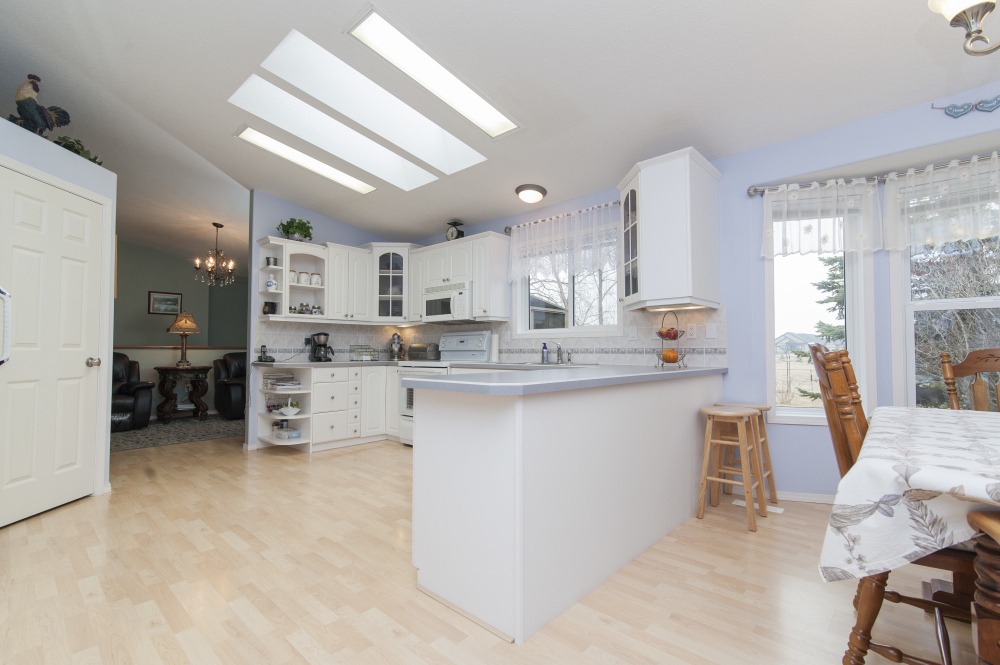
Renovating a kitchen can be a major disturbance and strain on the household, beyond the costs. Surprisingly, most cost overruns don’t happen during the construction phase, but before any work even begins. This is because changes and delays during the design and product selection stage create a snowball effect that makes everything more expensive.
Separate your must-haves from your nice-to-haves
Before you start figuring out what you’re willing to spend on your kitchen – and what it can actually be for that amount – there are two lists you need to create. The first is your non-negotiables: a layout that works, enough storage, appliances that suit the way you cook. The second is your wouldn’t-it-be-nice-items: the butler’s pantry, the integrated fridge, the hand-laid tile splashback.
Items from the second list aren’t unimportant. But when push comes to shove, and the quote is more than you’d expected, you need to know which part of the budget your wants are coming from. High-use elements, plumbing, and structural work should be taking up the biggest slice of your kitchen budget, not the artisanal tiles. Because a spectacular benchtop plopped on top of a low quality cabinet leaves you with a low quality kitchen.
Map the plumbing and electrical before you choose a tile
This is often where a lot of early-stage planning comes unstuck. You choose your cabinetry, pick your benchtop, and then find that moving the sink to the island will mean extensive, expensive, slow work to reroute waste pipes beneath the slab. That isn’t lipstick. It also isn’t negotiable if the layout dictates.
Gas lines, waste pipes, and electrical circuits collectively can amount to 20% of the total bill. Knowing this in advance lets you look at your plan and know what each scenario is going to actually cost. It also tells you what permits stage one and two need. They aren’t optional. Anything structural (like taking out a load-bearing wall for an open-plan conversion), plumbing, gas, or electrical in nature needs to be signed-off before work commences.
Think in zones, not just triangles
The old work triangle – the trajectory between your sink, stove, and fridge – is still a good rule of thumb for one-cook kitchens. But if there are two or more people in the kitchen a lot, a zone-based design makes more sense.
Zoning just means dividing the space into areas for food storage, food prep, cooking, and cleaning. When these are all set up logically, two people can work without continuously getting in each other’s way. Again, it’s much easier to get this right before you order cabinets.
Ergonomics are also vital. Counter height, drawer-cabinet interplay, and upper-cabinet depth can all make your kitchen a delight to use every day, or actively annoying. If you’re using a Veejay’s Renovations designer, sharing any particular ergonomic needs you have early means they can design them in, rather than retrofit them later.
Choose materials for your actual life
Quartz or granite splashbacks and flooring choices ought to be based on their functional advantages rather than simply aesthetics. For example, if you have young kids or do a lot of cooking, it is more practical to invest in surfaces that are rugged, long-lasting, and easy to clean. Similarly, if any of your cooking appliances are placed near the splashback, you will need something that is high-heat resistant. In such scenarios, the visual appeal takes a backseat.
The same is true for task lighting, which often is overlooked at the planning stage. Whether it is the under-cabinet lighting, island lighting, or adequate lighting available near the sink; all these impact how you work in the kitchen every day. Hence, one should not relegate them to the background and compromise their quality.
Build a contingency into the plan from day one
Renovation budgets usually do not go overboard due to poor decisions, but rather unexpected surprises, such as having to replace outdated wiring, discovering damage under the subfloor, or finding water damage behind old cabinetry.
Having a 10 to 15 percent buffer for contingencies is not expecting the worst, it is simply being prepared for the unforeseen circumstances that come with most renovations. For a $30,000 to $35,000 renovation, which reflects current average costs, that’s $3,000 to $5,000 you should be withholding expressly for the “we didn’t see that coming”.
In most cases, you won’t need all of it. In some cases, you’ll need every cent of it. The peace of mind comes with knowing it’s there and you don’t have to make rushed decisions mid-project because something came up that wasn’t budgeted.
The sequence matters more than the style
Each step in this list is rooted in one basic philosophy: form should follow function. Deciding on the design, amenities, and products that work best for your family first, before getting caught up in hardware and paint decisions, isn’t the less fun way to approach a remodel. It’s the way to ensure that you’ll still love your kitchen in a decade. Aesthetics will fall into place if you follow the right order.
