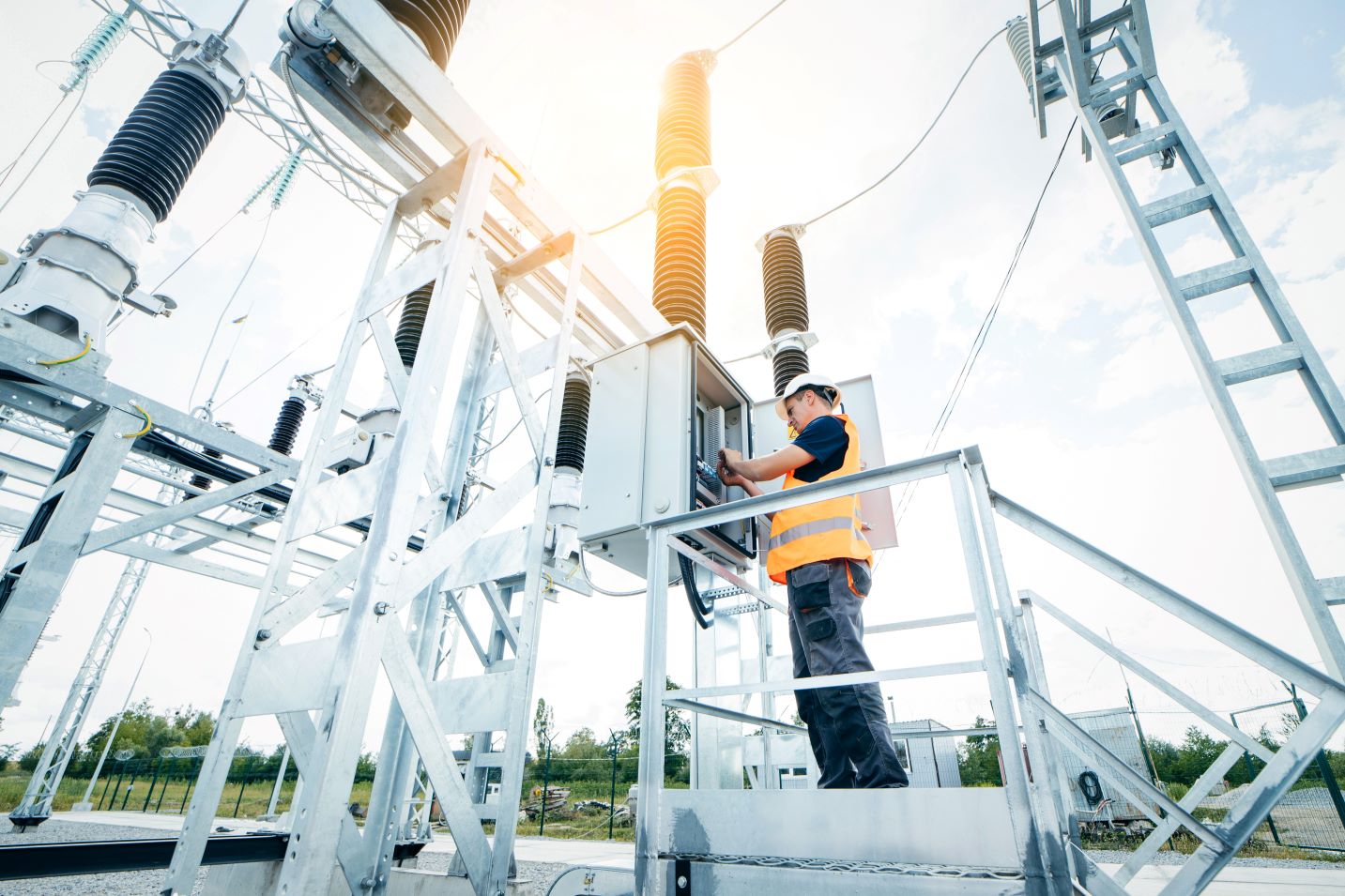
Every commercial building relies on electricity to function smoothly. From lighting and climate control to data systems and specialized equipment, electrical infrastructure forms the backbone of day-to-day operations. Yet many property owners and facility managers underestimate how important well-designed and properly maintained electrical systems truly are.
As businesses increasingly depend on technology, automation, and energy-efficient solutions, the role of professional commercial electricians has become more essential than ever. Understanding how electrical infrastructure supports business operations can help organizations prevent downtime, improve safety, and support long-term growth.
The Hidden Complexity of Commercial Electrical Systems
Unlike residential wiring, commercial electrical systems are far more complex. Office buildings, retail centers, manufacturing facilities, and healthcare spaces all require specialized electrical planning and installation.
A typical commercial system must support:
- High electrical loads
- Multiple distribution panels
- Backup power systems
- Advanced lighting control systems
- HVAC power requirements
- Data infrastructure
- Security and fire alarm systems
Each component must be carefully integrated so the building operates efficiently and safely. Even minor electrical issues can disrupt business operations, damage equipment, or create safety hazards.
Because of this complexity, commercial electrical work requires a different level of planning, expertise, and regulatory compliance compared to residential projects.
Why Electrical Reliability Matters for Businesses
Electrical reliability is not simply a technical concern—it directly affects productivity, safety, and operational continuity.
Preventing Costly Downtime
Power interruptions can halt business operations instantly. For businesses that rely on computers, machinery, refrigeration, or data systems, even a short outage can lead to financial losses.
Reliable electrical design helps prevent:
- Circuit overloads
- System failures
- Equipment damage
- Unexpected shutdowns
Protecting Sensitive Equipment
Modern offices and industrial environments rely heavily on sensitive electronics. Improper wiring, voltage fluctuations, or outdated electrical panels can damage servers, computers, and automated systems.
Professional electrical planning ensures stable power distribution and proper surge protection.
Meeting Safety and Compliance Standards
Commercial buildings must meet strict electrical codes and safety regulations. Improper installations or outdated systems can create risks such as:
- Electrical fires
- Overheating circuits
- Faulty grounding
- Unsafe emergency lighting
Working with experienced professionals ensures that installations meet code requirements and maintain safe operating conditions.
The Role of Professional Commercial Electricians
Commercial electricians do much more than install wiring. They provide comprehensive services that support the long-term electrical health of a building.
Their work often includes:
- Electrical system design and planning
- New construction wiring
- Electrical panel upgrades
- Lighting system installation
- Energy efficiency improvements
- Backup generator installation
- Electrical troubleshooting and maintenance
For businesses operating in high-demand environments like technology hubs and industrial regions, having access to experienced specialists is particularly important. Many companies turn to experienced teams such as Bay Area commercial electricians who understand the unique infrastructure demands of large-scale facilities and modern commercial developments.
These professionals help ensure electrical systems are built to handle both current needs and future expansion.
Energy Efficiency and Modern Electrical Design
Energy efficiency has become a major priority for commercial buildings. Businesses are increasingly looking for ways to reduce energy consumption while maintaining high performance.
Electrical system upgrades can significantly improve efficiency through:
LED Lighting Systems
LED lighting consumes far less energy than traditional lighting while providing better brightness and longer lifespans. Many commercial buildings are transitioning to LED systems combined with smart controls.
Smart Energy Management
Modern electrical systems often include smart monitoring tools that track energy usage and identify inefficiencies. These systems allow building managers to optimize power consumption.
Efficient Power Distribution
Older buildings may suffer from inefficient electrical layouts. Upgrading distribution panels, transformers, and wiring can improve overall system performance and reduce wasted energy.
Energy-efficient upgrades not only reduce operating costs but also help businesses meet sustainability goals and regulatory requirements.
Planning for Future Growth
One common mistake businesses make is designing electrical systems only for current needs. As companies expand, their electrical demand often grows significantly.
A future-ready electrical plan considers:
- Additional workspace or facility expansion
- Increased technology usage
- EV charging infrastructure
- Expanded data systems
- New machinery or equipment
Building scalability into electrical infrastructure helps organizations avoid expensive retrofits later.
Professional electricians can evaluate load capacity and design systems that allow for growth without major disruptions.
The Importance of Preventative Maintenance
Electrical systems require ongoing maintenance to remain safe and reliable. Unfortunately, many businesses only address electrical problems after something fails.
Preventative maintenance helps identify potential issues before they become serious.
Regular inspections can detect:
- Loose connections
- Overloaded circuits
- Aging wiring
- Panel wear and corrosion
- Grounding problems
Routine electrical assessments not only improve safety but also extend the lifespan of critical infrastructure.
Maintenance programs are particularly important for facilities that operate around the clock, such as data centers, manufacturing plants, and hospitals.
Supporting Business Continuity
Businesses today cannot afford prolonged interruptions in power. Reliable electrical systems support operational continuity by reducing risks and ensuring stable performance.
Backup systems such as generators and battery storage are increasingly integrated into commercial electrical planning. These systems help maintain operations during outages, severe weather events, or grid disruptions.
When properly installed and maintained, backup power systems can keep essential services running while preventing revenue loss and operational setbacks.
Conclusion
Electricity powers nearly every aspect of modern commercial buildings, yet the systems behind it often go unnoticed until problems arise. From supporting daily operations to enabling energy efficiency and future expansion, well-designed electrical infrastructure is a vital investment for any business.
Working with experienced professionals ensures that electrical systems are safe, scalable, and capable of supporting modern technology demands. Skilled teams such as Bay Area commercial electricians help businesses design, install, and maintain electrical systems that support long-term reliability and performance.
By prioritizing proper planning, preventative maintenance, and modern upgrades, commercial property owners can create safer, more efficient environments that allow businesses to operate without interruption.
