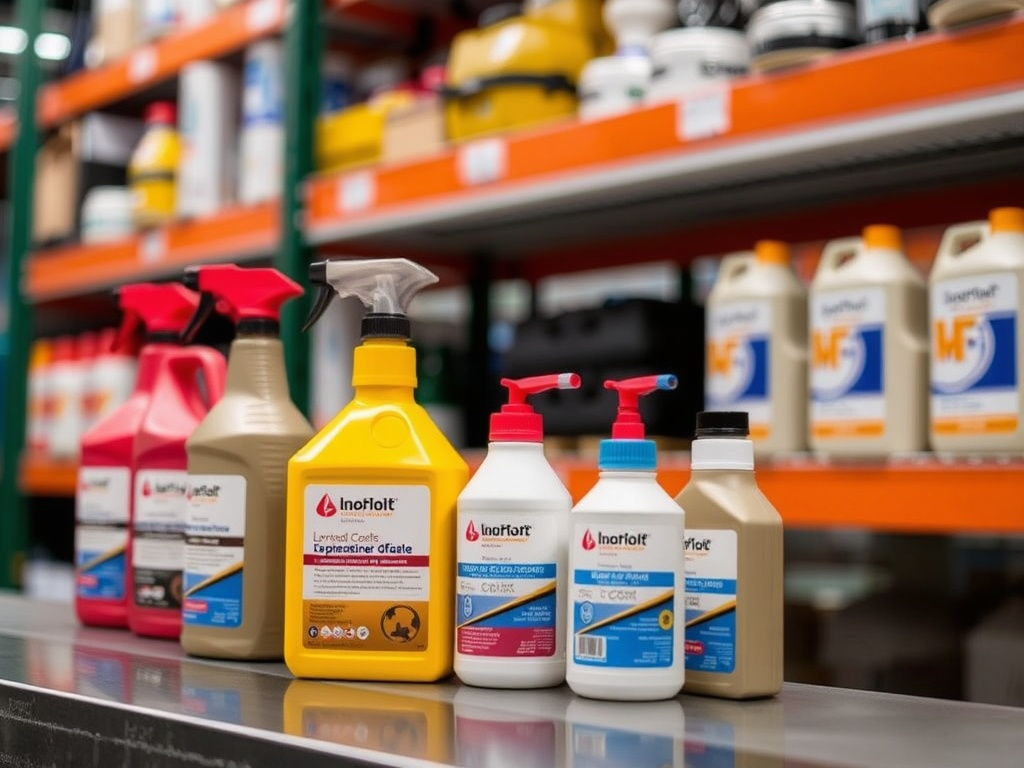
When Packaging Starts Creating Friction
Many businesses continue using the same packaging formats simply because they always have. Over time, those choices can quietly introduce inefficiencies into daily operations. Rigid bottles, oversized tubes, and awkward containers often slow down handling, create unnecessary waste, and take up valuable storage space. Reviewing how products are packaged can uncover opportunities to simplify workflows and reduce hidden costs.
For organisations managing maintenance, logistics, or production environments, small inefficiencies multiply quickly. When teams spend extra time cleaning nozzles, managing leaks, or reorganising crowded shelves, productivity suffers. Improving lubricant packaging at the source can remove many of these friction points before they affect output.
Signs Your Current Format Is Limiting Performance
One of the clearest indicators that packaging needs attention is ongoing product waste. When containers release too much product at once or make precise application difficult, overuse becomes common. Excess lubricant can create safety issues, attract dirt, and increase clean up time, all of which slow down everyday tasks.
Storage challenges also highlight packaging inefficiencies. Bulky containers restrict how many units fit on shelves, in vehicles, or in tool storage areas. This often leads to frequent restocking, higher transport volume, and poor visibility over stock levels. Packaging that uses space more effectively allows teams to organise materials logically and access them quickly.
How Smarter Packaging Improves Daily Operations
More efficient packaging formats introduce consistency into daily routines. Portion controlled packs make it easier for teams to apply the correct amount of product every time, improving reliability and reducing waste. Handling becomes simpler, which supports faster job completion and cleaner working environments.
Lightweight formats also support better logistics. More units can be transported per delivery, and storage areas remain easier to manage. Reduced material usage contributes to lower disposal volumes and improved sustainability performance without complicating operational processes.
Supporting Better Planning and Stock Control
Modern businesses rely on predictable usage data to plan purchasing and maintenance schedules accurately. When packaging delivers inconsistent volumes, forecasting becomes harder and stock levels fluctuate unnecessarily. Consistent packaging units make it easier to track consumption and maintain stable inventory levels.
Clear labelling and controlled usage also support compliance and reporting. Teams can identify product batches quickly, monitor consumption patterns, and reduce the risk of shortages or over ordering. These improvements strengthen operational control while keeping day to day work straightforward and efficient.
