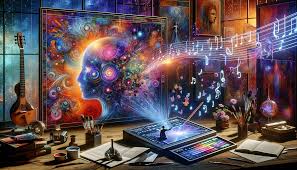
Art has always been a pulse — a heartbeat that moves through time, society, and imagination. But today’s pulse is louder, faster, more eclectic, and more boundary-breaking than ever. With the growing influence of digital tools, online communities, modern design trends, and cross-media creativity, the art world is experiencing a renaissance that blends traditional painting techniques with futuristic visions.
A platform like PaintPulse embodies this cultural shift. It represents the blend of craftsmanship and digital innovation — a space where colour, texture, technique, and modern creativity merge. Artists today are not just painting canvases; they are shaping digital identities, telling visual stories, and altering how we experience the world around us.
In this article, we explore the evolution of modern art, the rise of hybrid creativity, the cultural influence of digital communities, and — as a relevant example — how even entertainment platforms like Slot88 incorporate artistic trends through design, animation, and visual storytelling.
The New Age of Artistic Expression
For centuries, painting has captured emotions, politics, spirituality, and imagination. But the painter of today works in an environment radically different from any before. Instead of being confined to studios, galleries, or local exposure, today’s artists live inside a global creative ecosystem.
1. Art Is No Longer Bound by Geography
Thanks to social media, global art platforms, video-sharing networks, and online exhibitions, artists in one corner of the world can influence and inspire creators thousands of miles away. Techniques spread faster, trends evolve quickly, and collaborations跨越 continents happen with ease.
Platforms showcasing art — from abstract paintings to hyper-realism, minimalism to maximalism — have made artistic styles accessible to everyone. You no longer need to visit a gallery in London or Paris to experience breathtaking art. It lives online, accessible 24/7.
2. Artists Are Blurring the Lines Between Mediums
Painting isn’t just acrylic on canvas anymore. Today, artists blend:
- traditional oils
- digital brushes
- mixed media
- photography
- AI-assisted tools
- 3D design
- augmented reality overlays
The result? Hybrid art forms that challenge what painting means. A digital landscape might start as a hand-painted sketch. A mural might be created alongside a projection map. The creative possibilities are infinite — limited only by imagination.
3. Creativity Is Becoming a Lifestyle, Not Just a Skill
Modern creators treat art not only as a product but as a lifestyle. Their palettes blend with fashion choices, workspace aesthetics, brand building, and identity.
From artists painting their morning routines on TikTok to YouTubers showing detailed process videos, the act of creation has become entertainment, education, and community building.
The Rise of Digital Studios: Where Traditional Meets Futuristic
We often hear the question: Is digital art real art?
The answer is simple: yes — it’s an evolution of the craft.
Digital tools allow artists to paint with precision, experiment without fear, and reach larger audiences. But modern digital studios don’t replace traditional painting; they expand it.
Digital Tools Empower Artists
Tools like Procreate, Adobe Fresco, and AI-assisted enhancement help creators:
- simulate realistic paint strokes
- customize textures
- explore unlimited colour palettes
- undo experimental mistakes
- create multiple versions of a concept
This has democratized painting like never before.
Traditional Artists Are Using Digital References
Even those who swear by canvas often use digital tools to:
- draft sketches
- adjust lighting references
- plan compositions
- test colour schemes
It’s no longer digital versus traditional — it’s digital and traditional, working together.
Visual Identity in a Hyper-Connected World
In today’s world, visuals matter more than ever. Every brand, influencer, creator, and business needs a strong visual identity — meaning artists and designers hold tremendous influence.
Colour Psychology Has Become Mainstream
People now pay attention to how colours affect mood, purchasing decisions, and perception. Soft greens for wellness brands, bold reds for high energy, pastel aesthetics for calm and comfort — these trends echo through visual culture.
Art Is Becoming a Personal Brand
Creators build their identity through:
- signature brush styles
- recognisable colour schemes
- unique textures
- thematic motifs
This branding helps them stand out in a crowded digital landscape.
Demand for Custom Art Is Rising
Homeowners want bespoke paintings. Businesses want murals. Content creators want custom illustrations. Digital artists receive commissions from all around the world.
Art is alive — and thriving.
Digital Entertainment & Artistic Influence: The Slot88 Example
Now, let’s look at an unexpected but relevant example: Slot88 — an online entertainment platform known for its slot-style games and visually immersive themes.
Why mention Slot88 in an article about modern art?
Because Slot88 — like many digital entertainment platforms — is driven heavily by visual design, animation, and art direction.
It shows how artistic style influences industries far beyond traditional galleries.
How Slot88 Uses Artistic Elements
Many of Slot88’s game designs feature:
- vibrant colour combinations
- character illustrations
- fantasy-themed environments
- iconography inspired by mythology, nature, or pop culture
- high-resolution animations
- dynamic lighting effects
These elements are crafted by digital artists who blend painting skills with motion graphics and UI design.
The Connection to the Art World
Platforms like slot88 demonstrate that visual creativity has commercial and cultural power. Artists today don’t just create paintings — they design worlds, moods, and visual experiences that millions interact with daily.
While entertainment platforms carry their own risks and require responsible use, they also highlight how art permeates digital culture in unexpected ways.
The Psychology of Colour & Composition in Modern Living
The modern individual is surrounded by screens, images, and visual interfaces. This heightens the importance of artistic elements in daily life.
Colour Shapes Emotion
- Blues create calm
- Yellow sparks creativity
- Reds heighten energy
- Earth tones ground and soothe
Knowing this, designers and artists intentionally use palettes to influence how people feel — whether in a home interior, a smartphone app, or a digital illustration.
Composition Influences Behaviour
Eye-flow design, balance, symmetry, and focal points affect:
- user decisions
- attention span
- mood
- engagement
These principles guide everything from website layouts to street murals.
Why Art Matters More Today Than Ever
In a fast-paced, hyper-connected world, art offers:
1. Emotional Relief
Painting, viewing art, or engaging with colour can reduce stress and improve mental well-being.
2. Identity & Self-Expression
People use art to express individuality in a world that often feels too uniform.
3. Cultural Connection
Art brings together traditions, innovations, and global influences — reflecting society’s heartbeat.
4. Innovation Across Industries
From game design to advertising, architecture to fashion — art fuels innovation everywhere.
The Future of Painting & Digital Art
The future promises deeper integration between physical and digital creativity.
Hybrid galleries where physical paintings come alive through augmented reality overlays.
AI-aided canvases that allow artists to blend human emotion with digital precision.
Interactive murals responding to movement or sound.
Eco-friendly art materials reducing waste and environmental impact.
Global creative communities collaborating in real time.
Artists will continue to shape how we think, feel, communicate, and experience the world.
