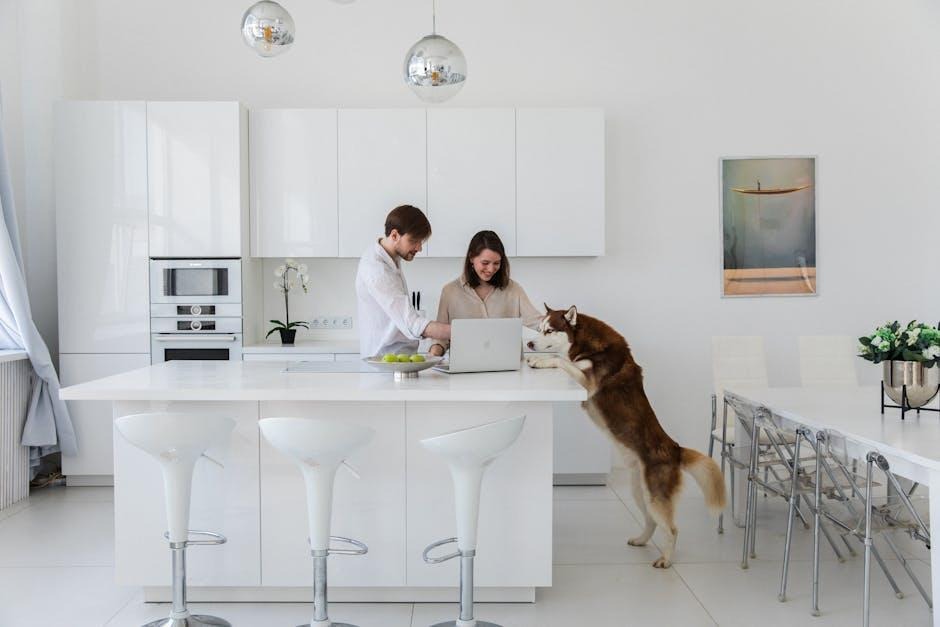
Every kitchen claims to be the heart of a home. Yet anyone with children, mismatched mugs, or the odd mystery smell knows it can quickly turn from cosy hubs to chaotic battlegrounds. So often, frantic mornings spill into noisy evenings. Shoes pile up under the table. Arguments break out over fridge space. Lost lunchboxes spark mild crises before school. Peace often seems like pure fantasy here. Still, small changes matter far more than sweeping renovations or impossible storage hacks from glossy magazines. The answer sits in choices anyone can make, simple fixes that go beyond cleaning or buying new gadgets. A family kitchen can become calmer without superhuman effort.
- Clear Surfaces, Clear Minds
Clutter does not add character. It muddies thinking and slows everyone down. Too many tins jostling for space on counters invite mess, not connection. What is the quickest fix? Strip surfaces back to essentials: kettle, toaster, maybe a fruit bowl if that’s all you’ll eat before it goes soft. Need inspiration? Some families decide to buy an Aga and realise that half their old gadgets never come out again. That’s proof that most of them were only getting in the way anyway. The real benefit arrives when everyone starts using clear surfaces as standard rather than as an exception. Suddenly, chopping vegetables feels less like solving a puzzle.
Zones Stop The Rush
One clever division can silence fights and bottlenecks at breakfast time faster than any motivational poster ever could. Create zones by thinking less about beauty and more about function: a drinks corner away from food prep (so someone making tea won’t block pancake flipping) and an obvious snack drawer within reach for hungry hands (and away from hot pans). Storage baskets or simple labelling keep chaos contained, even on tired evenings when nobody wants to put things back properly, but still do because it’s easy now. Efficiency becomes invisible once habits form. The room almost runs itself without anyone noticing.
Bring In Calm Colours
White tiles might look spotless in showrooms, but ask any parent how they feel after scrubbing little handprints off them for the fifth time this month: exhaustion sets in fast. Soft colours change everything without costing too much or tearing down walls. Gentle greens or earthy neutrals dampen visual noise so brains relax before meals even start, a trick designers borrow straight from nature itself (think: mossy woods versus motorway service stations). Painting cupboard doors instead of every wall achieves impact with minimum fuss. Just one swap makes busy spaces feel inviting rather than overwhelming.
Add One Daily Ritual
There is no need for grand committee meetings on this issue. Just pick something tiny yet repeatable that gives shape to each day amid all the usual hustle: lighting a candle before dinner, passing around a favourite mug for morning tea, or even setting a mini timer for everyone to tidy up together before evening begins properly. These rituals anchor families amidst unpredictability. Children learn what calm looks like through repeated action more reliably than any lecture ever delivered over washing-up bubbles has achieved yet. Rituals do not slow things down. They create moments families actually want to linger in.
Conclusion
Influencers who’ve never seen flour explode across three generations of cabinets during a Sunday bake-off may discount small issues in favour of huge renovation ideas. However, even modest changes bring real peace to the most important part of life: family. Clean surfaces naturally calm minds. Zones remove the friction no one needs at 7 am. Colours quietly affect moods until dinnertime, calming everyone. Rituals purposefully place pause buttons in daily rushes and stumbles. Change begins, then calm follows.
Image attributed to Pexels.com
