Introduction
FastTurn PCB has built a strong reputation in the electronics industry by focusing on strict quality control standards at every stage of production. In modern electronics manufacturing, even a small defect in a circuit board can lead to system failure, which is why careful inspection and testing are essential. The company’s approach combines advanced technology, skilled engineers, and well-defined processes to ensure every board meets international performance requirements. This is especially important in high-density interconnect applications where hdi pcb fabrication demands extreme precision and consistency.
In today’s competitive market, customers expect reliability, speed, and long-term durability from their PCB suppliers. FastTurn PCB addresses these expectations by maintaining a structured quality system that covers raw materials, design validation, production monitoring, and final testing. Their workflow is designed to reduce errors and improve yield rates while keeping production efficient. By integrating smart inspection methods and continuous improvement practices, they ensure that every PCB leaving the facility supports stable electronic performance across industries.
Strict incoming material inspection and supplier evaluation
One of the most important quality control steps at FastTurn PCB is the strict inspection of incoming materials. Before production begins, all raw materials such as copper foils, laminates, solder masks, and prepregs are carefully tested to confirm they meet required specifications. This step ensures that only high-grade materials enter the manufacturing line, reducing the risk of defects later in the process. It is a foundational part of reliable PCB production and plays a key role in maintaining consistency across batches.
Supplier evaluation is also a major part of this process. FastTurn PCB works only with certified and trusted suppliers who can consistently deliver materials that meet international standards. This careful selection process supports stable hdi pcb fabrication results and ensures long-term reliability. By combining material testing with supplier audits, the company builds a strong quality foundation that supports all later production stages and helps maintain customer trust.
Precision in HDI PCB fabrication processes
High-density interconnect boards require extremely accurate manufacturing techniques, and FastTurn PCB places strong emphasis on precision throughout the hdi pcb fabrication process. Each layer of the board is carefully aligned and processed using advanced imaging and drilling systems. This ensures that microvias, fine traces, and complex layer structures are created with minimal deviation. Even the smallest error can affect performance, so strict process control is maintained at every step.
To support this level of precision, FastTurn PCB uses controlled environmental conditions and advanced engineering methods. Temperature, humidity, and dust levels are closely monitored to prevent contamination or distortion during fabrication. These controls help maintain signal integrity and ensure stable electrical performance in the final product. As a result, customers receive PCBs that meet high-density design requirements while maintaining durability and long-term reliability in real-world applications.
In-process quality monitoring and automated testing
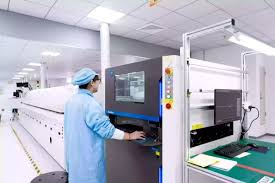
During production, FastTurn PCB applies continuous in-process monitoring to detect issues early and reduce waste. Automated optical inspection systems and real-time monitoring tools are used to examine circuit patterns, trace widths, and alignment accuracy. This ensures that any deviation is quickly identified and corrected before moving to the next stage. Such monitoring is especially important in hdi pcb fabrication, where tight tolerances are required for successful performance.
In addition to automation, skilled technicians regularly review production data to ensure process stability. This combination of human expertise and machine precision creates a balanced quality system that improves accuracy and efficiency. FastTurn PCB’s commitment to real-time monitoring helps reduce production errors and ensures that every board maintains consistent quality from start to finish. This approach also improves delivery reliability for customers in fast-paced industries.
Advanced equipment calibration and production control
FastTurn PCB ensures that all manufacturing equipment is regularly calibrated to maintain accuracy and consistency. Machines used in drilling, plating, imaging, and etching are checked against strict calibration schedules. This prevents measurement drift and ensures that every production run follows exact specifications. In high-precision hdi pcb fabrication, even minor equipment variations can affect product performance, so this step is critical.
Production control systems are also integrated into the workflow to track every stage of manufacturing. These systems collect real-time data, allowing engineers to make quick adjustments when needed. By maintaining tight control over equipment and production parameters, FastTurn PCB ensures stable output quality. This structured approach reduces variation between batches and helps deliver PCBs that meet both standard and advanced electronic requirements.
Final inspection and electrical testing standards
Before any PCB is shipped, FastTurn PCB performs a detailed final inspection to verify both visual and electrical quality. This includes checking surface finish, solder mask alignment, hole accuracy, and overall structural integrity. Each board is carefully reviewed to ensure it meets customer design requirements and industry standards. This final step is essential for confirming that no defects remain before delivery.
Electrical testing is also a key part of this stage, especially for complex hdi pcb fabrication projects. Continuity tests, insulation resistance tests, and signal integrity checks are performed to ensure reliable performance under real operating conditions. These tests help confirm that each PCB can function properly in demanding electronic systems. By combining visual inspection with electrical validation, FastTurn PCB ensures complete product reliability.
Continuous improvement and compliance with global standards
FastTurn PCB follows a continuous improvement strategy to enhance product quality and manufacturing efficiency over time. Feedback from inspections, customer reports, and internal audits is carefully analyzed to identify areas for improvement. This helps the company refine its processes and adopt better technologies that support higher precision in hdi pcb fabrication. Continuous learning is a core part of their quality culture.
In addition, the company complies with global manufacturing standards such as ISO-based quality systems and industry-specific requirements. This ensures that all products meet international expectations for safety, performance, and reliability. By maintaining strict compliance and focusing on improvement, FastTurn PCB strengthens its position as a trusted PCB manufacturer capable of serving global electronics markets with consistent quality.
Conclusion
FastTurn PCB’s quality control system is built on precision, discipline, and continuous monitoring at every stage of production. From raw material inspection to final testing, each step is carefully managed to ensure high performance and long-term reliability. This structured approach is especially important in advanced hdi pcb fabrication, where accuracy and consistency directly impact electronic functionality and product success.
By combining advanced equipment, skilled engineers, and global quality standards, FastTurn PCB delivers dependable PCB solutions for a wide range of industries. Their commitment to improvement and strict production control ensures that customers receive high-quality circuit boards that meet modern electronic demands. This strong focus on quality makes FastTurn PCB a reliable partner in the evolving world of PCB manufacturing.
