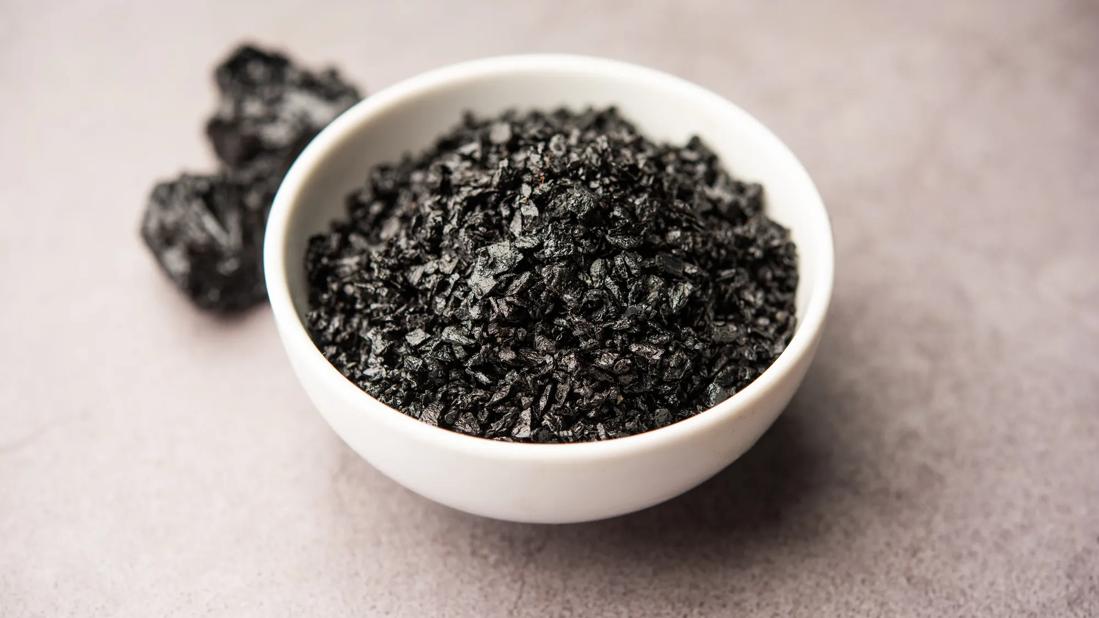
The high-altitude peaks of the Himalayas, Karakoram, and Altai mountains are home to a substance that is as mysterious as it is potent. Known as Shilajit, this thick, tar-like resin has been a cornerstone of mountain life for millennia. It is not merely a biological or geological curiosity; it is a cultural artifact that represents the survival, wisdom, and spiritual connection of the people who live in these extreme environments. For the inhabitants of these rugged terrains, Shilajit is often referred to as “the nectar of the gods” or the “conqueror of mountains.” Its formation, occurring over centuries through the slow decomposition of organic plant matter trapped within rock layers, is viewed by local communities as a gift from the Earth itself. To truly understand its value, one must look past the chemical analysis and delve into the deep-seated traditions that define its use. For those looking to experience this ancient legacy in its most authentic form, sourcing https://www.newphaseblends.com/product/pure-himalayan-shilajit/ allows a modern connection to a heritage that dates back to the dawn of Ayurvedic medicine. This substance is the lifeblood of the high peaks, carrying with it the stories of ancestors who thrived where others could not.
The Mythological Origins and Sacred Status of the Resin
In many mountain cultures, the origin of Shilajit is shrouded in myth and divinity. Ancient Hindu texts, including the Puranas, describe the substance as a sacred exudate that flows from the rocks of the mountains during the scorching heat of summer. It is often associated with Lord Shiva, the deity most closely linked to the Himalayas, and is believed to carry his transformative and regenerative energy. Because of this divine connection, the resin is treated with immense respect. It is not something to be taken lightly or harvested greedily. In remote villages, the arrival of the harvesting season is often marked by specific prayers and rituals intended to ask the mountains for permission to gather their “sweat.” This sacred status ensures that the substance is handled with purity and intention, preserving its perceived spiritual potency alongside its physical benefits.
Traditional Harvesting as a Rite of Passage
The process of gathering Shilajit is one of the most physically demanding and dangerous tasks undertaken by mountain dwellers. Found at altitudes between 1,000 and 5,000 meters, it often requires scaling sheer rock faces and navigating treacherous mountain passes. Because of the skill and bravery required, harvesting Shilajit is frequently viewed as a rite of passage for young men in these communities. It is a task that requires an intimate knowledge of the land—knowing which specific caves or crevices will yield the highest quality resin based on the color of the rock and the smell of the air. This knowledge is rarely written down; instead, it is whispered from father to son, creating a lineage of “mountain masters” who serve as the gatekeepers of this rare resource.
Shilajit in the Social Fabric of High-Altitude Villages
In the isolated pockets of the high Himalayas, medical facilities are often days away by foot. Consequently, Shilajit has historically served as the primary pharmacy for entire villages. Its cultural significance is embedded in the way it is shared among neighbors. If a community member falls ill, suffers from altitude sickness, or feels the creeping exhaustion of old age, it is common for elders to provide a small portion of their stored resin. This communal reliance on a single natural resource fosters a unique bond between the people and their environment. It creates a social structure where the health of the individual is tied to the bounty of the mountain, reinforcing a collective identity centered around resilience and mutual aid.
The Role of Women in Processing and Preservation
While the men often handle the dangerous work of harvesting, the women of the mountain communities play a vital role in the purification and preservation of Shilajit. Raw Shilajit is often filled with debris, such as sand, stones, and plant fibers. The traditional purification process involves a series of filtrations and slow sun-drying, which can take weeks to complete. This meticulous work is seen as a craft, and the quality of the final product is a point of pride for the household. In many cultures, the specific herbs or teas used to dissolve and filter the resin are part of family-specific recipes. This domestic involvement ensures that the cultural knowledge of Shilajit is not just a masculine pursuit of strength, but a holistic family tradition that values patience and precision.
Shilajit as a Symbol of Evolutionary Adaptation
Living at high altitudes presents significant physiological challenges, including hypoxia (oxygen deprivation) and extreme cold. Mountain communities have long recognized Shilajit as the key to their survival in these conditions. Culturally, it is viewed as a “balancer” that allows the human body to harmonize with the thin air. This has led to its reputation as a symbol of evolutionary strength. Stories are told of elderly mountain residents who can still outpace younger travelers from the lowlands, with their vitality often attributed to a lifelong habit of consuming Shilajit mixed with warm yak milk or honey. It is more than a supplement; it is seen as the catalyst that allows human life to persist where nature is at its most unforgiving.
Folk Medicine and the Oral History of Healing
The “materia medica” of mountain tribes is rich with oral histories concerning Shilajit. Healers, or Amchis in the Tibetan tradition, categorize the resin based on the types of rocks it exudes from—gold, silver, copper, or iron—each believed to have specific healing properties. This classification system reflects a sophisticated, albeit non-Western, understanding of mineralogy and its effects on human physiology. The oral history is filled with anecdotes of miraculous recoveries, from the mending of broken bones to the restoration of cognitive function in the elderly. These stories serve to reinforce the cultural authority of the elders and the traditional healers, keeping the history of the community alive through the lens of natural medicine.
Spiritual Practices and Meditation Enhancement
For the ascetics and monks who dwell in mountain monasteries, Shilajit holds a special place in spiritual practice. It is believed to clear the “nadis,” or energy channels, within the body, making it easier to achieve deep states of meditation. The physical energy provided by the resin is seen as a necessary foundation for the rigorous mental discipline required in Himalayan spiritual traditions. In this context, Shilajit is not just for the body, but for the soul. It is used to ground the practitioner, providing the physical stability needed to explore the heights of consciousness. This intersection of the physical and the spiritual is a hallmark of how mountain communities view the world, where there is no clear line between the health of the body and the clarity of the mind.
Economic Impact and the Preservation of Identity
As the global demand for natural wellness products has surged, Shilajit has become a significant economic driver for remote mountain regions. This has brought both opportunity and challenge. The income from Shilajit sales allows many families to maintain their traditional lifestyle rather than being forced to migrate to urban centers for work. However, there is a strong cultural push to ensure that commercialization does not strip the substance of its heritage. Many communities are working to establish cooperatives that prioritize sustainable harvesting and traditional purification methods. By doing so, they are not just selling a product; they are protecting their cultural identity and ensuring that the mountains are not over-exploited.
Environmental Stewardship and the Ethics of the Mountain
The relationship between mountain communities and Shilajit is fundamentally ethical. There is a deep-seated belief that if the mountains are mistreated, the “tears of the rock” will dry up. This leads to a natural form of environmental stewardship. Harvesters often leave behind portions of the resin to ensure the mountain “stays healthy,” and they strictly avoid areas that have been over-harvested. This ecological wisdom is a core part of the cultural significance of Shilajit. It teaches the community that their well-being is inextricably linked to the well-being of the Earth. In an era of global climate change, these traditional practices offer a profound lesson in how to live in balance with a changing landscape.
Conclusion
The cultural significance of Shilajit in mountain communities is a rich tapestry woven from threads of myth, survival, and deep ecological respect. It is a substance that defines the relationship between a people and their formidable homeland. To the mountain dweller, Shilajit is a reminder of their ancestors’ strength and a promise of health for their children. It bridges the gap between the geological timeline of the Earth and the brief span of human life, offering a sense of continuity and permanence. As the world outside the mountains begins to discover the benefits of this ancient resin, it is vital to remember the cultures that have protected and cherished it for centuries. Shilajit remains the “gold of the mountains,” a testament to the enduring power of nature and the resilient spirit of those who call the high peaks home.
