Fasting Doesn’t Always Mean Going Without Food
When the topic of fasting comes up, many people picture long periods without eating anything at all. This belief has been around for years, but modern nutrition research has introduced another perspective. Scientists have been exploring whether it is possible to support some of the body’s natural fasting responses while still consuming carefully planned meals.
This idea has led to growing interest in the Fasting Mimicking Diet (FMD). Rather than focusing on complete food restriction, this approach follows a short-term nutritional plan designed to imitate certain aspects of fasting. As more people become interested in evidence-based wellness strategies, fasting mimicking diets have become a frequent topic in health and nutrition discussions.
Instead of viewing fasting as an all-or-nothing practice, many individuals are now learning about structured alternatives that may be easier to incorporate into everyday life.
Understanding the Idea Behind a Fasting Mimicking Diet
A Fasting Mimicking Diet is a carefully designed eating program that typically lasts for several days. During this time, participants follow a meal plan created with specific nutritional goals in mind rather than simply reducing food intake at random.
The concept is based on research exploring how nutrition may influence some of the body’s natural responses associated with fasting. Instead of eliminating meals entirely, participants consume measured portions of selected foods that fit within the program’s design.
Unlike long-term diet plans, a fasting mimicking program is intended to be a temporary nutritional approach. Because the schedule is structured in advance, participants know what to eat each day without having to create their own meal plans or calculate nutritional values.
This organized format has made the concept appealing to people who prefer clear guidance over trial-and-error meal planning.
Why Has Interest in Fasting Mimicking Increased?
Over the past few years, conversations about fasting have expanded beyond traditional methods. Researchers continue to examine how different eating patterns may affect the body, encouraging greater public interest in nutrition-based wellness approaches.
However, traditional fasting can be challenging for many people. Busy work schedules, family commitments, and daily routines often make extended periods without food difficult to maintain.
A fasting mimicking approach offers a different option. Since meals remain part of the program, some people find it to be a more practical way to explore the concept of fasting without attempting complete food restriction.
The emphasis on preparation and structure is another reason these programs have attracted attention. Rather than deciding what to eat every day, participants simply follow a predefined schedule.
The Value of a Structured Nutrition Plan
One of the biggest advantages of a structured nutrition program is convenience. Planning specialized meals, purchasing ingredients, and measuring portions can take considerable time and effort.
With a fasting mimicking approach, much of that planning is already completed. Participants follow a step-by-step schedule that outlines what to consume each day, helping reduce uncertainty throughout the program.
This organized format can also make short-term nutrition plans feel more manageable. Knowing there is a clear beginning and end allows participants to approach the experience with realistic expectations.
Even so, no single nutrition program is right for everyone. Personal health goals, dietary preferences, and medical considerations should always be taken into account before making significant changes to eating habits.
A Well-Known Example of This Approach
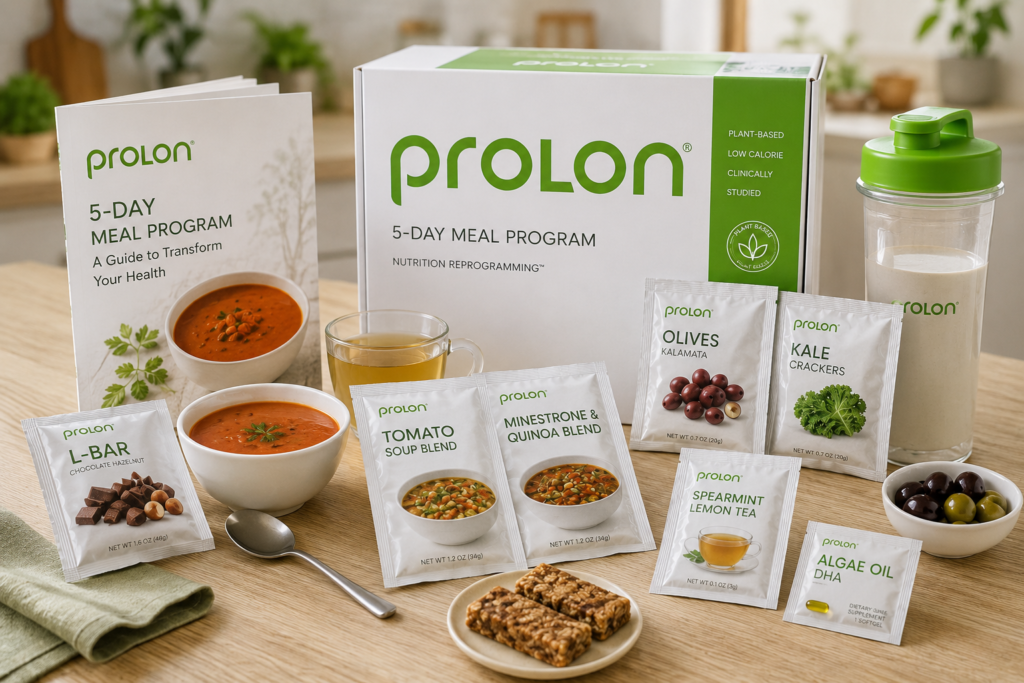
One of the most recognized programs built around the fasting mimicking concept is ProLon. Developed as a structured five-day nutrition program, it offers pre-portioned, plant-based meals along with clear daily guidance, making it easier for participants to follow the protocol without planning every meal themselves.
For readers interested in learning more about how the ProLon Fasting Mimicking Diet is designed and what the five-day program includes, the official website provides a detailed overview of its meal structure, daily schedule, and nutritional approach.
Having a ready-to-use meal kit also reduces the need for grocery shopping and meal preparation, allowing participants to focus on following the program rather than organizing every detail themselves.
What Can You Expect in a Five-Day Meal Kit?
One of the features that makes ProLon different from many self-planned nutrition programs is its ready-to-use format. Instead of asking participants to create their own recipes or estimate portion sizes, the program provides meals that are already organized according to a five-day schedule.
Each day’s package contains a variety of plant-based foods and beverages selected to match the nutritional design of the program. Since everything is prepared in advance, participants can simply follow the daily guide without spending extra time on shopping or meal preparation.
Depending on the day, the meal kit may include:
- Plant-based soups
- Nut-based snack bars
- Crackers
- Olives
- Herbal teas
- Beverage mixes
- Nutritional supplements
Having a clearly organized schedule can help reduce the uncertainty that often comes with trying a specialized nutrition plan for the first time.
Who May Find This Program Worth Exploring?
Different people are interested in fasting mimicking diets for different reasons. While no single program is suitable for everyone, some individuals may appreciate the convenience and structure that a five-day plan provides.
For example, busy professionals who have limited time to prepare meals may value a program with everything already planned. People who are curious about fasting but find traditional fasting difficult may also prefer learning about a structured alternative. Likewise, individuals looking for a short-term wellness routine with daily guidance may appreciate an organized approach rather than creating their own plan from scratch.
Ultimately, personal goals and health needs vary. Choosing a nutrition program should always be based on what best fits an individual’s lifestyle and circumstances.
A Balanced Perspective Matters
Whenever a nutrition program becomes popular, it is important to maintain realistic expectations. A fasting mimicking diet is not intended to be viewed as a quick fix, nor should it be expected to produce the same experience for every participant.
Many factors—including overall eating habits, physical activity, lifestyle, and personal health—can influence individual experiences. Because of these differences, results can vary from person to person.
Learning about the principles behind different nutrition strategies allows people to make more informed choices rather than relying on trends alone. A balanced approach is often the most practical way to evaluate whether a particular program aligns with personal wellness goals.
Learning Before Deciding
Before beginning any structured nutrition program, it can be helpful to understand how it is designed and what it involves. Reading reliable information, reviewing the meal structure, and considering personal health goals can provide a clearer picture of whether the approach is appropriate.
Programs like ProLon have introduced many people to the concept of a Fasting Mimicking Diet through an organized five-day format. For individuals who prefer clear daily guidance and pre-portioned meals, this type of structure may be easier to follow than creating a similar plan independently.
Conclusion
Interest in nutrition continues to grow as researchers explore different ways eating patterns may influence overall well-being. Among these approaches, the Fasting Mimicking Diet has become an area of increasing curiosity because it offers an alternative to traditional fasting while following a structured nutritional plan.
ProLon represents one example of how this concept has been developed into a convenient five-day program featuring ready-to-use, plant-based meal kits and daily guidance. Rather than focusing on dramatic claims, the program provides a structured way for people to learn about the fasting mimicking approach.
Whether or not you decide to explore a fasting mimicking program, understanding different nutrition strategies can help you make more informed decisions about your long-term health and lifestyle. Taking the time to compare options, evaluate reliable information, and choose an approach that matches your personal goals is an important step toward building sustainable wellness habits.
