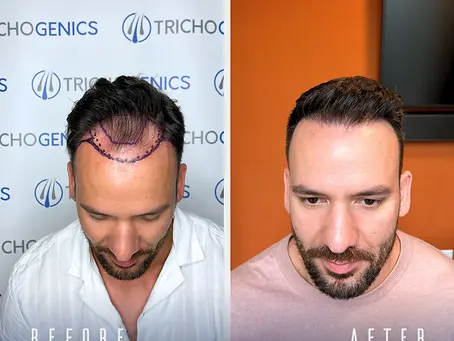
After a hair transplant, you need to take care of your scalp. This includes medical and practical steps. These steps help protect the transplanted grafts and support healing. It includes gentle washing, avoiding touching the scalp, limiting physical activity, and following your surgeon’s instructions carefully.
The first two weeks are critical because hair follicles are still securing blood supply and can be easily disturbed. Proper care reduces the risk of infection, minimizes swelling, and improves the chances of a successful hair transplant.
Understanding these basics helps set clear expectations before reviewing detailed recovery guidelines.
Key Takeaways
- Hair transplant after care is essential during the first two weeks because transplanted grafts are fragile and need protection to survive.
- Gentle washing, avoiding touching the scalp, and limiting physical activity reduce the risk of graft damage and infection.
- Shedding around one month post surgery is normal and part of the natural hair growth cycle, not a sign of failure.
- Full results take 9 to 12 months to appear, and long term scalp care helps maintain density and protect existing hair.
What Happens Right After a Hair Transplant Procedure
The first 24 to 72 hours focus on healing and protection. The transplanted area may look red and slightly swollen. Small scabs form around each graft. The donor area may feel sore or tight.
Your doctor will give written instructions for care after hair transplant surgery. Follow these instructions carefully. Avoid touching the scalp. The grafts need time to attach to the blood supply.
Sleeping with your head raised helps minimize swelling. Mild discomfort is normal and usually controlled with medication. These early steps are key in the hair transplant recovery process.
The First 7 Days – Protecting the Transplanted Area
The first week is about protection. Transplanted grafts are delicate. Touching or rubbing can damage them. Proper aftercare after hair transplant improves graft survival.
During this week:
- Sleep on your back with your head elevated
- Avoid touching or scratching
- Stay out of direct sun
- Avoid intense physical activity
Itching may happen, but do not scratch. Let scabs fall off naturally. Good habits now protect newly transplanted hair.
Washing Your Hair Safely
Many patients worry about washing your hair after surgery. Most doctors allow washing after a few days, but you must be gentle. Do not rub or scrub the transplanted area.
A safe washing method includes:
- Use diluted shampoo
- Gently wash with light tapping motions
- Rinse with low water pressure
- Pat dry with a soft towel
Hair transplant surgery recoverywashing your hair correctly protects healing skin. Always gently wash. Strong water pressure can harm transplanted grafts.
Managing Swelling and Discomfort
Swelling often appears between day two and five. It may move down to the forehead. This is normal and temporary. Keep your head raised to minimize swelling.
Do not place ice directly on the transplanted area. Mild pain in the donor area is common. Medication usually controls it well.
Call your doctor if pain becomes severe. Early care helps prevent infections. Most discomfort improves within a few days.
Physical Activity Restrictions
Avoid heavy physical activity for at least one to two weeks. Exercise raises blood pressure. This can increase bleeding and swelling.
Do not:
- Lift heavy weights
- Run or do intense workouts
- Swim in pools or oceans
- Use saunas or steam rooms
Light walking is usually fine. Always follow medical advice during the hair transplant surgery recovery phase.
The Hair Growth Cycle After Surgery
Hair growth takes time. Around one month post surgery, newly transplanted hair often sheds. This is normal. It is part of the hair growth cycle.
Shedding does not mean failure. The hair follicles remain alive under the skin. New growth usually starts around month three or four.
The hair transplant recovery process requires patience. Visible change builds slowly.
Month by Month Timeline
Recovery follows a pattern. Results do not appear overnight.
- 1 month post – shedding phase
- 3 to 4 months – early regrowth
- 6 months – thicker appearance
- 9 to 12 months – clear improvement
- 12 to 18 months – full results
Each patient heals at a different pace. Genetics and age affect growth speed. Most patients see strong improvement within one year.
Caring for the Donor Area
The donor area is where healthy hair follicles were removed during the hair transplant procedure.
This area may feel tight, sore, or slightly numb for several days. Small scabs will form and usually fall off within 7 to 10 days. Proper care helps reduce discomfort and lowers the risk of infection.
Keep the donor area clean and follow your surgeon’s washing instructions carefully. Avoid scratching or picking at scabs, even if itching occurs.
Mild redness is normal, but it should slowly improve over the next few weeks. If symptoms worsen instead of improving, contact your doctor.
To properly care for the donor area:
- Gently wash as instructed once approved by your surgeon
- Avoid tight hats or anything that rubs against the back of the scalp
- Do not shave the area too early unless cleared by your doctor
- Sleep with your head slightly elevated during the first few nights
- Watch for signs of infection such as increased swelling, warmth, or discharge
Most donor areas heal well with basic care. Following these steps supports smooth recovery and protects the overall outcome of your hair transplant.
Common Mistakes to Avoid
Mistakes can affect your outcome. Avoid these common problems:
- Scratching scabs
- Wearing tight caps too early
- Returning to heavy physical activity too soon
- Ignoring follow up visits
These actions can damage transplanted grafts. Careful behavior protects your investment.
When to Call Your Doctor
Most symptoms are mild. Redness and light swelling are expected. Mild discomfort in the donor area is normal.
Call your doctor if you notice:
- Spreading redness
- Pus or unusual discharge
- Fever
- Ongoing bleeding
Quick medical care helps prevent infections. Early action protects healing hair follicles.
Long Term Hair Health
Long term hair health is an important part of hair transplant after care. A transplant moves healthy hair follicles, but it does not stop future hair loss in untreated areas.
Native hair may continue to thin over time based on genetics and age. Protecting both transplanted and existing hair helps maintain natural density.
Many patients seeking the best hair restoration in NYC choose a comprehensive plan that combines surgery with long term medical management.
A hair transplant procedure restores density in selected areas, but surrounding hair may still be vulnerable.
Doctors may recommend medical therapy to help stabilize ongoing thinning. This combined approach supports balance between transplanted grafts and native hair.
Follow up visits are important to monitor progress during the hair transplant recovery process. Your doctor can assess growth patterns and adjust treatment if needed.
Early support helps preserve results and maintain healthy scalp conditions. Consistent monitoring increases long term stability.
Daily habits also affect long term outcomes. Eat a balanced diet rich in protein and essential nutrients to support hair follicles.
Avoid smoking and manage stress when possible. Long term care helps protect newly transplanted hair and supports stronger full results over time.
Protecting Newly Transplanted Hair
Protecting newly transplanted hair is critical during the first few weeks after surgery. Transplanted grafts are secure under the skin, but they are still sensitive to pressure, friction, and trauma.
Even small mistakes, such as rubbing the scalp or wearing tight hats, can disturb healing. Careful handling supports graft survival and helps ensure a successful hair transplant.
Avoid direct sun exposure during the early phase of the hair transplant recovery process. Strong UV rays can irritate the scalp and delay healing.
If you must go outside, wear a loose fitting hat only if your surgeon approves it. Sun protection becomes less restrictive after the initial healing period.
Be gentle during hair care routines. Always gently wash using low water pressure and mild shampoo once cleared to do so.
Avoid strong styling products, hair dryers on high heat, or chemical treatments in the early weeks. These steps help properly care for both the transplanted area and surrounding scalp.
You should also avoid activities that increase sweating or friction on the scalp. Intense physical activity, helmets, and tight headwear can irritate healing tissue.
Let scabs fall off naturally without picking. Following post hair transplant care guidelines reduces the risk of complications and supports steady regrowth.
As the hair transplant surgery recovery continues, the grafts become stronger. Around one month post surgery, shedding of newly transplanted hair is normal and part of the hair growth cycle. This stage does not mean failure.
Continued protection and patience allow hair follicles to enter a new growth phase and gradually produce thicker hair over time.
Understanding Final Results
Full results take time. Hair grows in cycles. Density improves gradually over many months.
Most patients see major change between 9 and 12 months. Some continue to improve until 18 months. Patience is part of the process.
Hair transplant after care plays a major role in outcome. When patients properly care for their scalp, graft survival improves. Careful healing supports natural, lasting results.
