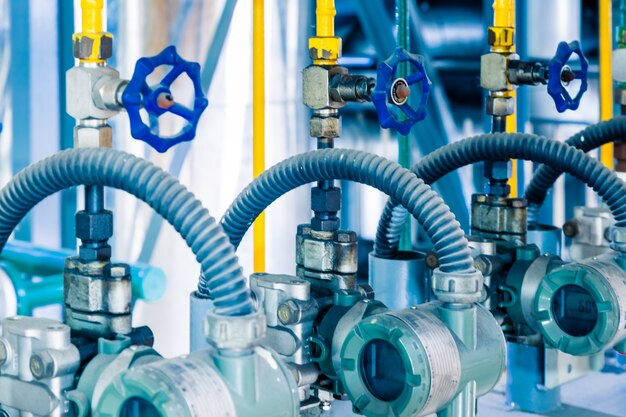
Most owners and operators of hydraulic equipment understand that they need quality hydraulic parts. What they don’t prepare for is the fact that not only can the quality be high, but the components can destroy a system still if they’re not compatible. It’s one of those things that should’ve been easy to avoid, but in hindsight, sounds so easy, but ends up causing expensive frustration all the time.
It’s understandable why people think it will work. I buy good parts. I install them correctly. What could possibly go wrong? Yet hydraulic systems are more sensitive than that. They’re sensitive to pressure ratings, flow rates, types of fluids and even the materials that comprise different components. When what should be compatible elements fail to work cohesively, they all suffer and often suffer greatly.
When Good Parts Create Bad Results
Here’s the thing. Someone needs to replace a hydraulic pump. They find one reasonably priced with similar specs. It’s a good pump, high-quality construction and it could work well in a good application. But if the pressure rating is slightly higher than what the rest of the system was designed for, it’s going to damage seals, create tension in hoses, and affect connections upstream and downstream, creating leaks across a network. The pump is not faulty; it’s just not the right part for the job.
The same goes for valves, cylinders, filters and more. These parts are high-quality manufactured, but they still cause issues because they’re not compatible with existing systems requirements. For those operations that have one vehicle or machine, this is unfortunate and frustrating; for those operations that rely on multiple vehicles or machines, it’s even worse. That’s why utilizing specialists like Heavy Hydraulics helps source parts that are actually suited to an application instead of a generic offering.
Temperature tolerance is another component that proves to be too little recognized too late. Hydraulic fluid responds to temperature, specifically its viscosity, and different parts accommodate this response to different degrees, if at all. Mixing these parts may operate well together at a moderate temperature but fail when it’s excessively hot or cold due to how they were designed to work under variable conditions.
The Fluid Factor Nobody Thinks About
Most people think about the parts themselves and forget about what runs through them. Fluid compatibility for hydraulics is massive. Different fluids have different additives, viscosity and chemical properties. Certain components have seals and gaskets designed to make them work with certain types of fluids, put the wrong fluid in and those seals decay.
It gets tricky when replacing parts. Maybe the new component requires another type of fluid specification entirely from what was originally set up for the rest of the system. Now one must either (1) use the new fluid which will probably damage some of the old parts already present or (2) stay with what’s already there and potentially ruin the new part. Neither option is good; that’s why when systems are checked for compatibility and proper installation prior to purchase part replacement becomes easier.
Even simple things like using different brands of like fluid types can pose risks. The additive packages react with themselves or existing residue from before. It sounds paranoid, but chemical incompatibilities cause foaming, deposits and premature wear that wouldn’t exist if it was just one type of fluid.
Pressure and Flow Mismatches Create Cascading Problems
Pressure ratings are not guidelines; they’re limitations. A component rated for 3000 PSI will not magically withstand 3500 PSI because it’s a good piece of equipment; it will fail, and oftentimes in failing, it damages other components nearby in the process as well. The initial failure sends pressure spikes through the system, contamination finds its way upstream and most times broken pieces get added to the mess.
Flow rate is equally as important but gets less drama attached to it, and mostly because it makes its detrimental impact known over time. Install a pump that pumps too much fluid than a control valve can manage; the control valve becomes a bottleneck, and pressure builds up unexpectedly in areas where it’s not needed or supposed to happen. It may not fail right away, but it’s working harder than necessary and prematurely burning itself out.
The opposite creates problems as well, undersized pumps or restricted flow of components means that they don’t get the volume they need to actuate properly. Response times increase, output values drop and operators start working harder and harder to create output value which adds stress to more components.
The Mounting and Connection Details That Trip People Up
Compatibility isn’t just about hydraulic specs; it’s about physical presence too. Bolt patterns, port sizes, mounting orientation determine whether or not a part can be installed properly in the first place (or at all). Sometimes it can fit physically but slightly in a different space which changes hose routing or adds tension/stress on connections.
Thread types are a common area where mistakes are made all too often as well. NPT, BSPP, BSPT, metric, all look similar, but they don’t seal similarly either. Force them together and they might hold temporarily, but they’ll leak over time, and that leak comes with contamination or ends up being small but progressively worse.
Hoses and fittings go beyond just thread types as well, pressure rating for endurance, bend radius, length and end fittings all need to correspond with each other for effective operation and longevity. If a hose is even one quarter inch too short there’s stress on connections; if it’s too long it kinks or rubs wrong on other materials around it, not catastrophic failures, just failures, nonetheless.
Getting it Right From The Start
There shouldn’t be any complications, all it takes is some more thought before replacement is necessary at all. If someone knows every specification from their existing system, including pressure rating limitations, flow requirements, fluid type, operating temperatures and dimensions from physical parts, then it’s easy to either match components or know they won’t match ahead of time.
It’s utilizing suppliers who understand hydraulic systems that prevent part compatibility issues from ever happening from the start; generic sources might have similar looking outlets, but they can’t provide technical assistance that holds all parts together, as specialists can implore substitutes that meet properly or discern feasibility before anything gets installed.
Documentation helps ease replacement after it’s already done as well. Keeping papers on what exists in each hydraulic system, component part numbers and specifications, means compatibility checking is simple down the road instead of starting from scratch every single time. It’s tedious administrative work that prevents costly mistakes.
